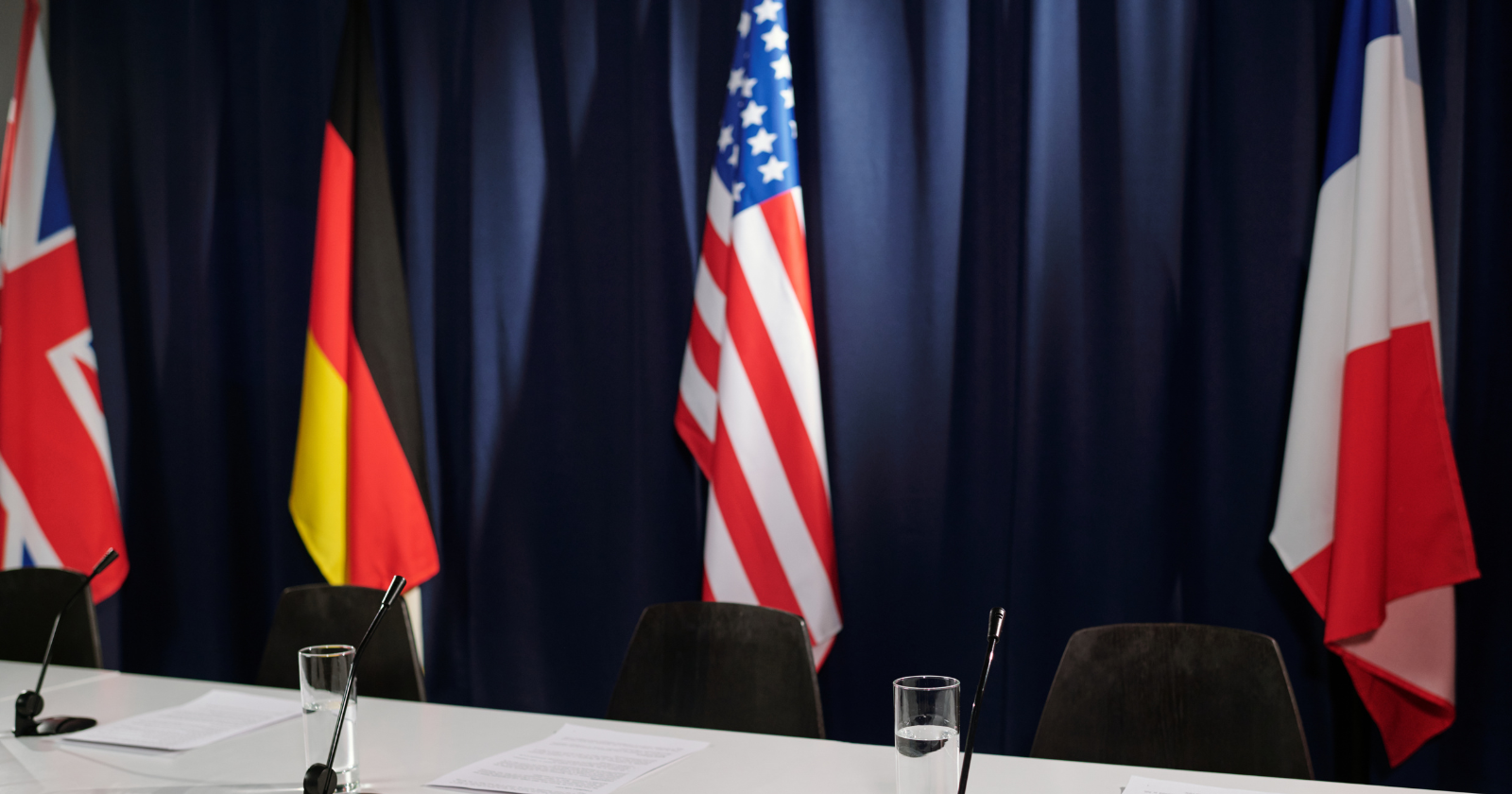
“Bibi needed to be more responsible.” That was Donald Trump at the G7, telling reporters that Israel had been fighting Hezbollah for too long, with too many casualties, and that the Israeli prime minister had to rein it in.
The rebuke was unusual in its directness. It was also, by Trump’s own account, the public version of a private message he had already delivered.
What set him off was timing. An Israeli strike on Beirut had landed, according to Trump, roughly two hours before the scheduled signing of a US-Iran memorandum of understanding. Trump said he disliked the timing and had communicated as much directly to the Israeli government.
The proximate trigger: a strike two hours before signing
Asked whether the US-Iran deal could survive further Israeli operations in Lebanon, Trump indicated confidence in the deal’s resilience. He then ranked the conflicts in plain language, describing Hezbollah as a lesser concern compared to the broader Iran question.
Then he changed the subject to Syria.
What is actually being signed in Geneva
The memorandum of understanding between Washington and Tehran is scheduled for formal signing in Geneva on Friday, after which both parties enter a 60-day window to negotiate a final agreement. Trump framed the deal as a non-proliferation instrument. He issued warnings against Iranian weaponisation. Iranian officials have consistently maintained that the country’s nuclear programme is oriented toward civilian energy.
Trump also signalled confidence in his counterparts in Tehran, stating that Iran now has rational leadership after earlier US and Israeli strikes killed a number of senior Iranian officials in the opening phase of the war.
A reported phone call described as “crazy”
The public rebuke followed a private one. Trump confirmed reports that he had expressed strong frustration with Netanyahu during a phone call on Monday. He softened the framing afterwards, saying he was “a little bit perturbed” by Netanyahu’s “constantly fighting with Lebanon,” while reiterating that he likes the Israeli prime minister and works well with him.
Tehran had responded to the Israeli strikes by threatening to suspend talks with Washington. That move would have collapsed not only the nuclear track but also the parallel question of reopening the Strait of Hormuz, through which a significant share of global seaborne oil transits.
The structural divergence between Washington and Jerusalem
The two governments still align on the headline objective: preventing Iran from acquiring a nuclear weapon. The divergence is on Lebanon. Israel has continued to target Hezbollah even as US-Iran negotiations proceed, while Iran has insisted that any durable ceasefire must extend to Lebanon. Trump’s suggestion that Syria should take care of Hezbollah is a striking reordering of regional security responsibilities. It indicates how far Washington is willing to recalibrate the map to protect the Iran track.
The domestic backdrop reinforces the shift. Public sentiment toward Israel has moved, with recent polling indicating increased skepticism among Americans, and there is now mounting political pressure to create daylight between Washington and Jerusalem on Lebanon and Gaza.
Why the hierarchy of conflicts matters
Trump’s framing — Iran as the primary concern, Hezbollah as a secondary issue — is the operative signal for markets, energy traders, and regional capitals. It tells them which front Washington will spend political capital protecting and which it will treat as tolerable noise.
But can any US president actually impose that hierarchy on an Israeli government that has, across multiple US administrations, set its own operational tempo regardless of White House preference? Friday’s signing in Geneva opens a 60-day window to find out. Has anything in the historical record suggested the answer will be yes?