Work & Money
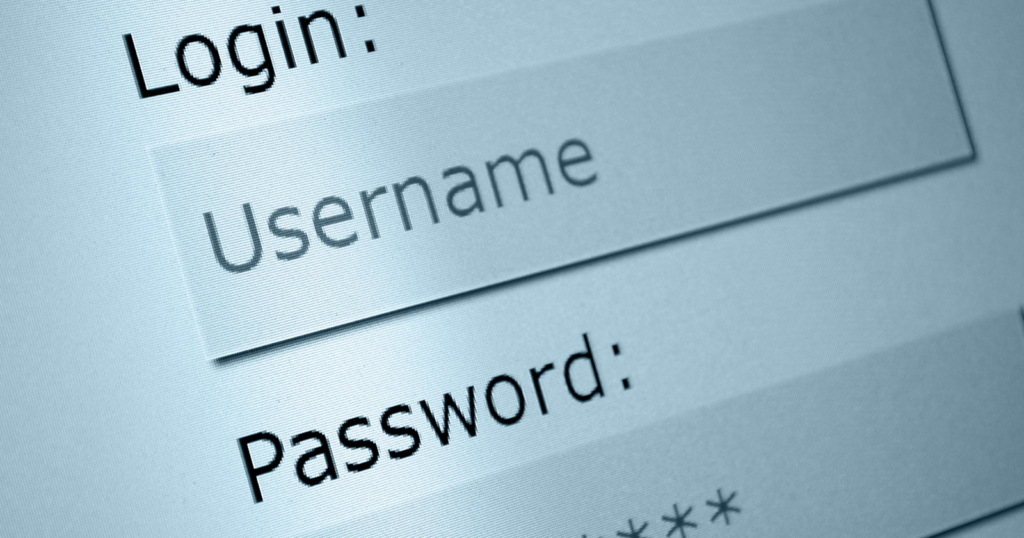
Most people reuse the same passwords across dozens of websites
Most people protect their digital lives with a handful of passwords they've memorized—a security practice so common it's become catastrophic.

Technology & Power · Work & Money
In publication order

Estonia ranks second in the cited per-capita tally—and first in the EU—with about 7.1 startups that have reached a billion-dollar valuation per million residents.
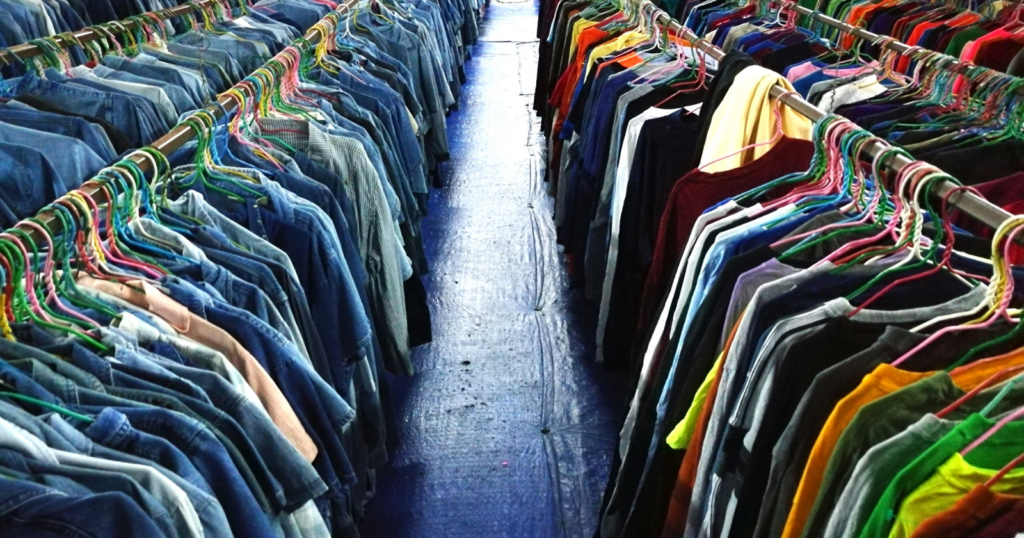
A Lithuanian clothing-swap site born from one woman’s move became a major European secondhand marketplace, moving billions in goods and building a large delivery-partner network.

Rapidly changing feed content may increase task switching and decision-making, which can make scrolling feel mentally tiring.
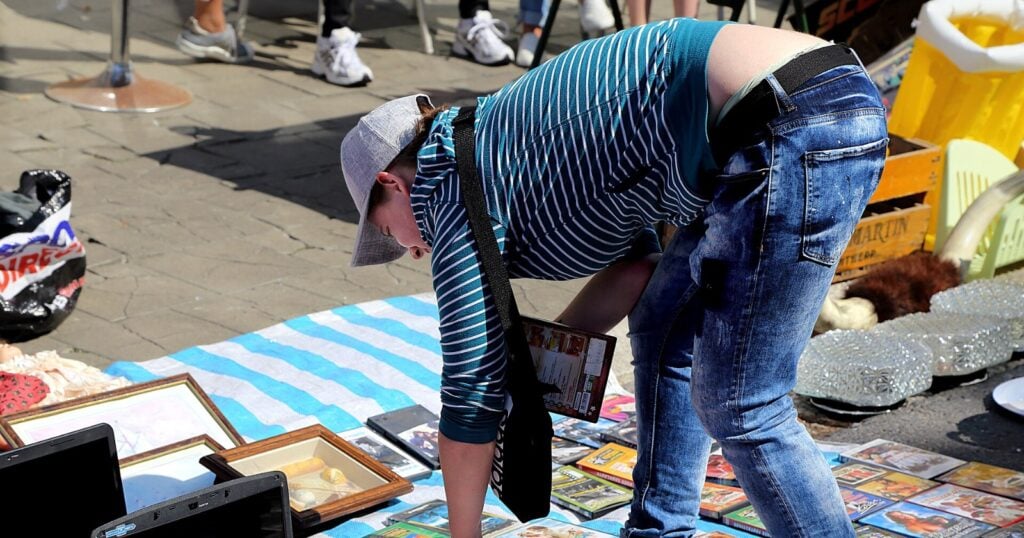
Across five studies of secondhand-market haggling, sellers were often more candid than buyers expected. Three minutes of small talk before the haggling narrowed the gap, and so did asking buyers to think about the seller's conscience first.

When work becomes your only mirror, you lose the ability to recognize when enough is enough.

The program that New York bet could untangle Manhattan traffic is delivering fewer vehicles, modestly faster buses, and revenue for transit projects; first-year studies did not find a clear air-quality effect.
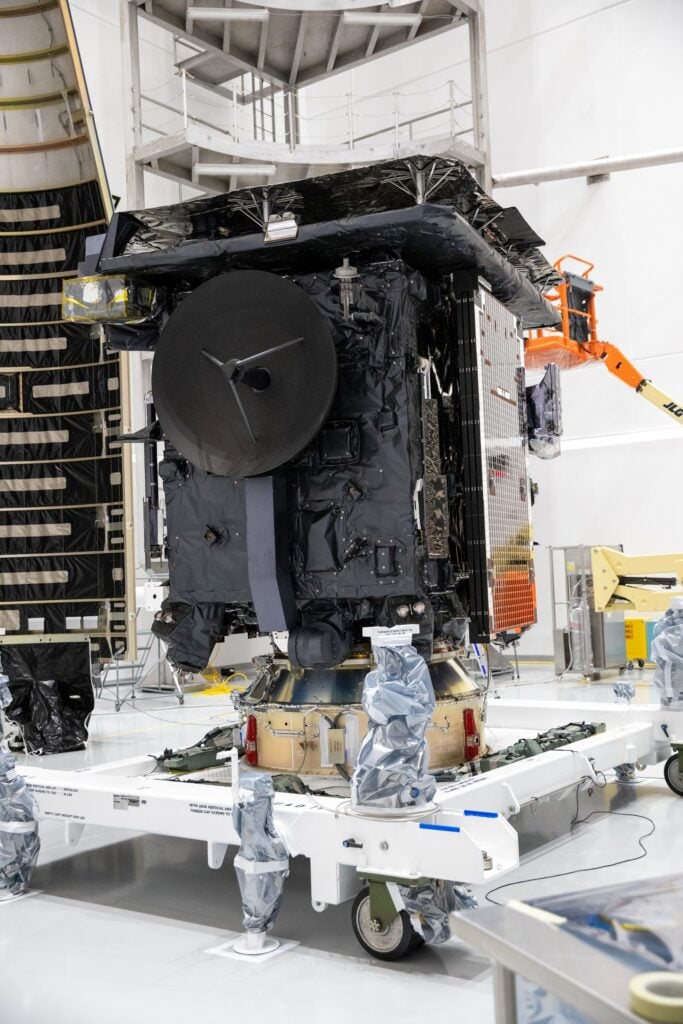
By turning thousands of solar flares into calibration targets, scientists discovered their X-ray telescope has been systematically underestimating the sun's most violent eruptions.

Two relationship researchers followed 136 couples through a single November, asking both partners every Sunday how often they had discussed money and how well it had gone. Conversation quality showed a link to how satisfied each partner felt at the end of the month. Frequency showed no such link. The study was not preregistered, and its authors call the analyses exploratory.
The editorial map
Technology, AI, capital and institutions, examined through who builds systems, who controls them and who benefits.
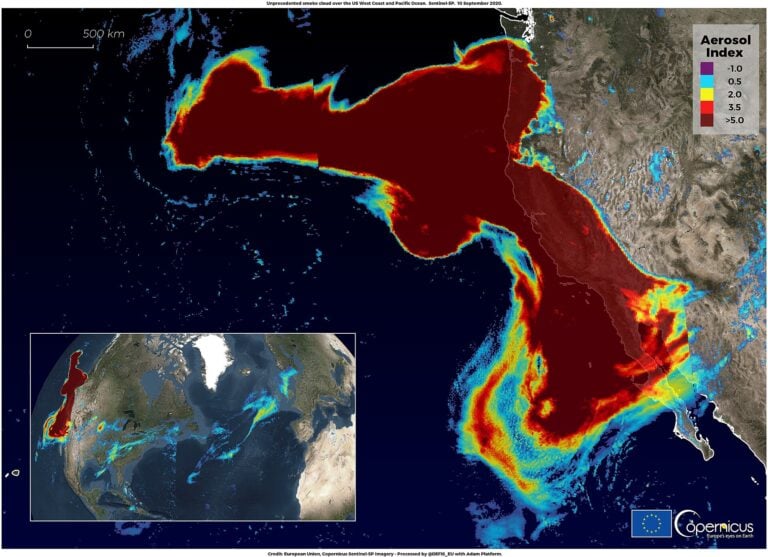
Forests are dying faster than we can see them—but a pollution-tracking satellite is catching the collapse two years early.
Work, careers, companies and money: how organisations, incentives and markets shape the way people work, earn and decide.

When work won't leave your mind at dinner, it may not be ambition talking—it's a deeper need to prove your worth through constant availability.
The hidden machinery of money and power — the secret owners, staggering fortunes, and frauds behind the companies and institutions you think you know. Every film is built on court records, regulator filings, and original investigative reporting.
Editorial columns
Technology

Gravis says its retrofit kits deliver "up to a 30% boost" against peak manual operation. It also told Inc. the machines have delivered "about 30 percent on multiple projects" against human-operated equipment. The specialist Inc. asked wants to know what was measured.
Politics
Two economists contracted by the ERC's own executive agency compared how a single proposal was scored by reviewers who matched the applicant and reviewers who did not. Sharing both citizenship and country of work moved the first-stage project score by 0.164 of a point on a five-point scale. The link to actual funding decisions is weaker, and correlational.
Work & Money
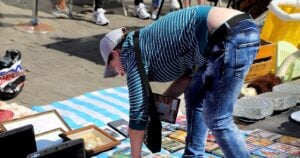
Across five studies of secondhand-market haggling, sellers were often more candid than buyers expected. Three minutes of small talk before the haggling narrowed the gap, and so did asking buyers to think about the seller's conscience first.
Free field brief
How money, ownership, and power actually move behind the companies you think you know. Built for people who watch our documentaries. Sundays you also get The Undercurrent.