
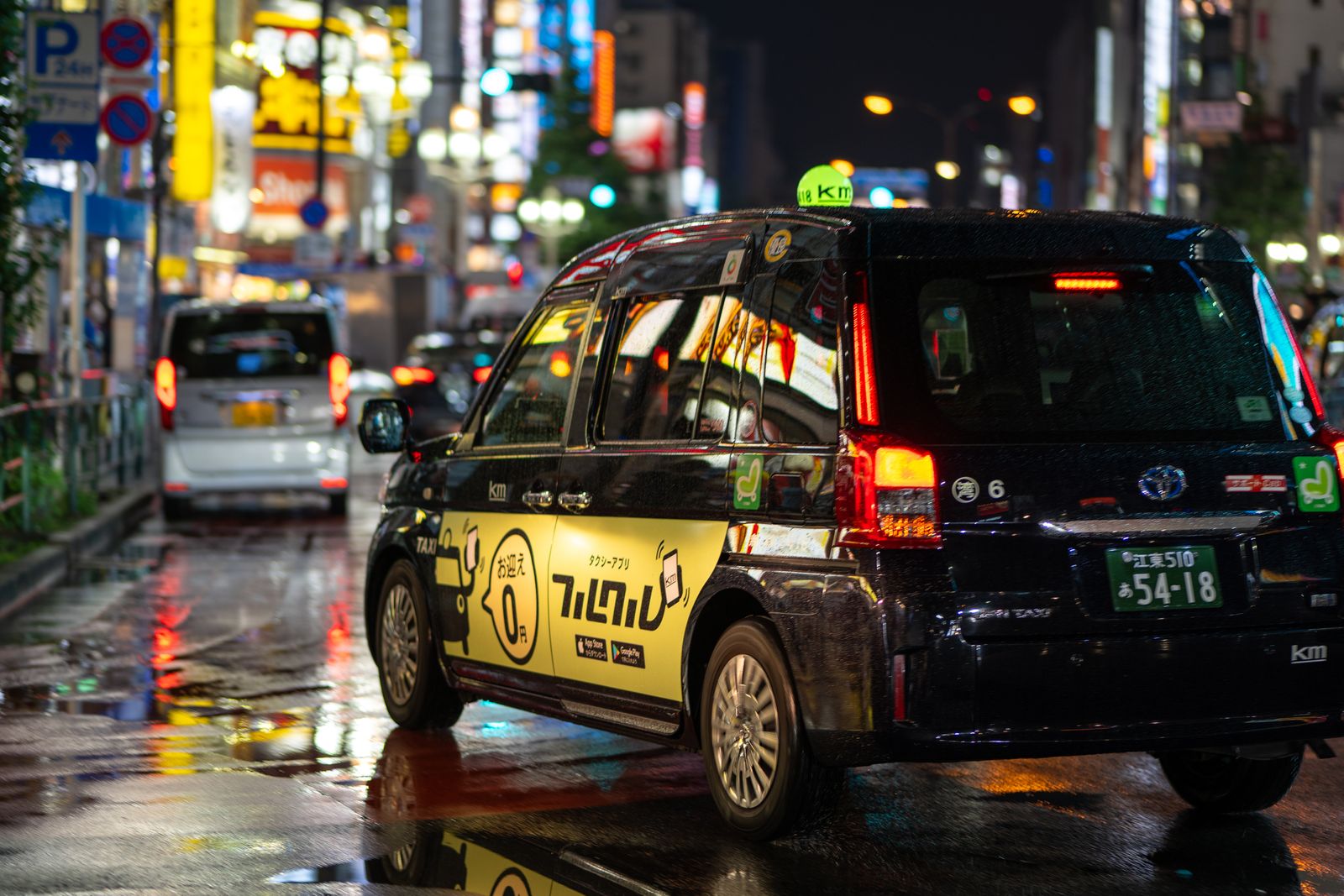
Japan’s largest ride-hailing app, Go, raised ¥88.6 billion ($553 million) in its Tokyo Stock Exchange debut on Tuesday, making it the country’s biggest IPO of 2026. As reported by TechCrunch, the company plans to deploy the proceeds into robotaxi research and strategic acquisitions, positioning itself as the consolidator of a Japanese taxi sector buckling under a demographic crisis.
The deal and the money behind it
Go priced its IPO at ¥2,400 per share, with the stock closing at ¥2,314 by Friday, down roughly 4% from the offering price. The listing drew BlackRock, Wellington Management, and M&G Investment Management onto the cap table, a notable concentration of global institutional capital in what TechCrunch describes as one of Japan’s quietest listing seasons. Tokyo’s IPO market has been thin enough that the Japanese government has been actively encouraging startups to pursue acquisitions over public listings.
According to a company spokesperson cited by TechCrunch, Go intends to direct proceeds toward research and development related to robotaxis and toward strategic mergers and acquisitions inside and outside the taxi industry.
A demographic problem dressed as a technology bet
Go’s robotaxi pivot is not a Silicon Valley-style growth narrative. It is a response to a structural shortage. The taxi driver workforce in Japan has shrunk in recent years, driven by an aging workforce that demographics make effectively irreversible.
The pressure is already showing up in corporate failures. A record 82 Japanese taxi companies collapsed in 2024 according to Teikoku Data Bank, with more than 40% of outright bankruptcies tied directly to driver shortages. Ride-share services launched in Japan in 2024, but remain geographically restricted and require drivers to be employed by licensed taxi companies, preserving the incumbent structure while doing little to close the supply gap.
Go’s market position
Founded in 1977 as a traditional taxi operator, Go now runs Japan’s largest ride-hailing platform, with 35 million downloads, 85,000 partner vehicles, and an 80% share of the taxi app market by usage time, covering 46 of Japan’s 47 prefectures. That dominance gives Go the network position that any autonomous operator entering Japan will eventually need.
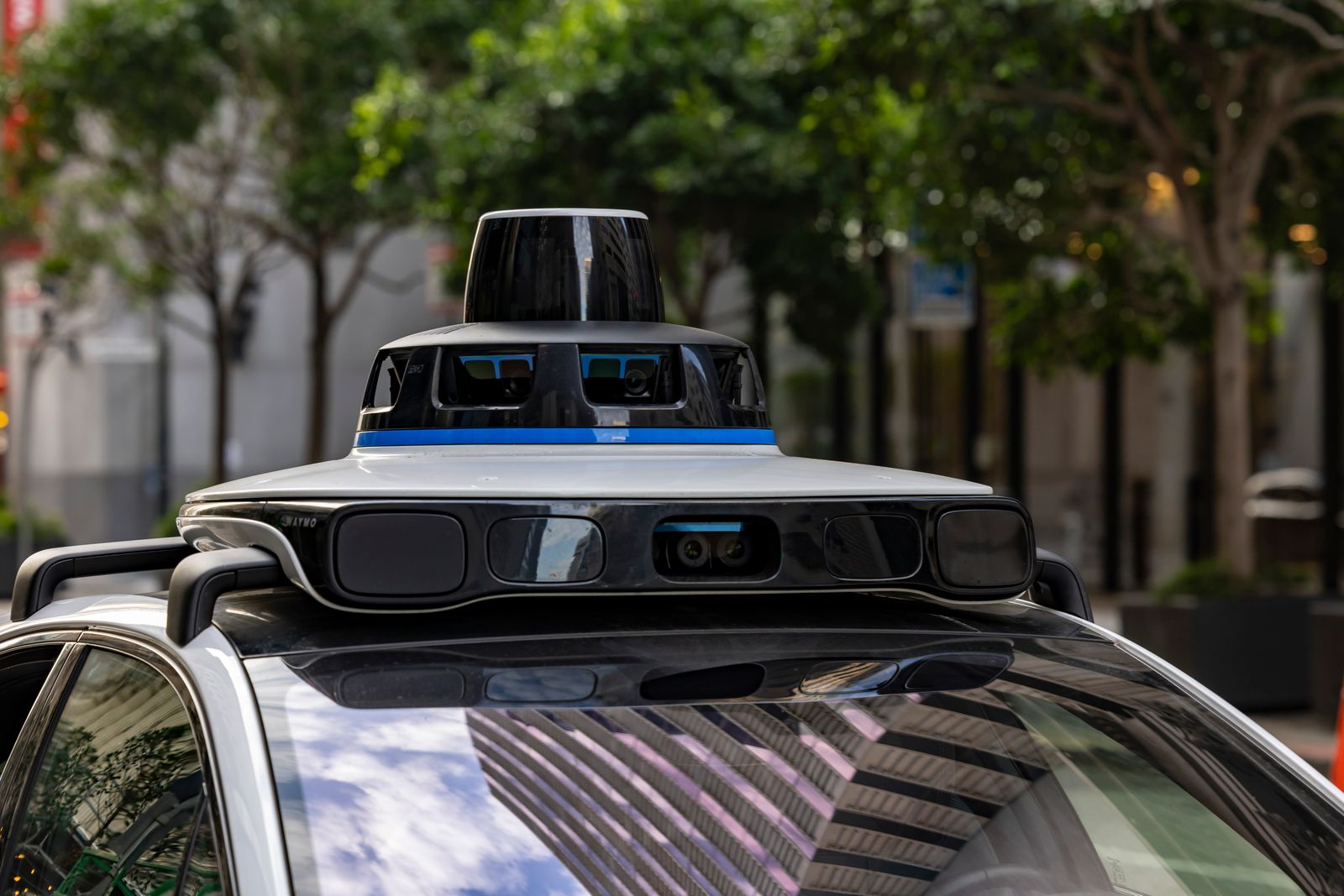
Go does not intend to build the autonomy stack itself. The company has partnered with Waymo, Alphabet’s autonomous driving subsidiary, alongside Nihon Kotsu, one of Japan’s largest taxi operators, with Go serving as strategic coordinator. CEO Hiroshi Nakajima has stated that Go will not invest in autonomous driving systems directly. According to the company spokesperson cited by TechCrunch, Go plans to begin fully driverless operation once its technology is validated and regulatory approval is received. No timeline has been disclosed.
The competitive map in Tokyo
Go is not alone in the Japanese autonomous race. In March, Uber, Wayve, and Nissan announced plans to pilot robotaxi services in Tokyo by late 2026, using Nissan Leaf electric vehicles powered by Wayve’s AI Driver and bookable through the Uber app. It marks Uber’s first autonomous vehicle partnership in Japan. Didi Mobility Japan holds a parallel position in the market.
While the autonomous future plays out, Go is layering payment integrations onto its existing business. Partnerships with Kakao T, Alipay, and WeChat Pay let inbound travelers from South Korea, China, and Taiwan hail Go-affiliated taxis directly from their home apps.
What the IPO signals
Place the facts side by side. A government nudging startups away from public markets. A taxi sector logging record bankruptcies. A demographic decline that no immigration or labour policy is currently designed to reverse. And $553 million flowing into the one operator with the network density and regulatory relationships to consolidate what remains. Go’s IPO is less a vote of confidence in robotaxis as a technology than a bet on which company will be standing when Japan’s taxi industry finishes contracting — and which platform global autonomy providers will need to plug into when they arrive.