A 35-year-old founder named Conno Christou, with near-perfect biomarkers, four consecutive years of optimised bloodwork, and a Whoop band that tracked his sleep against an Oura ring, discovered a tumour the size of a fist behind his sternum — not through any of his tracking, but by accident. The story of how he then used Anthropic’s Claude to interrogate his own oncology, recounted this week in TechCrunch, is also a story about the structural limits of standard medical protocols when a patient’s condition is rare enough that most specialists will see it once a year.
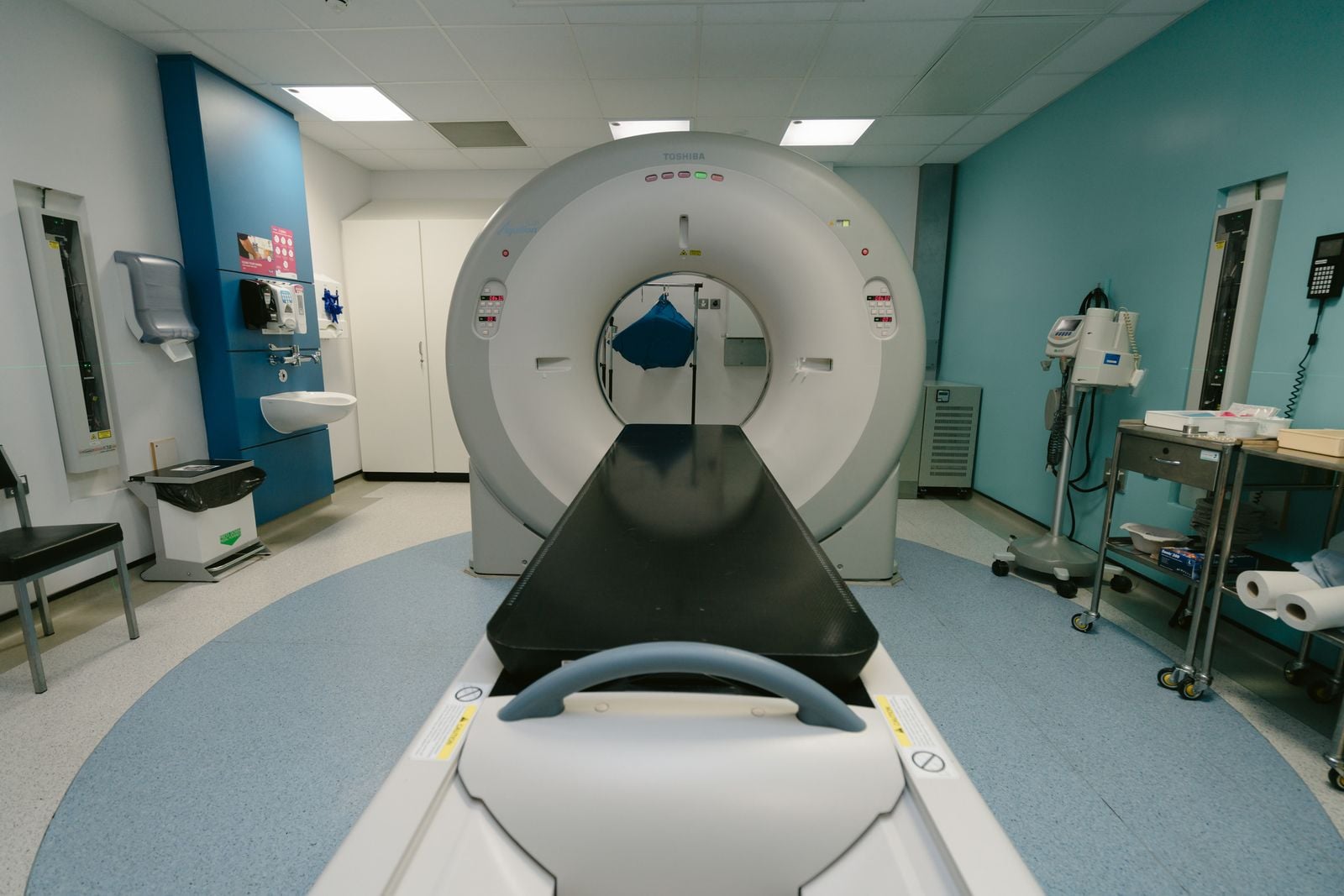
An incidental finding
Christou, who had built the medical-automation startup Keragon before his diagnosis, was following the longevity protocols popularised by researchers like Peter Attia and Rhonda Patrick. His 2025 checkup was, by his account, the best in years. A swollen arm after a workout led to a clot diagnosis and a pre-operative scan that revealed an 11-by-11-by-8 centimetre mass. The pathology came back as an aggressive non-Hodgkin’s lymphoma driven by a random genetic mutation unrelated to lifestyle, affecting roughly one in 420,000 people.
The tumour was roughly three months old. Within three weeks, according to his physicians, it would have reached stage four.
Twelve opinions, two protocols
The first oncologist recommended the lighter of two chemotherapy regimens. The second, consulted the night before the first scheduled infusion, recommended the harder one, citing roughly 60% versus 85% success rates for his specific pathology. Over the next two days he gathered ten more opinions from haematologists and oncologists across the US and Europe. The final tally: 11 to 1 in favour of the aggressive protocol. He took it.
The episode illustrates a structural reality of modern oncology. Treatment recommendations for rare presentations are not standardised in the way patients tend to assume. They reflect the individual clinician’s training, recent caseload, and institutional defaults. For a disease an oncologist sees once a year, the variance between expert opinions is not noise. It is the system, and patients who accept the first recommendation are often accepting a coin flip dressed up as a protocol.
What the chatbot did
Christou fed his blood panels, scan data, wearable output, and a voice-transcribed symptom journal into Claude throughout treatment. He is part of a much larger cohort: a KFF tracking poll published in March found that about a third of US adults now turn to AI chatbots for health information and advice.
Clinical experts continue to warn against over-reliance. Danielle Bitterman, clinical lead for data science and AI at Mass General Brigham, has told the New York Times that general-purpose chatbots are frequently wrong and have not been thoroughly evaluated for personalised diagnoses. Christou does not dispute the framing, describing the tool as something that helped him ask better questions rather than replace his physicians.
The PET scan that wasn’t
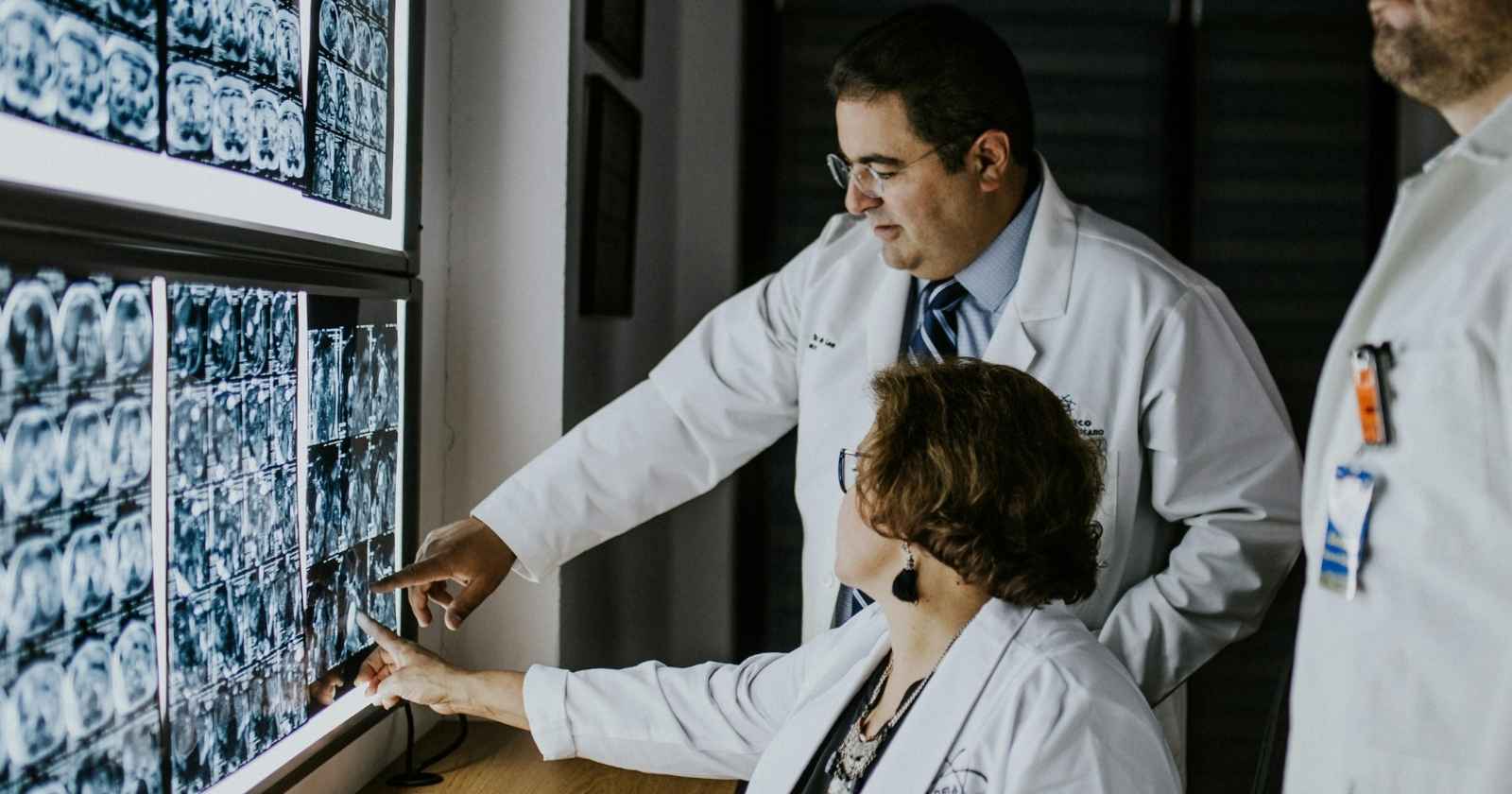
The decisive moment came at the end of six cycles. His final PET scan, the imaging used to confirm remission, came back ambiguous. His oncologist began discussing a second-line therapy: radiotherapy near the heart and lungs.
Christou fed all three of his PET scans and his MRI into Claude. The model flagged a known but easily overlooked phenomenon: in patients under 40 recovering from this lymphoma subtype, the thymus gland can reactivate post-chemotherapy and appear on imaging as active disease. Given his age and scan characteristics, the model put the probability of thymus rebound at roughly 90%. He sought three more specialist opinions; the fourth doctor confirmed it. No radiotherapy was administered.
The asymmetry of informed patients
The case sits at an uncomfortable intersection. The same general-purpose models that clinicians warn against, accurately, for unsupervised diagnosis are also, in the hands of a sufficiently informed patient with access to twelve specialists, surfacing literature that frontline oncologists miss. Anecdotal accounts of similar outcomes are accumulating in places like the r/ClaudeAI subreddit, where patients describe using chatbots to reach diagnoses that years of specialist visits did not.
What the case does not resolve is the distributional question. Christou had the network to gather twelve opinions in 48 hours, the technical literacy to structure prompts against his own scans, and the means to act on the answers. Many patients are reaching for the same tools without those advantages, and the clinical infrastructure for validating, auditing, and integrating that usage into formal care does not yet exist.
It should. The instinct to wait for institutional readiness before patients are allowed to bring frontier models into their own oncology appointments treats caution as a virtue and ignores the cost of the alternative. Christou would have walked into radiotherapy near his heart if he had deferred to the room. The right lesson from his case is not that AI is dangerous in untrained hands. It is that the medical system needs to catch up to the patients already using it, because the next Christou will not have twelve specialists on speed dial, and the chatbot may be the only second opinion they get.