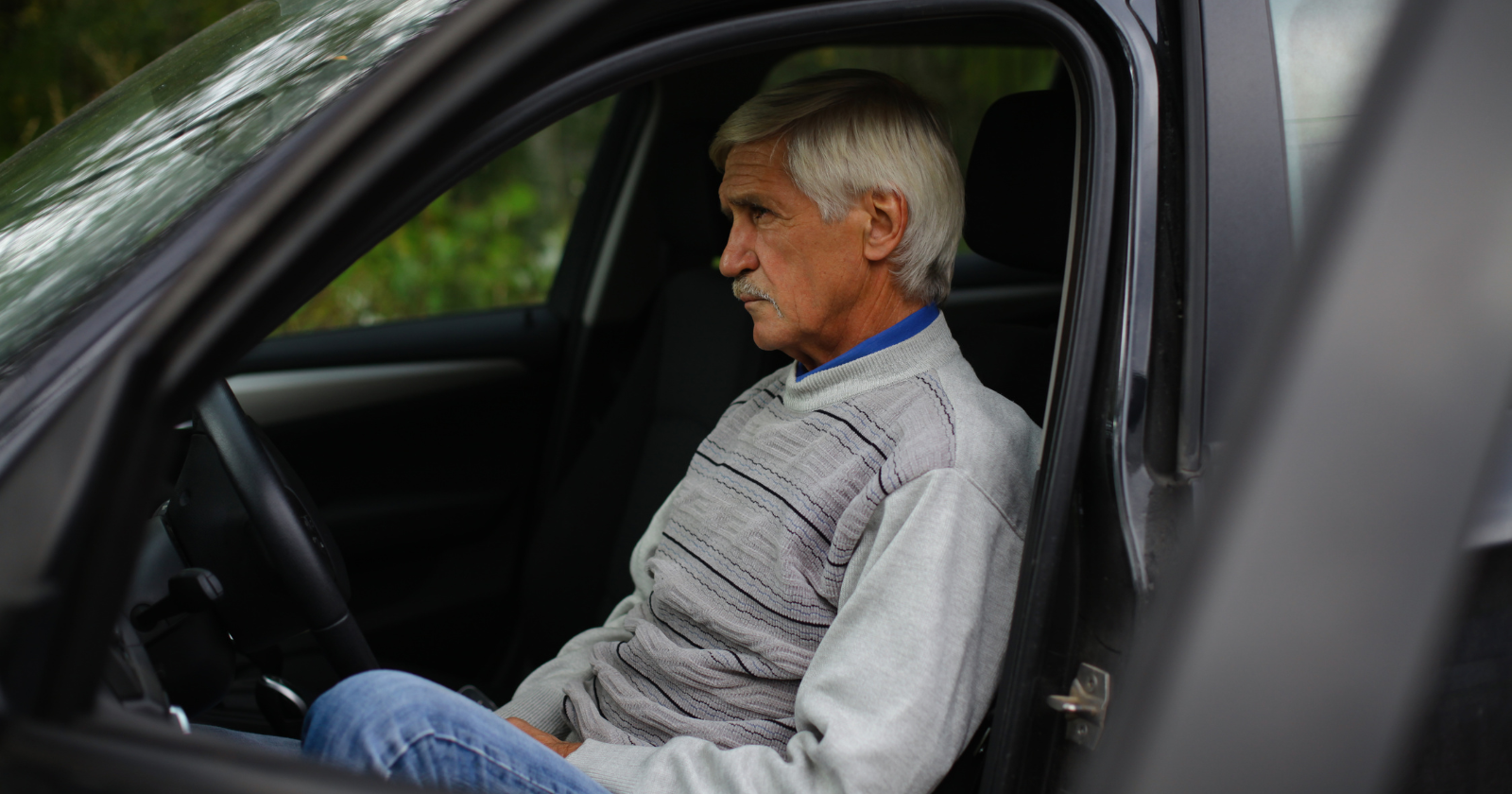
My dad spent the better part of forty years walking into the same office. When he finally retired, we threw him the dinner, made the toasts, and told him he’d earned every slow morning coming his way. He smiled and agreed. Six months later he was one of the loneliest men I knew, and he couldn’t work out why, because on paper he had everything he’d asked for.
He wasn’t ungrateful. He wasn’t sad in a way you’d spot across a room. He’d got what he wanted, and it felt, in his words, like the floor had quietly gone out from under him.
If you’ve felt any version of that, here’s the thing nobody said to him early enough. There’s nothing wrong with you. You’re not failing at freedom. You’re grieving, and you’re grieving something most people never notice they were carrying in the first place.
The freedom that doesn’t feel free
We sell retirement as a finish line. Decades of graft, then the reward: no alarm, no commute, no boss, all the time in the world. For the first few weeks it can be genuinely lovely, and researchers even have a name for that opening stretch, the honeymoon phase, when it all feels like a long-overdue holiday.
Then, usually inside that first year, the holiday feeling wears thin. The lie-ins stop landing like a treat and start feeling like a Tuesday with nothing in it. That dip has a name as well: disenchantment.
Here’s the part I wish someone had said to my dad. That flatness is not ingratitude, and it says nothing about your character. When you’ve built your days, your worth, and your sense of being useful around a job for four decades, walking away from all of it at once leaves a genuine hole. Your mind is doing what any mind does in the face of a big loss. As one therapist puts it, this is not a character flaw, and it isn’t a sign that something is broken in you.
What a job was holding up
Work is never only work.
For most of us it answers a question we rarely say out loud: who am I? You’re a teacher, a nurse, a foreman, the one who keeps the whole department from falling over. Take the title away and a lot of people are left staring at a question they haven’t had to answer in decades.
It also hands you a skeleton to hang the day on. Somewhere to be. A reason to get up, get dressed, and move through the world with your purpose already decided for you. Lose that scaffolding and the days don’t feel freer so much as shapeless.
I got a small, humbling taste of this myself. I used to run a handful of restaurants, and when I sold them, I expected pure relief. Instead, for a while, I had no idea what to do with a morning that didn’t already own me. If a few months of that unsettled me in my thirties, I have a great deal more sympathy now for what forty years of it, ending on a single Friday, does to a person.
The contact nobody ever counts
This is the piece that surprised me most, and it’s the one almost nobody warns you about.
When my dad stopped working, he didn’t only lose the big things. He lost a hundred tiny ones. The security guard who knew his name. The woman at the cafe who started his coffee the moment she saw him coming. The colleague two desks over he never once saw outside the building but traded a joke with every single morning. None of these were friendships, exactly. Together, though, they were a steady, low hum of human contact, quiet proof several times a day that he existed in other people’s worlds.
Psychologists have a lovely name for these people: consequential strangers, the weak ties that sit somewhere between close friends and total strangers. And there’s solid research showing that what retirement mostly strips away isn’t your closest relationships at all. It’s this casual, daily, almost invisible contact.
You never notice it holding loneliness back, because it does the job so quietly. You only feel it once it’s gone, when the house is silent at eleven on a weekday and you realise you haven’t spoken to another living soul.
Why the first year is the cruel one
Two things tend to collide in that first stretch.
The honeymoon glow fades right as the full quiet arrives. And the friends who swore they’d stay in touch turn out to have lives that were never really built around you. The lunches get harder to arrange. The invitations thin. Nobody is being unkind. You were part of their workday, and the workday is exactly where you no longer are.
So you end up doing a quiet audit, usually on your own, and the sums can be brutal. It’s the loneliest stretch precisely because it’s the one everyone promised would be the happiest. My dad kept apologising for feeling low about it, as if sadness was rude given how lucky he was. It wasn’t rude. It was human.
What actually helps, gently
None of this is a sentence you serve forever, and I want to be honest about that, because the story doesn’t end in the dip. A good deal of research finds that loneliness tends to ease again over the longer run, once people find their feet and build a new rhythm. The first year is the hard part, not the whole book.
A few things do help, and my dad found most of them the slow way.
Build the scaffolding back on purpose. You don’t need a job, you need somewhere you’re expected. A standing Tuesday. A class. A volunteer shift. A weekly swim with someone who’ll notice if you don’t turn up. Being expected like that is the real magic here, and it’s the thing a workplace handed you for free.
Go and gather your weak ties on purpose too. The same cafe, the same gym class, the allotment, the local. You’re not hunting for a best friend. You’re rebuilding that low hum of being a familiar face somewhere, of being half-recognised and mildly missed.
And name the thing for what it is. Not weakness, and not failure, but grief for a structure that was propping up far more of you than you ever clocked. Said out loud, to a partner or a friend or a good therapist, it tends to lose a surprising amount of its weight.
My dad’s alarm still goes off at six most mornings. These days it’s for a swim with two men from his old office, the two who turned out to be real friends once the building fell away, and a volunteering shift he genuinely will not shut up about. He isn’t the man he was at work. He’s something he had to build again from scratch, and it took him the best part of two years. But he got there, and most people do.
If you’re in the thick of that first year and it aches, I won’t tell you to cheer up and enjoy your freedom. I’ll tell you what I wish I’d told my dad far sooner. This is real, it is grief, and it is no reflection on you. Give yourself the same patience you’d offer anyone mourning something they loved.
Because that is exactly what you are doing.