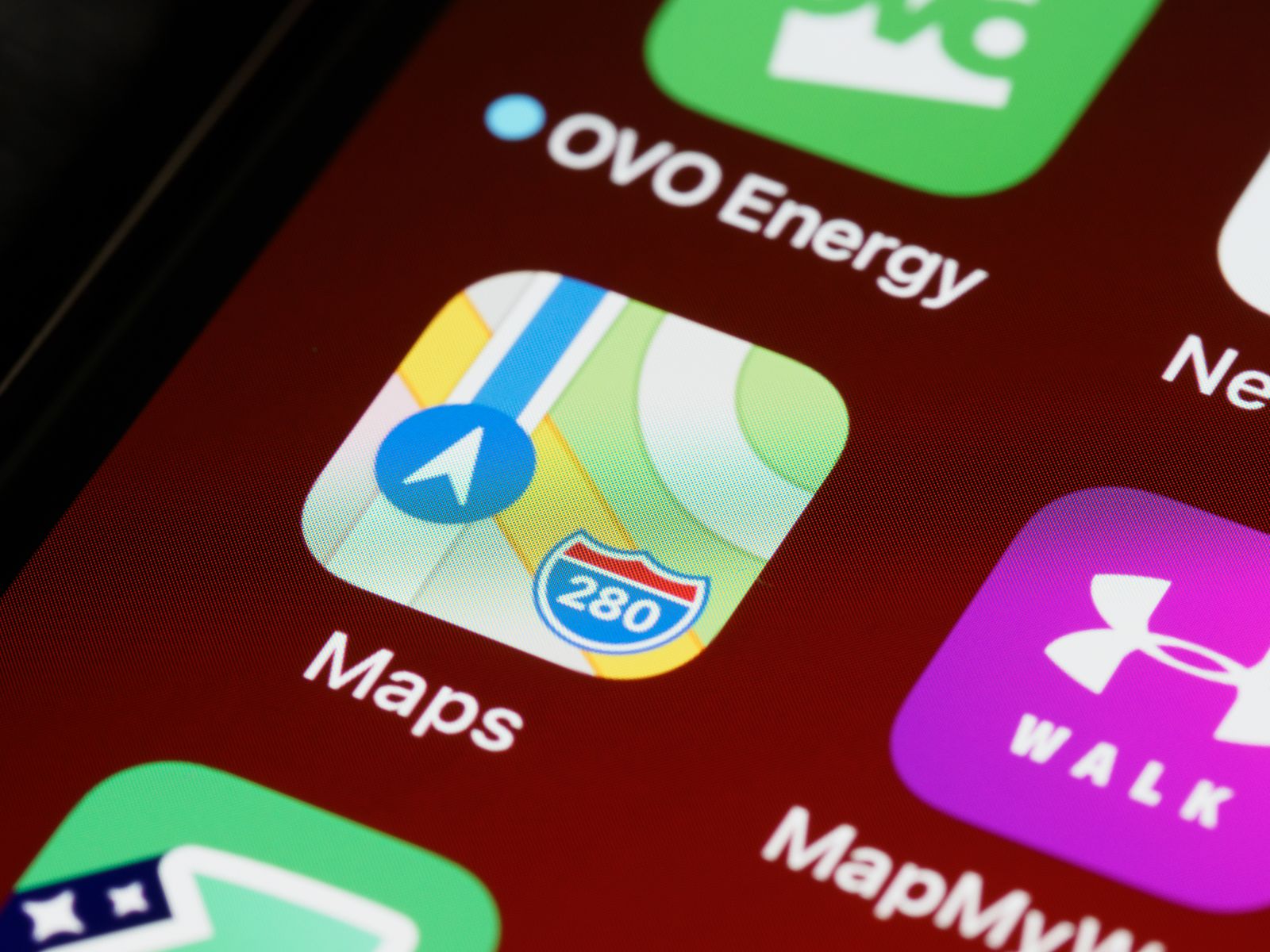
Apple has published the rulebook for its forthcoming Maps advertising product, and the document reveals a deliberately narrower commercial surface than the one Google operates. Apple will bar entire categories of local businesses — most notably home services — from buying placements when Maps ads launch this summer in the U.S. and Canada.

What the policy actually says
The Apple Advertising Services policy, effective 14 July 2026, prohibits advertising from plumbing, electrical, locksmith, HVAC, pest control, roofing and general contracting businesses. It also blocks cryptocurrency ATMs, bail bonds providers, political ads, weapons, controlled substances and defamatory material. Medical services, per the same document, will be reviewed case by case.
The delivery mechanics are equally restrictive: Apple will show only a single ad per Maps search result, marked by a blue halo around the pin and labelled in the Suggested Places list. Interaction data remains on-device and is neither collected by the company nor shared with third parties.
Why home services matter
Home services is not a fringe vertical. It is one of the largest local advertising categories on Google, funnelled through Local Services Ads, which Google gates behind its Advanced Verification regime — a process that includes state registration checks, professional license validation, recorded video interviews and annual re-verification. Locksmiths, garage door companies and contractors have historically been among the most fraud-prone categories on the open web, which is precisely why Google built the compliance apparatus around them.
By excluding the category outright, Apple avoids the verification, audit and dispute infrastructure Google has had to build. It also sidesteps the reputational exposure that comes with hosting scam-adjacent verticals inside a first-party navigation app.
A different structural bet
The design choices point to a product positioned as navigation with commercial overlays, rather than a local search auction. One ad per query, on-device attribution, hand-curated categories: this is the App Store editorial model transposed onto geography. It also produces materially less inventory than Google’s model, which suggests Apple is optimising for margin-per-impression and brand safety rather than volume.
There is a follow-the-money read here. Google’s local ads business scales on breadth — more verticals, more advertisers, more auctions. Apple’s services revenue, by contrast, scales on take rate and control of the surface. A curated Maps ad product with scarce inventory and premium placement is consistent with the economics of the App Store, not AdWords. Silicon Canals has previously examined how high-definition mapping is becoming a strategic layer for platform companies; monetising that layer is the next logical step.
Signals of expansion
A recent update to Apple’s Advertising Services Terms of Service hints at further ambition. The language could allow Apple to extend its ad network beyond first-party apps into non-Apple-owned services. Apple has not confirmed such plans.

The wider frame
The immediate story is a category ban. The structural story is that two of the world’s most valuable companies are converging on the same real estate — the local map — with opposite theories of what advertising should be. Google treats the map as a search engine with a compliance department attached. Apple is treating it as a navigation product with a velvet rope. The verticals each platform admits, and the ones each excludes, will shape which small businesses can reach which consumers over the next decade.