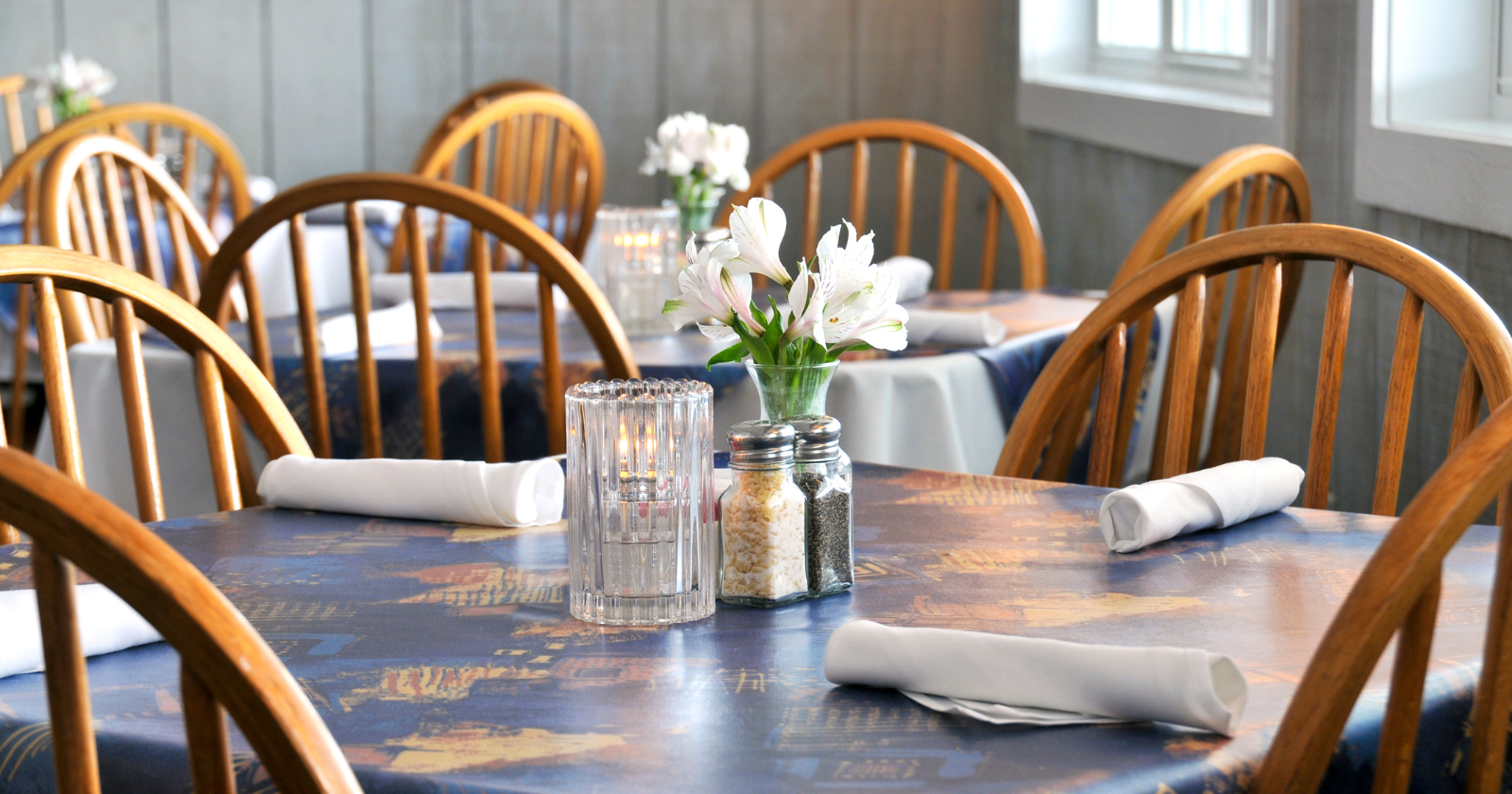
There is a moment at the end of every meal that nobody notices, and that is exactly the point. You stand, gather your phone and keys, and then either slide the chair back under the table or leave it jutting out like a tripwire.
Running restaurants taught me to read a dining room by the chairs. Not the plates. The chairs.
After service you could tell, without a word from anyone, which tables had been occupied by people who spared a thought for somebody other than themselves.
It is a favour for a stranger you will never meet
Pushing your chair in does nothing for you. Your meal is over. The bill is paid. You are already thinking about the taxi. Nobody is watching, and if they are, they are not going to say anything about it.
The beneficiary is always someone else. The waiter carrying three plates gets a clear run to table nine. The bloke wrestling a pram can actually reach the loo. The cleaner at eleven at night does not have to shunt forty chairs into place with her hip.
You will never meet any of them. None of them will thank you. That is precisely what makes the habit interesting.
Mess spreads faster than most people realise
A famous set of Dutch field experiments looked at exactly this, run by researchers at the University of Groningen and published in Science in 2008. They set up ordinary public spaces in two versions, one tidy and one scruffy, and watched what people did.
Graffiti on a wall made passers-by more likely to litter. A bit of visible disorder made them more likely to trespass. In one experiment the team left an envelope poking out of a postbox with a five euro note clearly visible inside, and far more people helped themselves to it when the postbox was covered in graffiti.
The technical phrase is cross-norm inhibition. In plain English: when we see that one rule has been ignored, we quietly give ourselves permission to ignore a different one.
An abandoned chair is a very small version of that same signal. It says nobody here bothers.
Being decent is swimming upstream
Here is the depressing bit, and I think it is worth knowing.
Psychologists at North Carolina and Harvard ran five experiments on what they called paying it forward. Participants were treated greedily, fairly or generously by an anonymous stranger, then given the chance to treat a different anonymous stranger however they liked. Fair treatment got passed along fairly. But greed got passed along more readily than generosity did.
Meanness travels. Kindness has to be carried.
Which means the person who pushes their chair in is not riding a wave of good behaviour. They are pushing against the current, in a room where nobody is keeping score.
Small habits are a decent proxy for the big ones
Nobody is claiming that chair placement adds years to your life. What the research does suggest is that the trait underneath it matters more than we give it credit for.
The long-running Terman study followed more than a thousand Californians from childhood into old age, and researchers at UC Riverside found that childhood conscientiousness predicted how long people lived. Not charm. Not cheerfulness. Dependability. The unglamorous business of doing the thing you said you would do.
Conscientiousness does not announce itself at dinner parties. It shows up in the returned trolley, the reply to the boring email, the chair.
The five-second test
If you want to read someone quickly, stop watching how they treat people who can help them. Watch what they do when nothing is at stake.
The trolley in the car park, forty steps from the bay. The lift button held for someone still crossing the lobby. The empty coffee pot they either refill or leave for the next poor soul. The chair.
None of it costs anything. All of it takes about five seconds.
And if you want to become that person rather than merely admire them, the trick is to do the small thing on the days you are tired, late, and mildly annoyed. That is when it stops being manners and starts being character.
I have never once regretted the two seconds. I have absolutely walked back across a restaurant to fix it.