

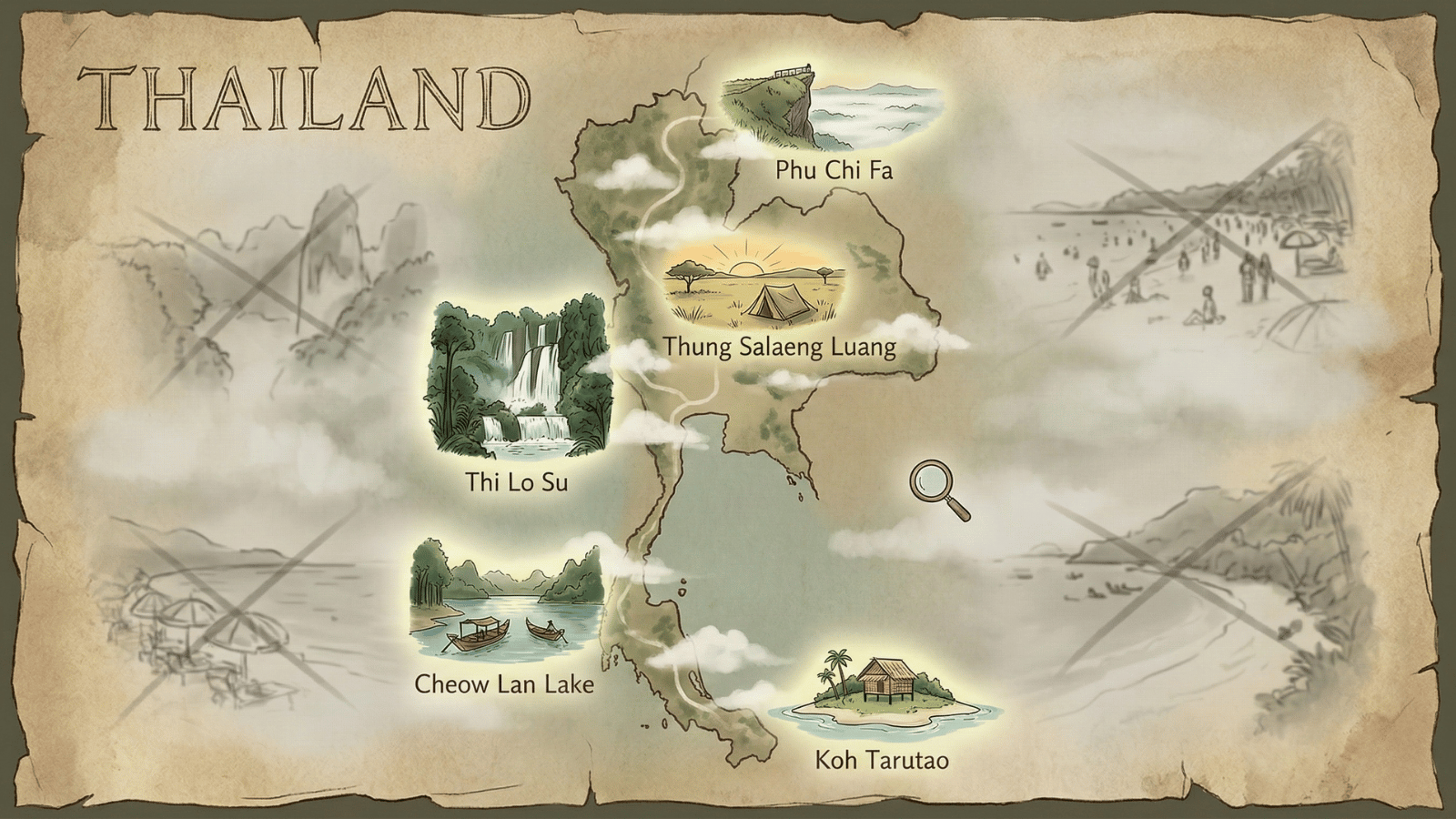
Thailand’s famous spots have earned their reputation. But they’ve also earned their crowds—Maya Bay now feels like a theme park queue, and Phi Phi’s beaches are standing room only by mid-morning.
The good news: Thailand is big, and most tourists stick to the same handful of places. Here are five spots where the natural scenery genuinely stops you in your tracks, and you won’t be jostling for position to see it.
1. Cheow Lan Lake, Khao Sok National Park
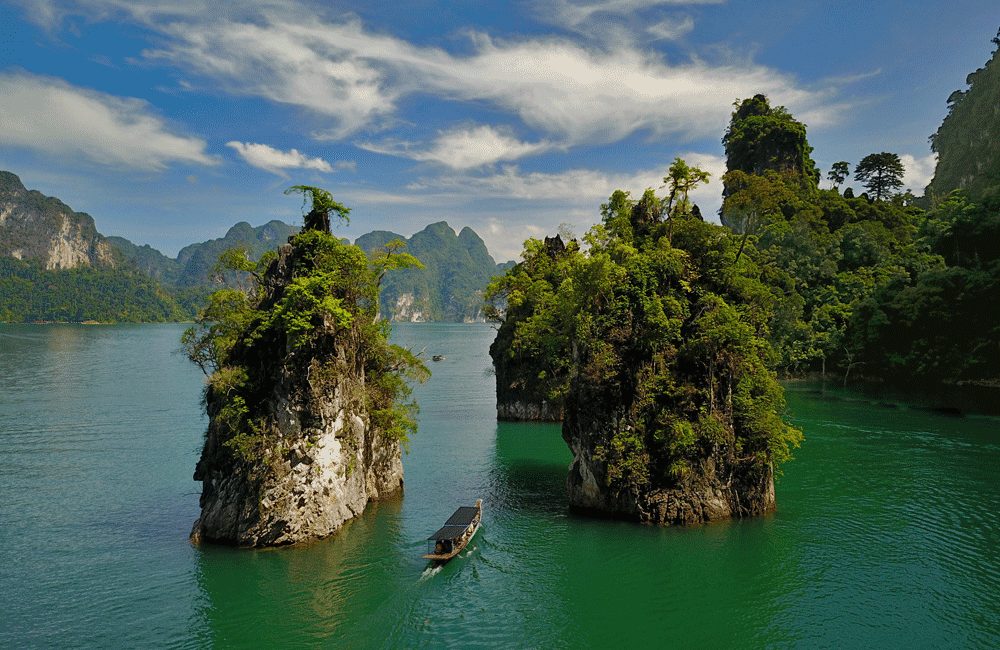
Think Halong Bay, but freshwater, jungle-wrapped, and without the boat traffic.
Massive limestone karsts shoot straight up from emerald water, draped in vines and forest. The lake is surrounded by rainforest and limestone formations. You stay in floating bungalows, fall asleep to jungle sounds, and wake up to gibbons calling across the mist.
Khao Sok sits about three hours north of Phuket, which keeps casual day-trippers away. The people who make it here tend to stay a night or two, and the pace reflects that. It’s not undiscovered, but it’s not overrun either.
Best for: Anyone who wants dramatic scenery without the circus. Couples, families, solo travellers looking to reset.
Getting there: Fly into Surat Thani, Phuket, or Krabi. Most tours and lodges arrange transfers.
2. Thi Lo Su Waterfall, Tak Province
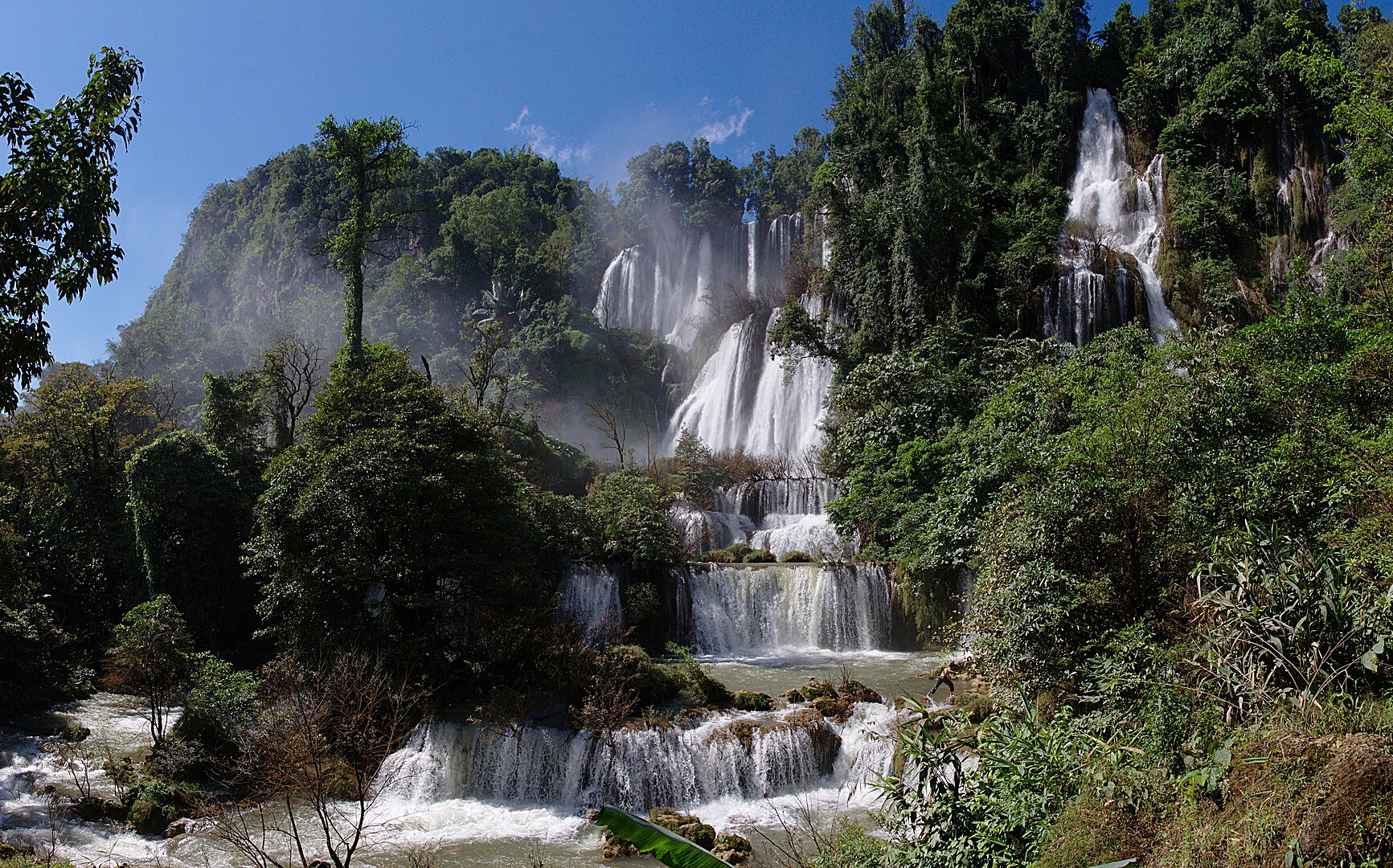
Thailand’s largest waterfall, and one of the few places in the country where “remote” actually means remote.
The waterfall descends through several tiers in Umphang Wildlife Sanctuary. To reach them, you drive to Umphang district near the Myanmar border, then hike about two kilometres through dense forest from the park headquarters. The journey filters out anyone not genuinely committed to being there.
The payoff is a waterfall that feels properly wild—no railings, no crowds, no vendors. Just a massive cascade of water through untouched forest.
Best for: Hikers and nature-focused travellers willing to put in some effort.
Getting there: It’s a long drive from anywhere. Most visitors base themselves in Umphang and arrange local transport. Guided tours are available and recommended.
3. Thung Salaeng Luang National Park, Phetchabun
This one surprises people: savannah grassland in Thailand.
The park is known for its early morning views, when light spreads slowly across open woodland and mist hangs over the camping areas. It’s a different landscape from what most people associate with Thailand—more African plains than tropical jungle.
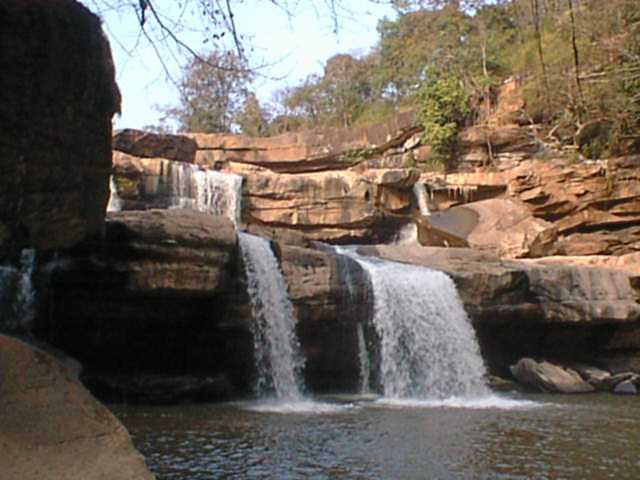
The park also contains Kaeng Sopha, a wide waterfall sometimes compared to a miniature Niagara Falls. It’s most impressive from June to August and again from November to December; during the dry season it slows to a trickle.
Foreign tourists are rare here. It’s a popular domestic destination, but the infrastructure remains basic and the vibe is quiet.
Best for: Campers, photographers, anyone wanting to see a side of Thailand most visitors miss entirely.
Getting there: No public transport. You’ll need a car. The park is about 40 kilometres from Phetchabun town.
4. Phu Chi Fa, Chiang Rai Province
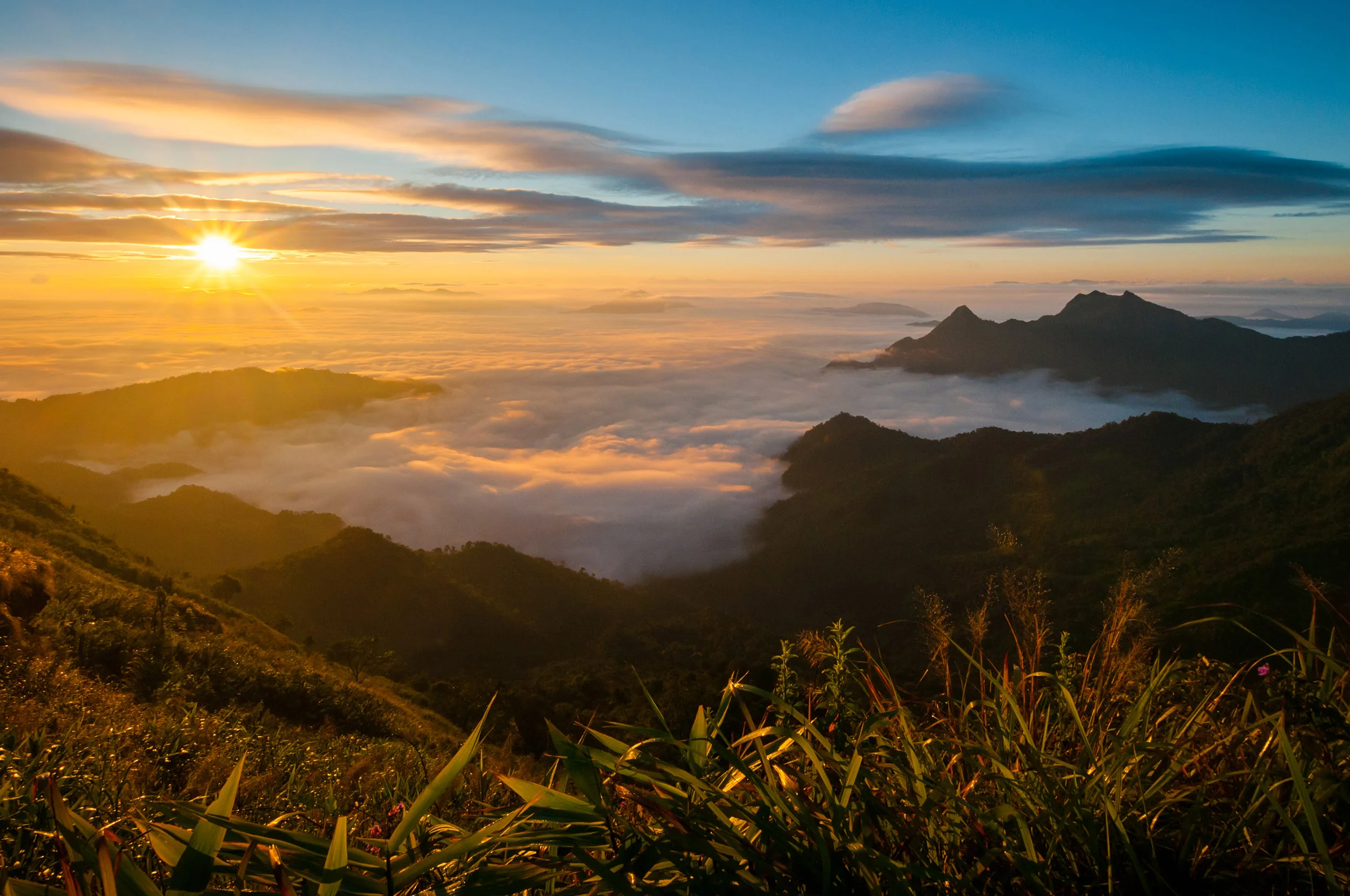
A clifftop viewpoint in Thailand’s far north, known for one thing: watching sunrise above a sea of clouds.
On clear mornings, the mist settles into the valleys below and you’re standing above it, looking out over what feels like an ocean made of fog. The effect is genuinely surreal—and it happens regularly enough that you’ve got decent odds of catching it.
The village nearby is small, quiet, and largely unchanged by tourism. Homestays offer farm-to-table meals and the kind of hospitality that reminds you why Thailand has the reputation it does.
Best for: Sunrise chasers, photographers, anyone wanting to experience rural northern Thailand.
Getting there: About 2.5 hours from Chiang Rai city by car. No public transport, so you’ll need to rent a vehicle or arrange private transfer.
5. Koh Tarutao, Satun Province
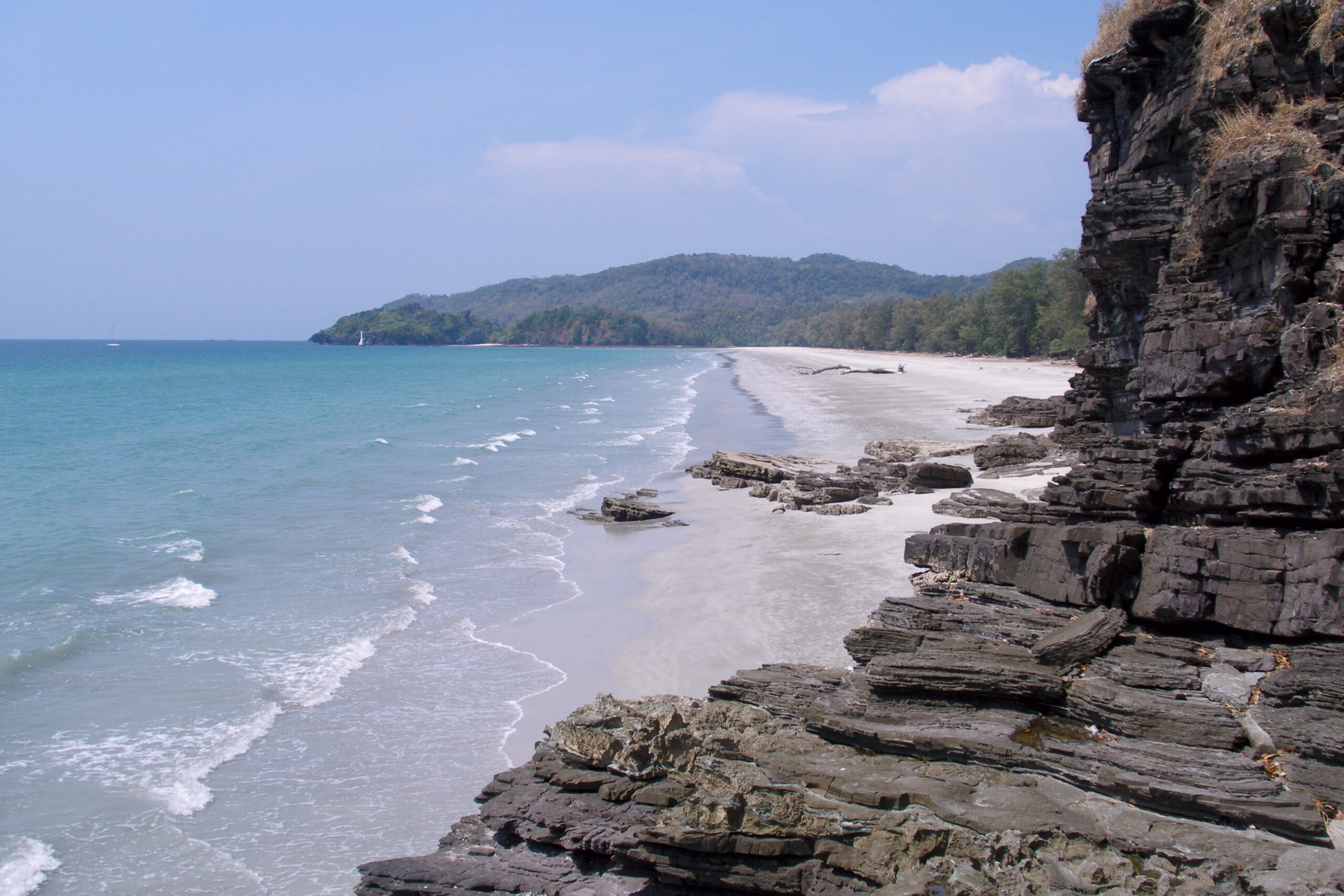
An island in the Andaman Sea that feels like Thailand before the tourists arrived.
Koh Tarutao is part of a national marine park, which has kept development minimal. There are no resorts, no beach clubs, no nightlife. What you get instead: pristine beaches, dense jungle, mangroves to kayak through, and the kind of quiet that’s increasingly hard to find on Thai islands.
The island has an interesting history too—it served as a prison colony in the early 20th century, and some of the old structures remain.
Accommodation is basic (national park bungalows and camping), which is part of what keeps it uncrowded.
Best for: Travellers comfortable with simple facilities who want genuine island wilderness.
Getting there: Ferries run from Pak Bara pier in Satun province. The island is only accessible during the dry season (roughly November to May).
