

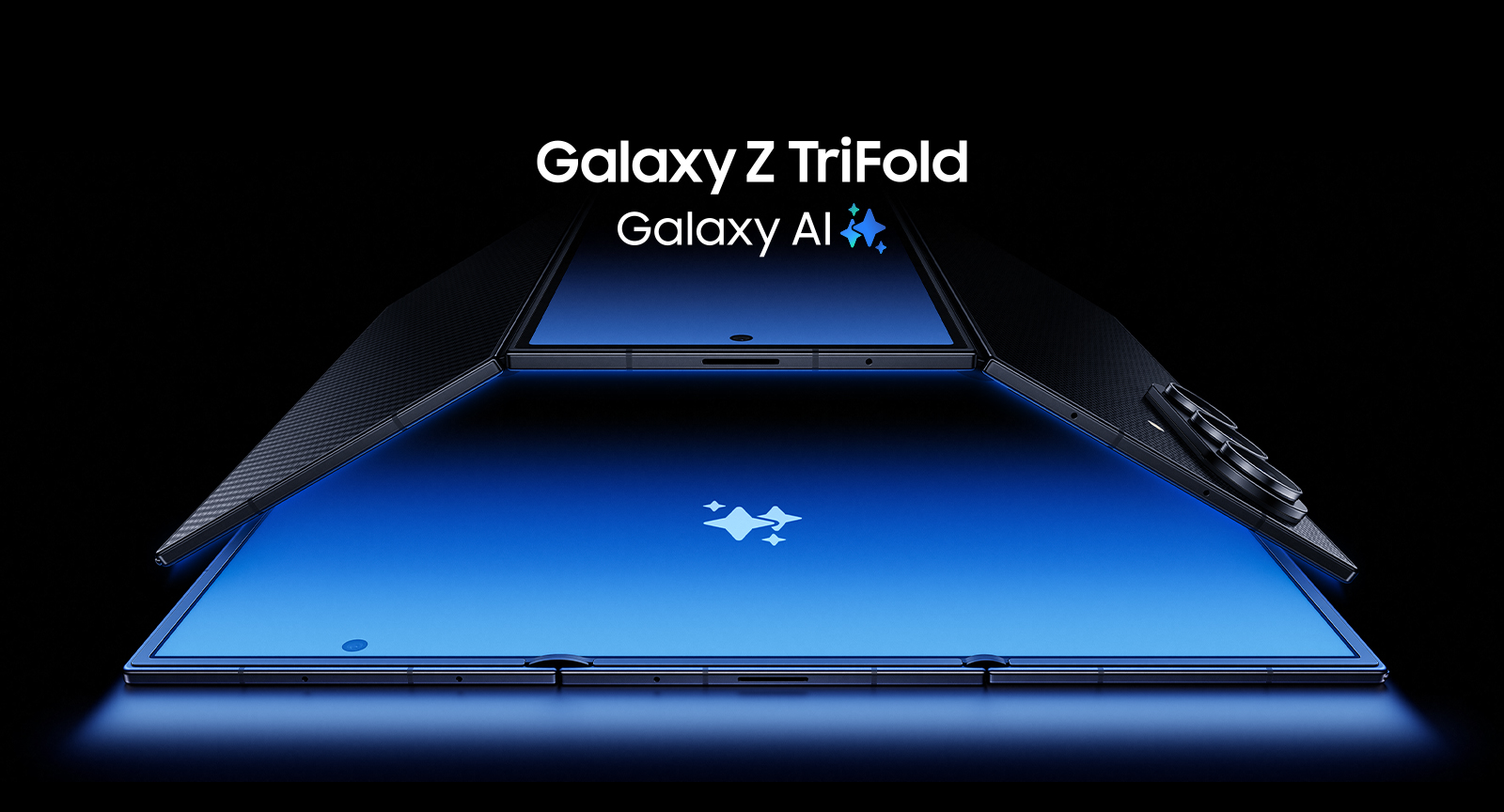
Samsung’s second batch of Galaxy Z TriFold units sold out in just two minutes on December 17, beating the five-minute sellout from the phone’s initial launch five days earlier. The restocked inventory was completely depleted across Samsung.com and major retail stores nationwide by 10:02 AM Korean time.
The phone costs KRW 3,590,400 (roughly US$2,430), making it one of the most expensive smartphones on the market. That price barrier has done nothing to slow demand.
The numbers tell the story
According to BusinessKorea, the second batch consisted of only a few hundred units distributed nationwide. The first sale on December 12 reportedly had approximately 700 units spread across 20 Samsung retail locations, and those sold out within minutes as well, with long queues forming outside stores before opening.
Samsung has not disclosed official sales volumes, but industry estimates suggest the company plans to expand supply to between 2,500 and 5,000 units by early next year, with a long-term target of up to 10,000 units.
For context: Samsung shipped approximately 10 million foldable phones globally in 2024. The TriFold is operating on an entirely different scale, at least for now.
Resale prices are surging
The artificial scarcity has predictably created a secondary market frenzy. On Korean online trading platforms, the Galaxy Z TriFold is selling for between 4 and 5.5 million won (US$2,700 to $3,700), representing a premium of up to 55% over retail. Some sellers have listed units at 10 million won (US$6,750), though it remains unclear whether anyone is actually paying those prices.
Similar dynamics are playing out in Singapore, where the phone is priced at S$3,988 and the first allocation sold out before retail even began. Resellers there are reportedly asking around S$6,000 for units, a 50% markup.
Is Samsung constraining supply deliberately?
The obvious question: is this genuine demand outstripping production capacity, or is Samsung manufacturing scarcity to generate buzz?
The answer is probably both. The TriFold is Samsung’s first tri-fold device, featuring an entirely new hinge mechanism and display configuration. Production yields on novel hardware are typically lower than mature product lines, and Samsung may be exercising caution before scaling up manufacturing.
But the limited rollout also serves a marketing purpose. Every “sold out in minutes” headline reinforces the narrative that this is a must-have device. The phone has generated more media coverage than any Samsung launch since the original Galaxy Fold, and it hasn’t even reached most international markets yet.
Samsung is also reportedly making minimal profit on each TriFold unit, suggesting the company views this launch as a market test and brand-building exercise rather than a revenue driver.
Repair costs add to the risk
Buyers who do manage to secure a unit face another concern: repair economics. Samsung has excluded the Galaxy Z TriFold from Samsung Care Plus coverage entirely. If the main display cracks, replacement costs run between KRW 1.65 and 1.83 million (US$1,115 to $1,240). The external cover display is significantly cheaper at KRW 134,500 (US$91).
Samsung has implemented a one-time 50% discount on repair costs for TriFold owners, which helps offset the risk. But for a phone this expensive, the lack of comprehensive insurance coverage is notable.
What comes next
Samsung has confirmed the Galaxy Z TriFold will expand to China, Taiwan, Singapore, and the UAE before the end of December, with a US launch planned for Q1 2026. Based on the Korean reception, expect similar sellouts in those markets.
The company has not announced when the third Korean batch will go on sale. Buyers can sign up for restock notifications on Samsung’s website, though that’s no guarantee of actually securing a unit.
For those unwilling to wait or pay scalper prices, the math is simple: Samsung needs to dramatically increase production capacity, or the Galaxy Z TriFold will remain a device that more people talk about than actually own.
