

Consider a soybean farmer in a village a couple of hours outside Nagpur, in Maharashtra state. He’s using an app on his phone — a free weather and crop-pricing tool recommended by an agricultural extension worker. The app is in Marathi. It has a cheerful green interface and a small logo he doesn’t recognize. He uses it every morning to check whether rain is coming and every evening to see what middlemen in the nearest mandi are offering for his harvest.
This farmer doesn’t know, and has no reason to know, that his daily check-ins are generating a data trail that could pass through seventeen corporate servers across nine countries before informing trading decisions at a quantitative hedge fund in Westport, Connecticut. Researchers and journalists have been mapping these trails with increasing precision. What emerges is a portrait of the global surveillance economy that is both more mundane and more structurally violent than the version we usually discuss in Western tech circles.
The app on the farmer’s phone
Let’s call the app AgriSense and the farmer Ravi — both names changed for obvious reasons. AgriSense is one of dozens of agricultural information tools that have proliferated across rural India since Jio’s telecom revolution collapsed the cost of mobile data to nearly zero around 2016. These apps serve a genuine need. Smallholder farmers in India have historically been at the mercy of information asymmetry: they don’t know real-time market prices, they can’t access reliable weather forecasts, they have limited bargaining power against traders and middlemen. Digital tools were supposed to change that.
AgriSense is free to download and free to use. It makes money the way most free apps make money: through the data its users generate. But the specifics matter. When Ravi opens AgriSense each morning, the app collects his GPS coordinates, the duration and pattern of his usage, his crop selections, his price searches, and metadata about his device. It also requests (and Ravi granted, because the permission screen was in English) access to his phone’s accelerometer, his contact list, and his SMS history. That last permission is particularly valuable because in rural India, many financial transactions, loan confirmations, and government subsidy notifications arrive via text message. AgriSense can read all of them.
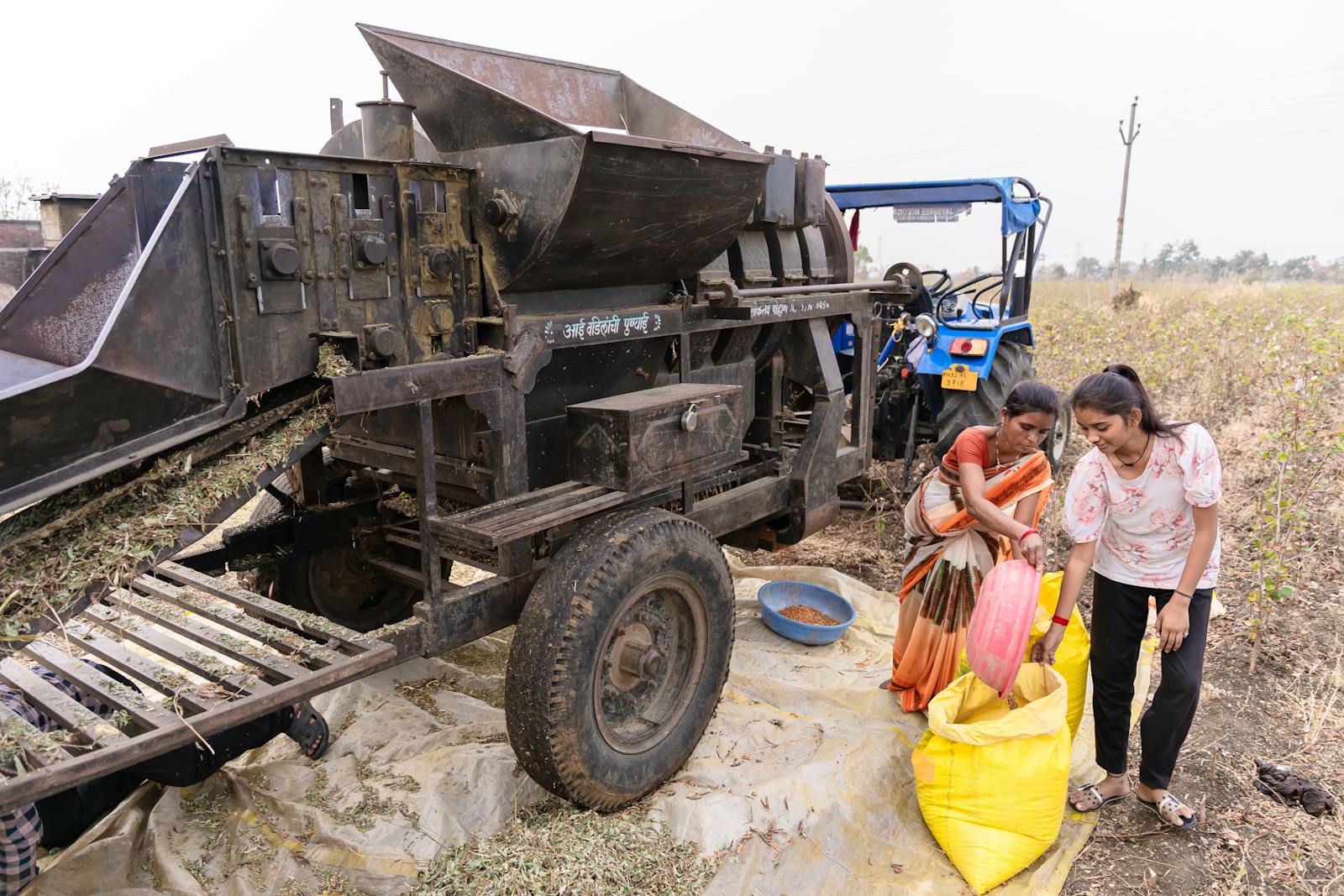
According to a Privacy International investigation into similar agricultural apps, this kind of permissions overreach is endemic. The data collected far exceeds anything necessary for the app’s stated function. And the privacy policies, when they exist at all, are written in English legalese that would challenge a native speaker, let alone a Marathi-speaking farmer with a few years of formal education.
Seventeen servers, nine countries
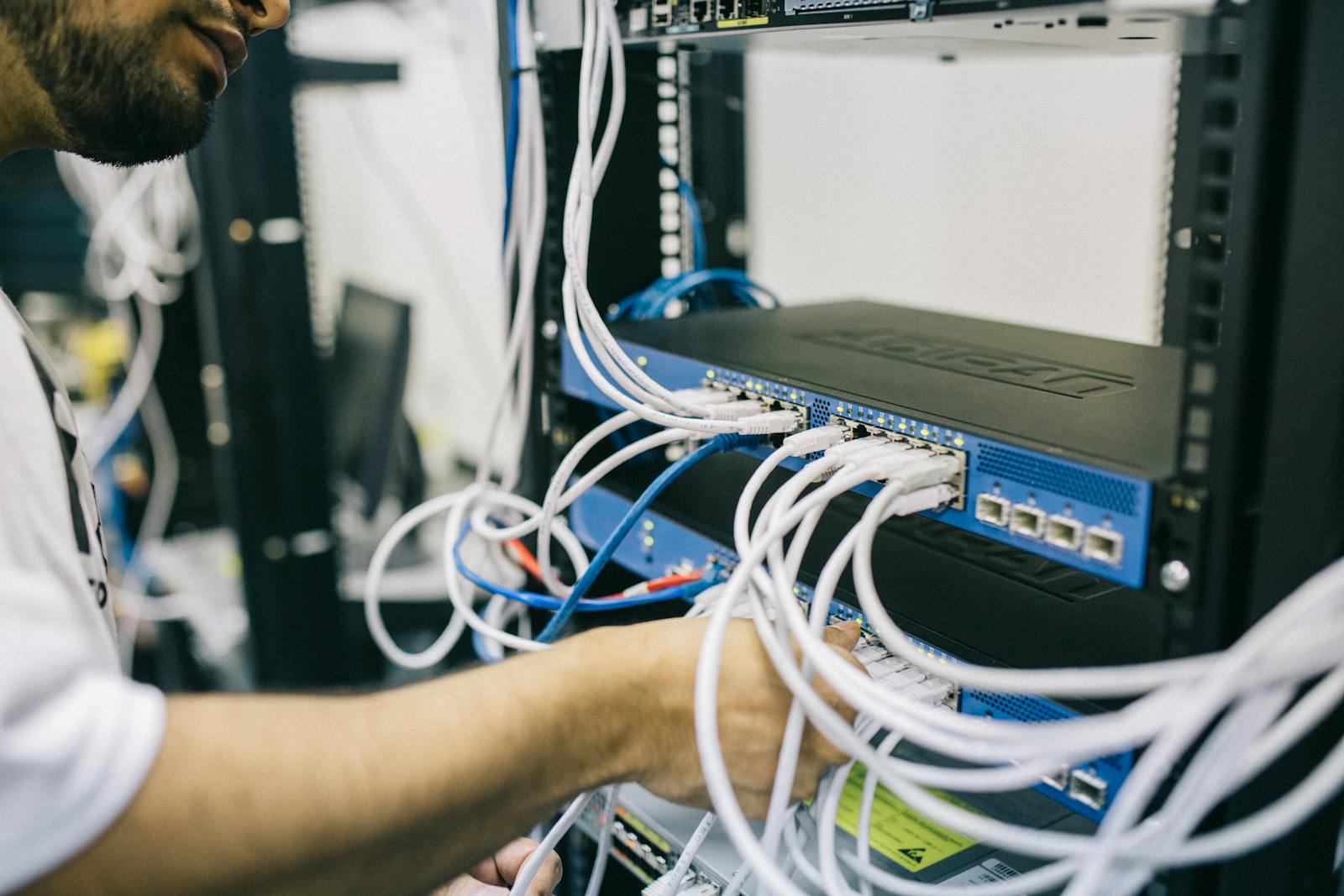
Here is where it gets architecturally interesting. Researchers who have mapped the network requests that apps like AgriSense make have revealed that the data doesn’t travel in a straight line. It cascades.
First stop: a data aggregation server in Mumbai, operated not by AgriSense but by a third-party SDK (software development kit) that the app’s developers embedded in their code. This SDK belongs to a data broker registered in Singapore — where I’m based — which is one of the reasons this story caught my attention. Having co-founded a tech platform and spent years thinking about how data flows through digital ecosystems, I find the architecture both fascinating and deeply troubling. Singapore’s regulatory environment for data intermediaries is, to put it diplomatically, accommodating. The broker collects location and behavioral data from over 400 apps across South and Southeast Asia.
From Singapore, Ravi’s data (now stripped of his name but still carrying a unique device identifier that makes “anonymization” a polite fiction) moves to processing servers in Ireland, taking advantage of the EU’s complex data-processing loopholes for non-EU citizen data. Then to an analytics firm in Tel Aviv that specializes in what the industry calls “alternative data” products. Then to a subsidiary in the Cayman Islands that handles licensing agreements. Then, finally, to a quantitative trading desk in Connecticut that uses agricultural behavioral data from emerging markets as one input in a commodities trading model.
Seventeen servers. Nine countries. The journey takes less than forty-eight hours from the moment Ravi checks the price of soybeans to the moment his behavioral pattern becomes a data point in a model that might, if the algorithm finds enough correlated signals, influence a futures trade on soybeans. The same crop he grows.
The money flows up, the value flows out
I want to be precise about what’s happening here, because the surveillance economy discourse tends to oscillate between two poles: libertarian indifference (“he agreed to the terms of service”) and apocalyptic panic (“Big Brother is watching everyone”). The reality is more structural than either framing allows.
Ravi receives a free weather forecast and a rough sense of market prices. In exchange, he generates data that creates value at every node in the chain I’ve described. The Singapore data broker sells aggregated behavioral datasets for, according to industry pricing reports, between $0.50 and $2.00 per unique user per month. The Tel Aviv analytics firm repackages this into “alternative data” products that sell to hedge funds for six- and seven-figure annual subscriptions. The hedge fund in Connecticut uses these signals alongside satellite imagery, shipping manifests, and other data streams to trade agricultural commodities.
A Grand View Research report valued the alternative data market at over $7 billion in 2023, with agricultural and emerging-market datasets among the fastest-growing segments. Ravi’s data contributes a fraction of a fraction of a cent to this economy. But multiplied by hundreds of millions of smallholder farmers across India, Indonesia, Nigeria, and Brazil, the aggregate value is enormous — and none of it returns to the people who generate it.
This is the part that stays with me. The hedge fund’s trading activity in soybean futures can, at sufficient scale, influence the global price of the commodity that Ravi depends on for his livelihood. His own data, extracted without meaningful consent, feeds a system that may ultimately move the price he receives for his crop. The circularity is elegant if you’re an economist. It’s something else if you’re Ravi.
The consent fiction
I’ve written before about how the architecture of digital consent is designed to produce agreement rather than understanding. This case makes the problem visceral. Ravi speaks Marathi and limited Hindi. The permissions screen was in English. The privacy policy, buried on a website that hadn’t been updated in years, ran to thousands of words of legalese. The idea that this constitutes “informed consent” is a fiction that serves the data supply chain, not the person at its origin.
This isn’t unique to agricultural apps or to India. It’s the foundational logic of the surveillance economy everywhere. But it becomes harder to ignore when you trace the full journey — from a farmer checking tomorrow’s weather to a trading algorithm adjusting its position on soybean futures. The abstraction collapses. You see the machinery.
As someone who has built digital platforms and thought deeply about the relationship between technology and power, I find this case particularly clarifying. We in the tech world talk endlessly about “creating value” and “connecting people.” But the value being created here flows in one direction, and the connection being established is between a farmer’s most intimate data and a financial system designed to extract from the very markets that farmer depends on.
The global surveillance economy is not a conspiracy. It’s an infrastructure. It was built in plain sight, one SDK at a time, one permissions screen at a time, one regulatory gap at a time. And it works precisely because people like Ravi — and, honestly, people like most of us — never see the full architecture. We see a free app with a cheerful green interface. The seventeen servers remain invisible.
That invisibility is not a bug. It’s the product.
