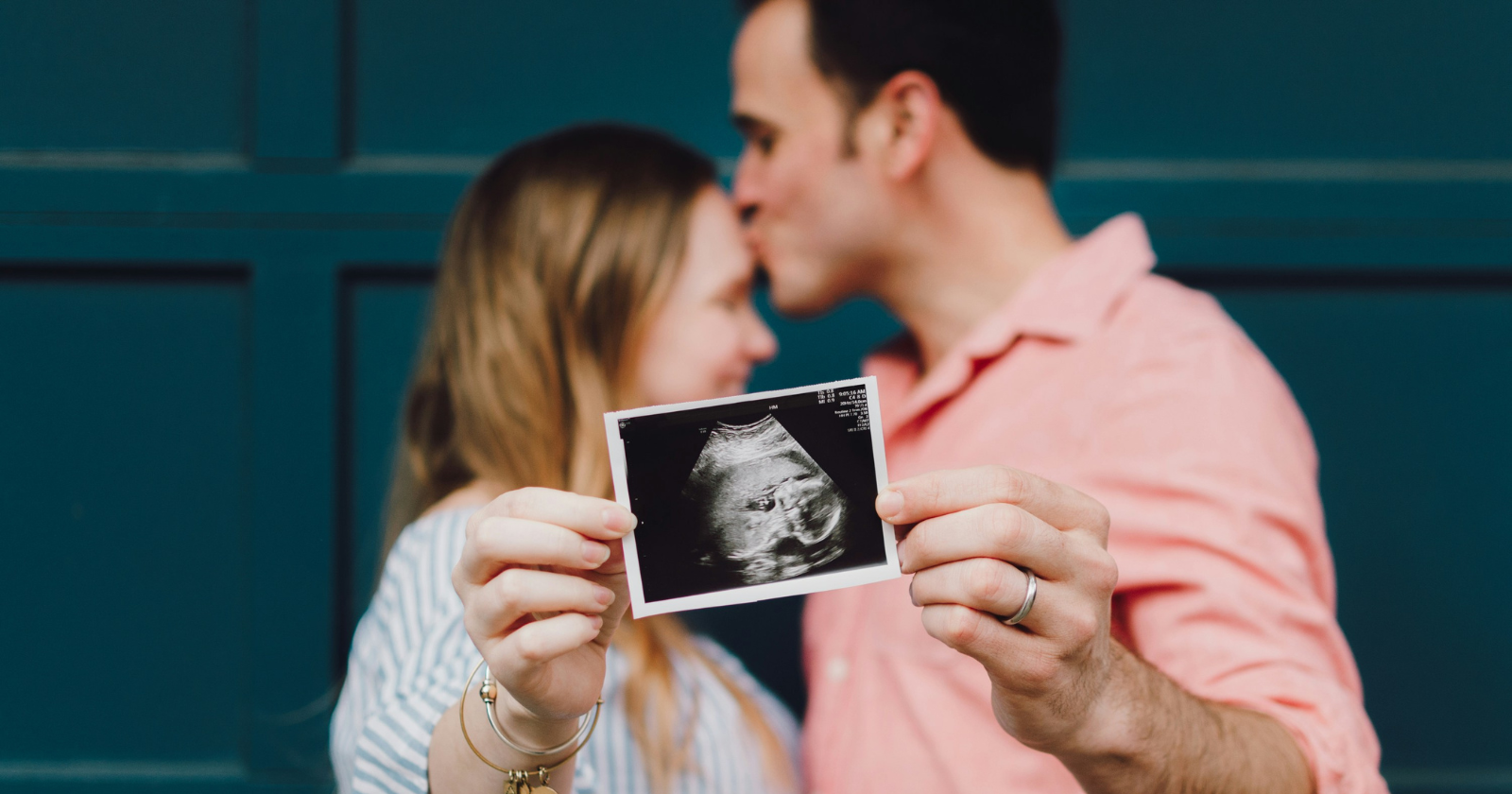
Last Saturday night, after Emilia fell asleep and the kitchen counters were cleared, my husband and I sat on the balcony with mint tea and the noise of São Paulo in the distance. We talked about dinner plans for our next trip to Santiago.
Then we circled back to the question that won’t leave us alone. Do we bring a second child into this world, or do we stop at one?
It’s the most intimate climate question I’ve ever faced. Not a reusable bag choice. Not a diet tweak. A lifelong decision that will shape our home, our time, and yes, our footprint.
I’m not alone in wrestling with this. A wave of reporting and new research in the past few years has put words and data to a feeling that’s been humming under the surface for many people in their 20s and 30s.
The Associated Press recently profiled young adults who are openly factoring climate risk and personal carbon impact into their family planning. One line stuck with me: bioethicist Travis Rieder calls the ripple effect of procreation a “carbon legacy.”
What the latest research actually shows
Let’s start with the facts, not the hot takes. In mid-2024, Pew Research Center published a nationally representative survey of adults who don’t have children.
Among Americans under 50 who say they’re unlikely to become parents, a meaningful share named environmental concerns, including climate change, as a major reason. Younger non-parents were notably more likely than older non-parents to say climate plays into their decision.
There’s also a growing academic record, not just headlines. A recent cross-national study in the Journal of Marriage and Family linked higher climate worry with lower intended family size in Finland, Estonia, and Sweden. It found climate concern is associated with a stronger inclination to remain childfree or to plan for fewer children.
On the younger end of the age spectrum, a large study of people aged 16 to 25 reported widespread climate anxiety and linked it to big life decisions, including doubts about having children. That study appeared in The Lancet Planetary Health and has been widely cited in both mental health and education circles.
None of these studies tells you or me what to do. They do something quieter and more useful. They legitimize the question.
The AP story is a mirror, not a map
The AP piece captures what I hear from friends on long stroller walks in Itaim Bibi and from cousins in Almaty and Santiago. Some feel a tug toward parenthood that is bone deep. Others are clear they don’t want kids. Many are in the middle, stuck between desire and dread.
The article pulls together three strands I keep seeing in real conversations. First, fear for a child’s future in a hotter, harsher world. Second, awareness that having a child increases a family’s lifetime emissions, especially in high-consumption countries. Third, the social sensitivity around saying out loud that climate affects your family planning.
“Having children is a deeply meaningful and important activity to people. It’s also carbon-expensive.”
That last part matters. If the conversation feels taboo, people carry their questions alone. What we don’t put into words tends to grow heavier.
The ethics of “carbon legacy,” in plain language
Rieder’s “carbon legacy” idea is simple. A child doesn’t just add diapers and a bigger fridge today. They add an entire lifetime of consumption, and possibly future generations who consume too. You’re also creating someone who is going to have their own carbon footprint for the rest of their life.
There’s a reason this line makes some of us flinch. Children aren’t appliances. They’re not SUVs. They’re people we love before they exist. Reducing love to kilograms of CO₂ feels wrong.
So I try to translate the concept into choices I can actually make. If love and meaning are non-negotiable, how do we hold them alongside responsibility? That’s where many families quietly land: a smaller family, a later start, or adoption. Those aren’t moral trophies. They’re personal calibrations.
Inequality changes the math
Here’s another piece that matters when you live as an immigrant family and hop between continents.
Where you live and how you live changes the footprint calculus. As the AP story notes, wealth tracks closely with emissions, and the average resident of a high-income country typically has a footprint many times larger than the average person in lower-income countries. That gap complicates every clean answer.
It also reframes what “impact” looks like for each of us. A high-earning couple in São Paulo can cut a lot of emissions without changing the size of their family by tackling housing, transport, food, and energy choices. A policy-aware voter can move the needle more through city and national decisions than through perfect individual habits. Systems shape footprints.
What people are actually doing
The data hints at a shift that feels familiar. In the Pew report, younger non-parents were more likely than older adults to list climate as a reason they’re unlikely to have kids. In the Nordic family-intentions study, higher levels of climate worry showed up as smaller intended family size. Both findings match what I hear from friends over dinner: an openness to one-child families, a longer pause before starting, a willingness to say no to parenthood completely.
Another thread I see is values-based experimentation. Some couples choose to have one biological child and then consider fostering. Others build a second-kid plan that’s conditional: if they hit certain sustainability and financial benchmarks, they move forward. These micro-policies are imperfect, but they help people step out of paralysis.
What helps if you’re torn
When I get stuck, I do three things.
First, I name the fear clearly. Is it fear for a child’s safety in extreme heat? Or the weight of our family’s footprint? Different fears lead to different actions. That distinction shows up in the research too: some studies separate concern for a child’s wellbeing from concern about procreation’s carbon cost, and both are linked to lower intended fertility.
Second, I scale my decision to our reality. We’re two working parents in a dense urban neighborhood. We walk or use rideshares, cook most meals at home, and plan to electrify our next home setup. These choices don’t erase a baby’s footprint. They do shift the slope.
Third, I remember that love and responsibility can sit at the same table. I’ve seen parents raise kids who are curious, resourceful, and community-minded. I’ve also seen childfree friends pour into nieces, students, and neighborhood projects with the kind of attention that changes a street.
Where I land today
I can’t pretend this is an abstract issue for me. We want another baby. We also want to live in line with our values.
So our current plan is this: revisit the decision every six months, keep lowering our household emissions in ways that also make our days better, and talk openly about the tradeoffs. If we do grow our family, we’ll likely stop at two. If we don’t, we’ll put extra energy into being the best village for the kids in our circle.
If you’re reading this because you’re quietly asking the same question, you’re not dramatic or selfish. You’re paying attention. That’s a good start.