

Germany’s Atrya raises €1.52M to build a blockchain-based payment system using e-money tokens for global transactions.
Contentlockr
Hamburg-based Atrya (formerly Caplend) has raised $1.75M (nearly €1.52M) in a pre-seed funding round. The company is developing a payment infrastructure based on e-money tokens for Payment Service Providers (PSPs).
The round was led by Web3 investor Gnosis VC, with participation from Heartfelt, IFB Hamburg, and industry expert Andrew Bosomworth, former MD of PIMCO Deutschland. Angel investors Volker Jacobs and Markus Franke also joined the round.
Benjamin Lakhssassi, Investment Manager at IFB Hamburg, says, “With Atrya, we’re backing a fintech company that’s redefining the future of international payments. Here in Hamburg, the gateway to the world and one of Europe’s leading trade hubs, an efficient and seamless flow of money across borders is essential for global business.”
“Atrya’s innovative solution brings new efficiency and transparency to cross-border payments – exactly what international companies are looking for.”
Lakhssassi further adds, “This investment also reflects our commitment to strengthening Hamburg’s position as a leading financial and innovation hub, attracting some of Europe’s most forward-thinking fintech and technology companies.”
Transforming payments using e-money tokens
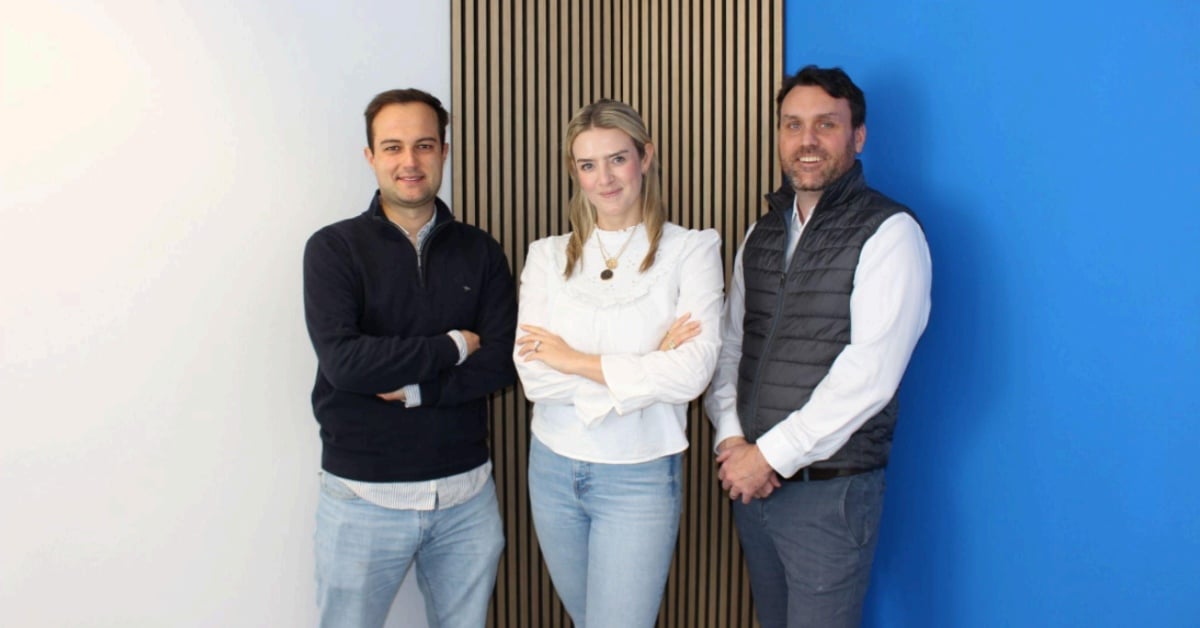
Founded in 2024 by Lorian Qorraj, Benjamin James, and Julia Beermann, Atrya is developing an on-chain infrastructure to support cross-border transactions, Agent-to-Agent Pay, refinancing, and e-commerce payments.
The company’s system is built on an e-money token architecture created with Dutch stablecoin provider Quantoz. The collaboration enables electronic money to function within blockchain-based payment systems that align with European regulation.
Atrya is working to enable programmable payments for Payment Service Providers (PSPs) and financial institutions. Currently, the platform is being tested with partners in Europe, the United States, Asia, and Latin America.
Lorian Qorraj, CEO of Atrya, says, “Today’s payments still run on old systems built 20–30 years ago. They operate like separate databases that don’t communicate and depend on networks such as Visa, Mastercard, or local systems like SEPA in Europe, ACH in the US or Pix in Brazil. These systems aren’t compatible, which makes payments slow and expensive.”
“Once money and settlements move fully onto the blockchain, we won’t need these middlemen anymore. Europe is lagging behind in payment innovation, and we see a massive opportunity to close that gap. Less than 0.5 per cent of international payments from Germany are settled using stablecoins today.”
Qorraj adds, “We are securing our MiCAR license, and unlike traditional PSPs, we’re building natively on-chain. We’re unlocking the next generation of groundbreaking payment use cases — the kind nobody has thought of yet, because for the first time, cash is digital and programmable.”
