

Correction, 16 September 2026: The original headline conflated the four musicians at the Decca audition with the later Beatles lineup. Pete Best played at the audition; Ringo Starr joined later.
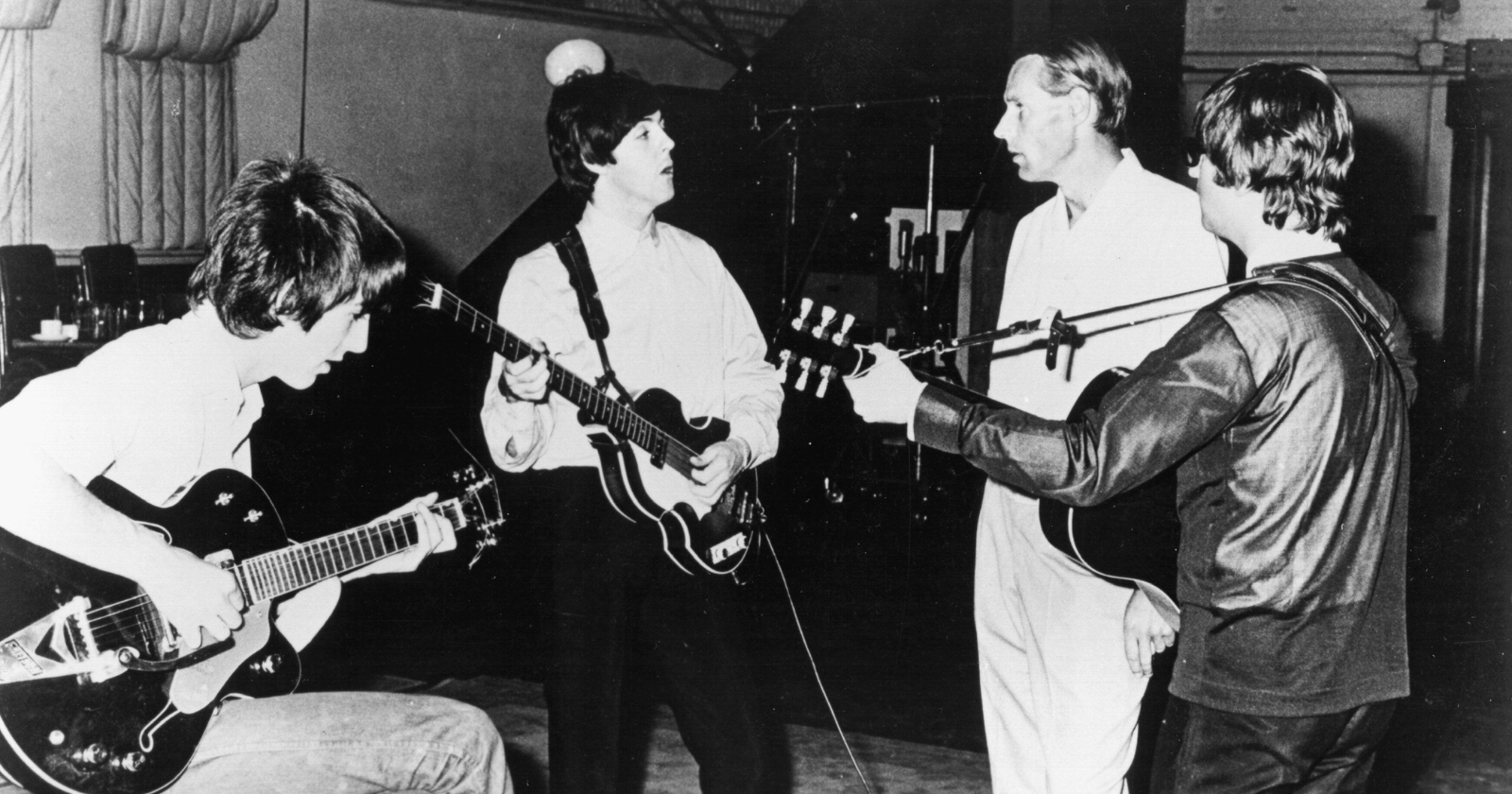
New Year’s Day, 1962. Four young musicians from Liverpool set up their gear in a London studio. They had driven ten hours through a snowstorm to get there. Their van driver got lost. They arrived so late on New Year’s Eve that, as John Lennon put it, they were just in time to watch the drunks jumping into the Trafalgar Square fountain.
The next morning, tired and nervous, they played 15 songs in under an hour for Decca Records. Then they went home to wait.
The four musicians were John Lennon, Paul McCartney, George Harrison and drummer Pete Best. And Decca said no.
“Guitar groups are on the way out”
The rejection took about a month to arrive, and it came with the most famous bad prediction in music history. According to Beatles manager Brian Epstein, Decca executive Dick Rowe told him that guitar groups were on the way out, and that the Beatles had no future in show business.
Rowe denied saying it for the rest of his life. Epstein swore he did, and George Harrison backed him up. Either way, the words stuck, and Rowe carried the title he never wanted: the man who turned down the Beatles.
But here’s the part almost nobody knows. The real reason Decca passed wasn’t taste. It was gas money.
Beaten by a shorter drive
Another band had auditioned at Decca that very same day: Brian Poole and the Tremeloes, from Dagenham, on the edge of London. Decca had budget to sign exactly one group. By Rowe’s own account, the choice came down to this: both bands were good, but one was local and one was from Liverpool, 200 miles away. A local band meant lower travel costs and easier meetings.
So the Tremeloes got the deal. The Beatles lost the biggest coin-flip in music history to travel expenses.
To be fair to Decca, the Beatles hadn’t played their best that day. Even Paul McCartney admitted years later, listening back to the tapes, that he understood the rejection — they were stiff and nervous, nothing like their wild live shows. Lennon, typically, disagreed and thought they sounded fine.
Epstein didn’t give up. He went back to Decca and made an offer that seems unbelievable now: he promised to personally buy 3,000 copies of any Beatles single the label released. Rowe later admitted that if Decca had taken that guarantee seriously, the sales alone would have forced them to sign the band — whatever they sounded like. Decca still said no.
The rejection that built the Beatles
Here’s the twist: the failed audition saved them. Epstein took the Decca tape to London record shops to have discs cut from it, and that errand led him, step by step, to a producer named George Martin at EMI’s small Parlophone label. Martin signed the Beatles in mid-1962. Within a year, “Please Please Me” was No. 1. Within two, they had conquered America.
The numbers after that stop making sense. The band Decca rejected later changed drummers, with Ringo Starr replacing Pete Best, and the Beatles went on to sell more than 600 million records, the most of any act in history. Even the rejected audition tape became valuable: five songs from that New Year’s Day session were finally released in 1995 on “Anthology 1” — which sold millions. Decca’s reject pile literally became a hit record, just for somebody else.
And the Tremeloes? They actually did fine. They scored a UK No. 1 in 1963 and had a solid run of hits. Nobody should cry for the Tremeloes. But nobody has ever made a movie about signing them, either.
The best “I’m sorry” in music
The story has one perfect ending. A year later, Dick Rowe was judging a talent contest in Liverpool, seated next to George Harrison — one of the four men he’d rejected. Instead of gloating, Harrison gave him a tip: go see this new London band we like, they’re called the Rolling Stones.
Rowe went. He signed them almost on the spot.
So the man who turned down the Beatles is also the man who signed the Stones, on the personal advice of a Beatle. It’s hard to think of a more graceful way to be forgiven — or a clearer sign that the guitar group, far from being on the way out, was about to run the world for the next thirty years.
