
Most people reuse the same passwords across dozens of websites
Most people protect their digital lives with a handful of passwords they've memorized—a security practice so common it's become catastrophic.

Work, careers, companies and money: how organisations, incentives and markets shape the way people work, earn and decide.
134 articles · Work & Money
Most people protect their digital lives with a handful of passwords they've memorized—a security practice so common it's become catastrophic.

A Dutch court sided with a worker who refused constant video surveillance, forcing his employer to pay damages—a warning shot across the evolving battle over remote work monitoring.

Across five studies of secondhand-market haggling, sellers were often more candid than buyers expected. Three minutes of small talk before the haggling narrowed the gap, and so did asking buyers to think about the seller's conscience first.

When work becomes your only mirror, you lose the ability to recognize when enough is enough.

Two relationship researchers followed 136 couples through a single November, asking both partners every Sunday how often they had discussed money and how well it had gone. Conversation quality showed a link to how satisfied each partner felt at the end of the month. Frequency showed no such link. The study was not preregistered, and its authors call the analyses exploratory.

When work won't leave your mind at dinner, it may not be ambition talking—it's a deeper need to prove your worth through constant availability.

Credit cards, payday loans, and pay-in-four products do not work identically. Research supports a careful account of compounding and miscalculation, not a moral claim that every borrower or every form of debt is foolish.

The trap isn't ambition itself—it's mistaking professional indispensability for personal significance, a confusion that leaves many retirees discovering too late that being essential at the office meant nothing once the office no longer called.
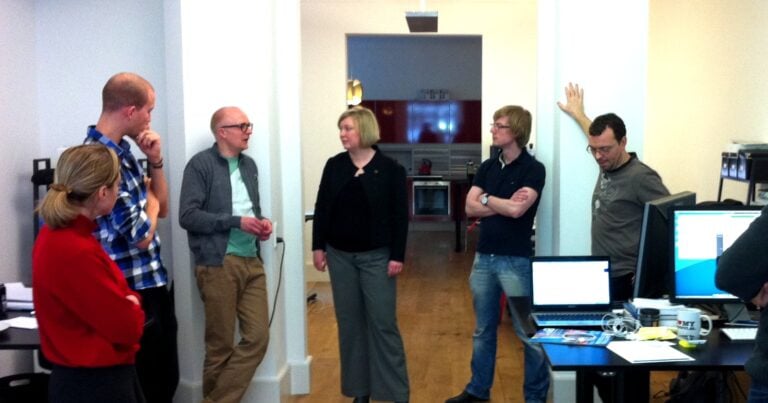
A study of 370 three-person teams varied who held the unshared information the group needed. Teams were less likely to reach the correct decision when the newcomer held it than when one of the originals did. A false status boost did not reliably change that, and the whole thing happened in a text chatroom rather than an office.

A preregistered experiment in Greece put the right answer within reach of anyone who read the screen, then varied who was said to have set the mark. The label changed how teachers marked when the mark was too harsh and left no detectable trace when it was too generous, and within the harsh version it reached significance among the younger, the better-qualified, the humanities-trained and the more tech-confident, not their counterparts.

Aging men and women aren't imagining their invisibility—they're finally experiencing the social erasure that comes when their economic value disappears.

A field study and T-shirt-folding experiment found that proactive teams performed better under less-extraverted leadership, but the mechanism and evidence have important measurement, generalisation and provenance limits.