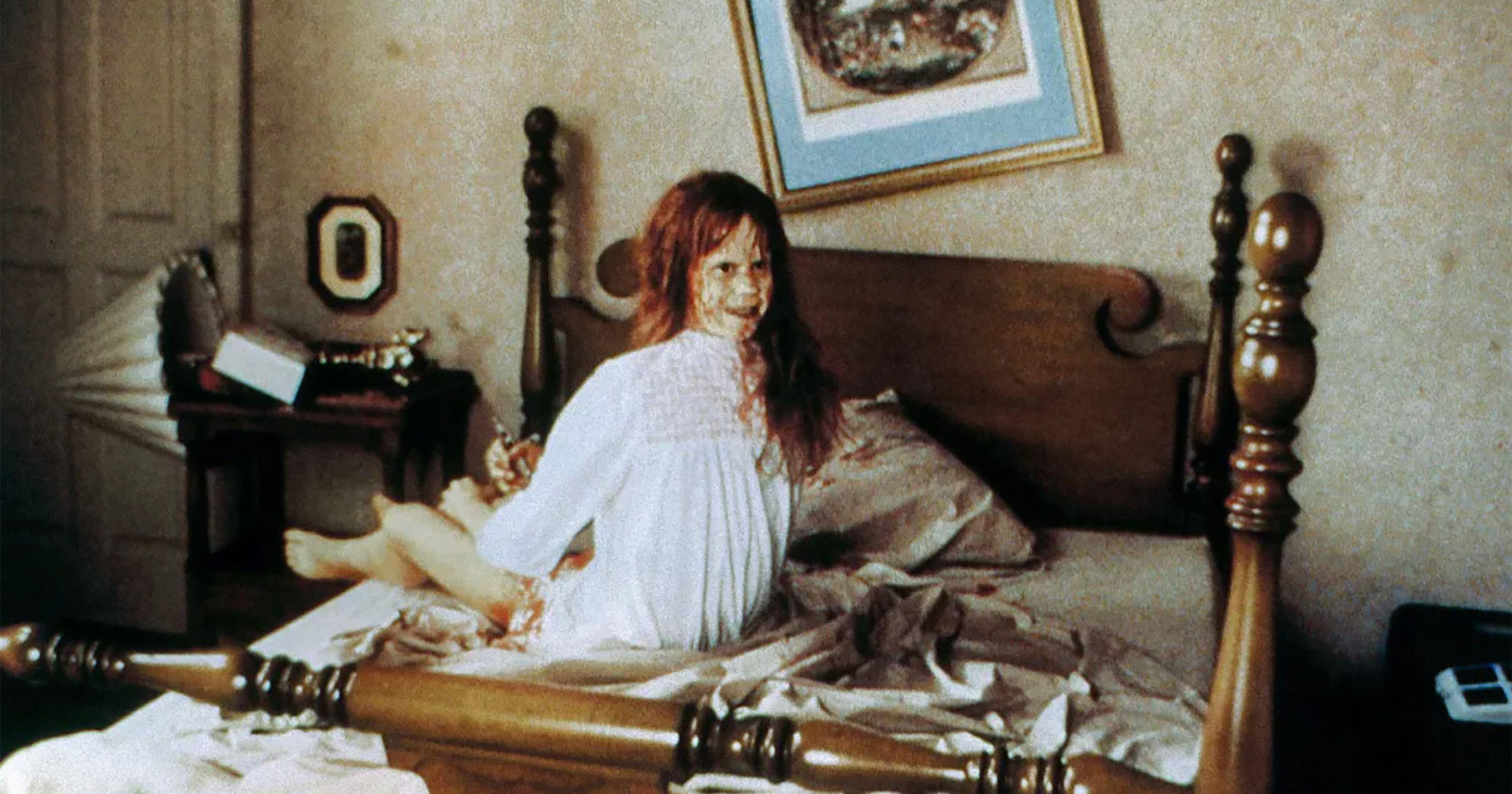
Four St John Ambulance crews once stood in a Cardiff cinema foyer, on duty, waiting for a film to start knocking people over.
They stayed busy. A dispatch from that week’s screenings, later reprinted by the South Wales Echo, records a man in his thirties bolting for the exit and being sick before he got outside. Three young women fainted into the arms of the St John crew. All but a handful of the 1,800 seats had been sold. The superintendent in charge said patrons had been coming out looking queasy all week. He added, almost as an afterthought, that the sequence doing the most damage was a real surgical procedure filmed without flinching.
Plenty of the same crowd laughed out loud at the swearing.
What the newspapers wrote down
Judy Klemesrud covered the queues outside Cinema 1 in Manhattan on a January night in 1974, for a New York Times piece headlined “They Wait Hours to Be Shocked”, later quoted at length in a LIFE retrospective on the film. Punters had been standing in sleet for up to four hours. A security guard told her that moviegoers had vomited in their seats, that others walked out shaking before the halfway mark, and that several had suffered heart attacks. He threw in a miscarriage for good measure. A follow-up account by SyFy notes that the cinema’s own director of operations had never heard of a single heart attack, though managers elsewhere confirmed the vomiting readily enough, largely because somebody had to clean it up.
Reports fed each other. Richard Woods, a Dominican priest at Loyola University in Chicago, told the same paper he had received dozens of calls from people who were badly frightened or losing their grip on things, and knew of two teenagers hospitalised after deciding they were possessed themselves. Billy Graham weighed in with the view that the devil occupied every frame of it.
Outside the doors
A 19-year-old housewife from Pentrebane came out of the Cardiff screening and asked to speak to a minister. She told the Echo reporter that she found the whole thing revolting and blasphemous, and that she would not sit through it again for a thousand pounds. An 18-year-old hairdresser who had gone along purely out of curiosity was still shaking afterwards.
Local clergy had seen this coming. A religious contingent stationed itself on the pavement at each screening, handing out leaflets attacking the film and printing phone numbers that distressed viewers could ring once they got home. Cardiff ministers were on record complaining that the film tormented anyone who watched it.
A psychiatrist wrote it up
“Cinematic neurosis” is not a phrase that turns up often in a medical journal. James Bozzuto used it anyway. Writing in the Journal of Nervous and Mental Disease in 1975, the Cincinnati psychiatrist described four patients who developed textbook traumatic symptoms after sitting through the picture, and argued that its themes of possession and lost impulse control could overwhelm anyone already carrying similar fears. Four case reports are four case reports, and prove nothing about the general population. What they do establish is that the panic ran far enough for a clinician to think it worth documenting in print.
The picture was engineered for this
None of it was luck. Sound designer Ron Nagle recorded swarms of agitated bees and the squeals of pigs being driven to slaughter, then blended both into the mix beneath Regan’s thrashing, as documented by Birth.Movies.Death. William Friedkin cut in single frames of a chalk-white demon face, too brief to register consciously. One viewer passed out, struck the seat in front of him on the way down, and sued on the grounds that subliminal frames sat outside the normal contract between a cinema and its customers. Warner Bros settled.
Fainting became the advertisement
Word travelled fast. Cinemas in several cities kept barf bags stacked at the concession stand and smelling salts within reach for patrons who went down mid-screening, as reported by the marketing firm Braithwaite Communications. Staff were briefed to expect walkouts long before the credits rolled.
Nobody in that queue was hoping for a pleasant evening.
That was the entire proposition. Every fainting, every ambulance idling at the kerb, every clergyman handing out leaflets on the pavement became free advertising that no studio could have bought at any price. The more punters who staggered out looking grey, the longer the queue grew behind them. Scalpers outside the Manhattan cinema were getting fifty dollars a pair for tickets, as recounted by Bloody Disgusting. Two hours of feeling genuinely unwell had turned into something worth queueing half a day and paying over the odds to experience.
Half a century of horror marketing has been chasing that loop ever since, mostly by manufacturing it. Paramedics on standby at press screenings, phone footage of people bolting from the stalls, warning cards handed out in the lobby. The 1973 version worked because nobody designed it and nobody could switch it off. A film opened at Christmas, and for one long season the most reliable review of it was whatever happened to the person in the next seat.