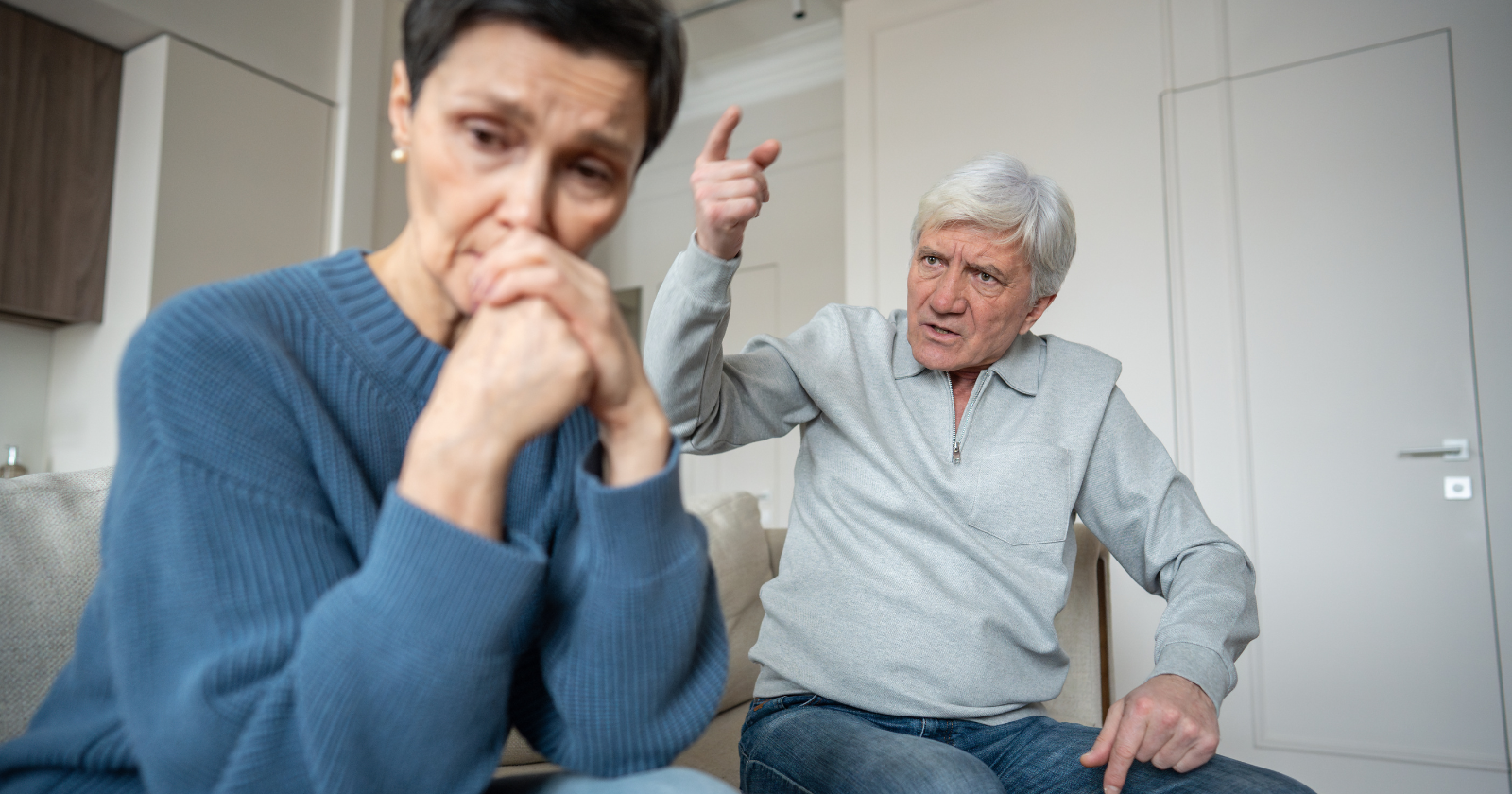
There’s a lunch I think about more than I’d like to. Four of us at one end of the table, working out whether the fifth person should still be driving. The fifth person was sitting right there. Eating his soup. Nobody asked him anything. When he finally said something, it came out with enough edge that the table went quiet, and later, in the car park, somebody said he’d “got difficult lately.”
He had. That part was true. What nobody said out loud was that the difficulty showed up about eleven months after we all started holding meetings about him.
We talk about older people turning cold like it’s weather. He used to be so easygoing. Now he’s hard work. As if a switch flipped somewhere around seventy. I’ve stopped believing that. What I see is people defending the last thing they’ve got left, and doing it badly, because nobody defends well when they’re frightened.
Difficult is almost always the second thing that happened
Here’s the sequence, and it’s boringly consistent. Something goes wrong. A fall, a diagnosis, a bounced cheque, a wrong turn on a familiar road. The family reacts, fair enough. But the reaction skips a step. Instead of asking what he wants to do about it, we decide what should be done about him, then present the decision like a weather report.
The car gets sold. The appointment gets booked. The bank card gets swapped for one with a limit. Each move is defensible alone. Stacked up over a year, they add up to a man discovering the meetings about his life no longer include him.
Then he snaps at his daughter-in-law over a casserole dish and everyone decides he’s changed.
There’s a name for that reflex, and we’ve all got it
Psychologists call it psychological reactance. In plain English: when someone takes away a choice you assumed was yours, you don’t calmly accept it. You get an unpleasant jolt of motivation to grab it back, usually mixed with anger. It’s the same machinery that makes a teenager suddenly desperate to see the one friend you’ve banned.
Nobody thinks a teenager pushing back has turned cold. We say he’s testing limits. Same behaviour at seventy-four gets filed under personality change.
The size of the reaction tracks how much the freedom mattered. Which is why it’s never the small stuff. It’s the car. The house. The money. The right to decide what time you go to bed in your own home.
The kindest voice in the room is often the problem
This is the bit that stung when I first read it, because I’ve done it. There’s a way people start talking to older people: slower, higher, sweeter, lots of we. Shall we get you into your chair? Have we taken our tablets? Researchers call it elderspeak, and the pattern holds up study after study. Older adults hear it as patronising. They rate the speaker as less respectful. And in care settings, the more of it staff use, the more residents resist care.
It sits inside a bigger pattern called benevolent ageism, prejudice wearing a cardigan. Unwanted help, protective decisions, endearments nobody asked for. One study found it predicted depression over and above the openly hostile kind.
You can love someone and still be the thing wearing them down.
Losing your vote isn’t just hurt feelings
In the seventies, two researchers ran a study in a Connecticut nursing home. One floor was told the staff were there to look after everything. The other was told the residents got to decide things: how their rooms were arranged, which night the film ran, whether they wanted a plant and who watered it. Small stuff, on paper.
The group with choices came out ahead on alertness, activity and general wellbeing. The follow-up found a mortality gap between the floors. It’s one study in one building and people have argued about it ever since, but it kicked off decades of work on perceived control in later life, and the direction of travel has held up. More recent work using long-run national data points the same way: older adults with less say in their own decisions fare worse physically, and the causal arrow appears to run from autonomy to health rather than the reverse.
So when someone digs their heels in about the car, they may be defending something more load-bearing than the car.
How to hand somebody back their vote
Say the quiet part first. “I’ve been making calls about you without you. That was wrong.” Watch what that alone does.
Bring the problem, not a verdict already reached in private: “The doctor flagged your eyesight, and I’m worried. Let’s go through the assessment and the options together.” The person should participate wherever capacity and circumstances allow, but driving must comply with local licensing law and qualified medical or road-safety guidance.
Leave the small freedoms alone. His shopping, his bedtime, his route to the market don’t need optimising. Every efficiency you win costs him a decision.
Give the hard choices structure instead of removing them. Two options he chooses between beats one option delivered.
And drop the voice. Talk to him the way you’d talk to a colleague you respect but disagree with.
None of this is a personality transplant. It’s a demotion being reversed. Running restaurants taught me people rarely quit over money. They quit when nobody consults them about their own work anymore. Turns out that holds between a kitchen and a life.