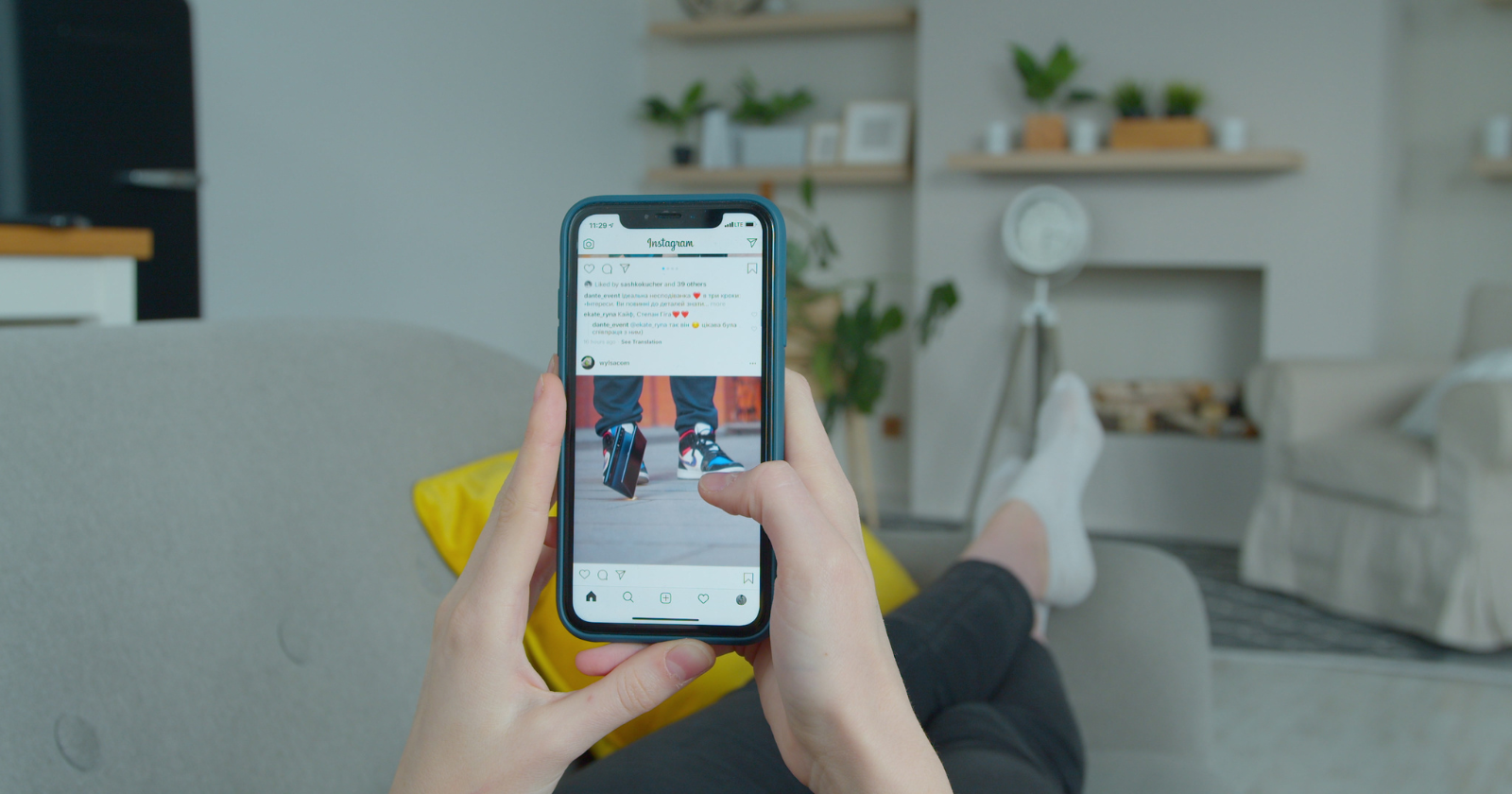
The lift in my building takes eleven seconds to reach the ground floor. I know because I once decided not to touch my phone during the ride, just to see if I could. My thumb was moving by second four.
That’s not a discipline problem, and it’s not really a phone problem either. Something in me wanted a job to do, because the alternative was eleven seconds of nothing. And nothing has a habit of handing you the exact thought you’ve been outrunning since breakfast.
People will shock themselves rather than sit still
There’s a study on this that still makes me laugh, uneasily. Researchers at the University of Virginia ran eleven experiments in which people sat alone in a plain room with nothing to do but think, for six to fifteen minutes. Nobody enjoyed it. They preferred almost any boring external activity instead, reading, watching something, anything with an outside source.
Then the part everyone remembers. Given the option, a good number of participants chose to give themselves a mild electric shock rather than keep sitting with their own thoughts. They’d already tried the shock beforehand and said they’d pay money to avoid feeling it again. They pressed the button anyway.
Most of us prefer doing something to doing nothing, even when the something hurts.
Noise works, which is exactly the problem
Psychologists have a clunky term for this: experiential avoidance. In plain English, it means dodging your own internal weather. Not the storm outside, the one inside.
A thought turns up. It feels bad, so you find something to do until it goes away.
And here’s the trap. It works. The podcast goes on, the feed refreshes, the dishwasher gets unloaded, and the discomfort genuinely dips. Your brain files that as a win and reaches for the same move faster next time. Short-term relief is a brilliant teacher of long-term habits.
Which is why the person with three tabs of noise running at all times is rarely lazy or scattered. They’re usually competent, busy, and working hard, quietly, at not being alone in a room with themselves.
Where the mind goes when you let go of the wheel
Part of the reason quiet feels risky is that the mind doesn’t stay put. Harvard researchers sampled people’s thoughts through the day using a phone app and found that minds wander about 47 per cent of waking hours, and people reported feeling worse when they wandered, even to pleasant topics.
What struck me most was the ranking. How often your mind left the present moment predicted happiness better than what you were actually doing at the time. It’s correlation, not causation, worth remembering before you diagnose yourself. But the shape of it rings true.
So when the room goes silent, you’re not being handed peace. You’re being handed a wandering mind with no railing on it, and it tends to drift toward the unfinished conversation, the awkward email, the thing about your family you haven’t looked at directly in a while.
Stillness feels flat before it feels good
I got a crash course in this after I sold my restaurants during the pandemic. Years of service-industry noise, then nothing. No early supplier calls, no Friday-night chaos, no problem waiting to be solved by me specifically.
I expected relief. What I got, for a while, was a strange grey flatness I kept trying to fix with projects.
Turns out that’s normal. Research on solitude found a deactivation effect: time alone turns down high-energy feelings in both directions. Anxiety and excitement both drop. The volume goes down on everything, which can read as calm or as emptiness depending on how you got there.
The interesting bit is the moderator. When people actively chose to be alone, solitude produced relaxation and less stress. Imposed quiet feels like a punishment. Chosen quiet feels like a room you walked into on purpose.
What to do about it, without turning it into a hobby
I’m not going to tell you to meditate for an hour. I wouldn’t do it either. Four small things have actually held for me.
Leave the gaps alone. The lift, the kettle, the pharmacy queue, the ninety seconds before a meeting starts. Don’t fill them. That’s the whole practice, and it’s free.
Name the thing in one sentence. When the quiet coughs something up, write it down plainly: “I’m worried I made the wrong call about the move.” Vague dread is heavy. A sentence is portable.
Give the worry a slot. Ten minutes, same time daily, the only job is thinking about the thing. Sounds silly. Works surprisingly well, because most avoidance is really a fear of being ambushed. An appointment isn’t an ambush.
Choose it rather than suffer it. Walk without headphones because you decided to, not because your battery died. The decision does most of the work.
The thing under the noise is usually smaller than the noise
I’ve written before about how much adult loneliness is really just solitude we never got any practice at. This is a cousin of that. We’re not fragile. We’re simply out of reps.
Most of what surfaces in the quiet isn’t a monster. It’s a decision you’ve been postponing, a person you owe a call, a slow leak of resentment you haven’t admitted to. Ordinary stuff. Manageable stuff, mostly.
It only grows teeth in the dark, and the noise is what keeps the lights off.
So try the eleven seconds. Don’t brace for insight, don’t expect calm, just find out what turns up when you stop drowning it out.
Whatever it is has been waiting patiently. It can probably be handled in an afternoon.