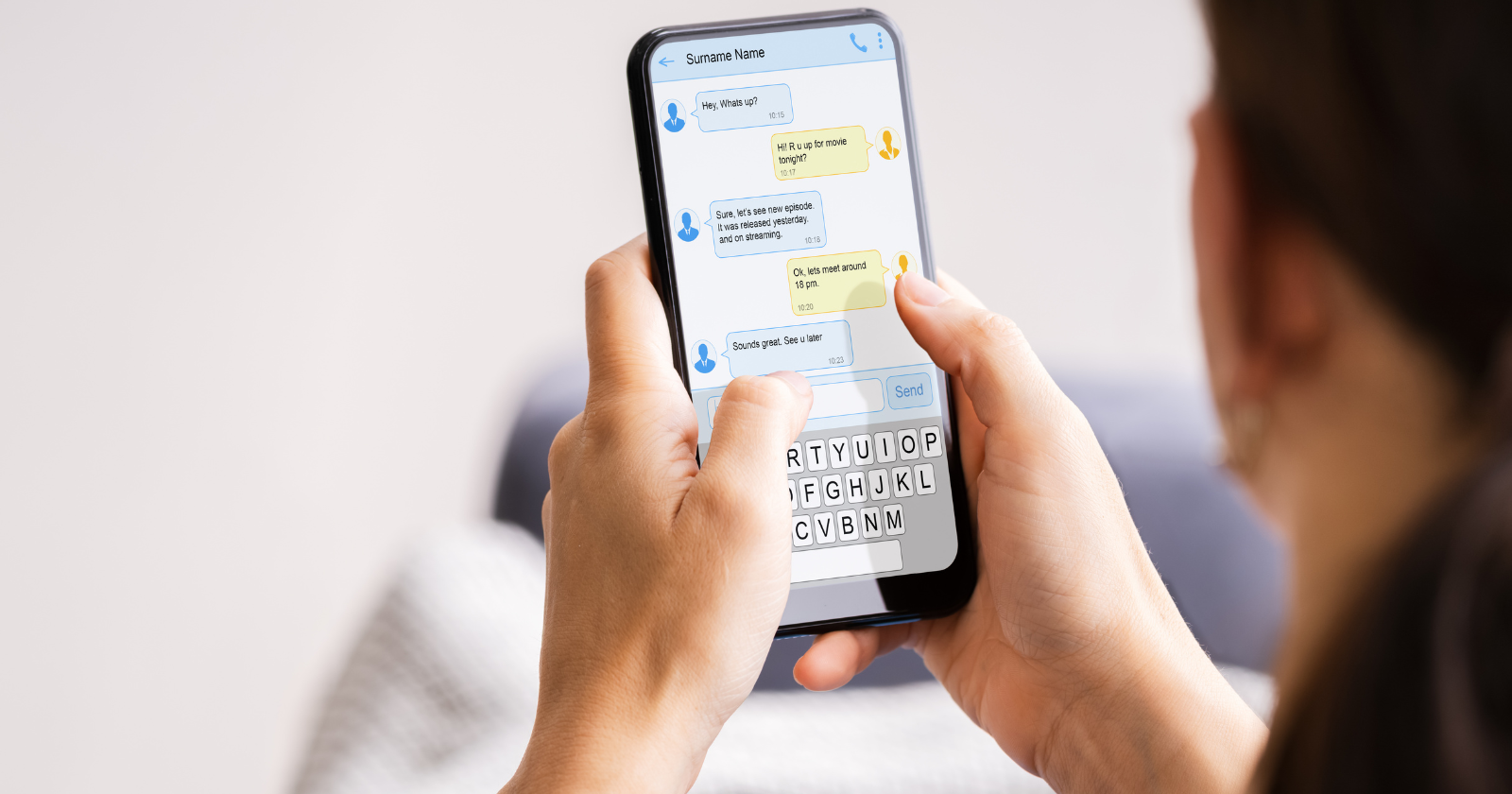
My phone is face down on the table, which is the lie I tell myself about being present.

I sent a message two hours ago. Nothing since. I have picked the phone up four times, and each time I framed it as something else: the weather, the exchange rate, whether my flight had moved.

Here’s the honest part. I’m not anxious about the message. I’m anxious about the gap.

Silence used to mean something

There is a name for this reflex. Psychologists call it rejection sensitivity, which Downey and Feldman defined in 1996 as a tendency to anxiously expect rejection, spot it quickly, and react hard once you think you have found it. Their studies showed that people who scored high on it read deliberate rejection into behaviour that was merely ambiguous.

Attachment researchers describe similar machinery from a different angle. People high in attachment anxiety run what the literature calls hyperactivating strategies: a standing vigilance for cues of rejection, tuned so finely that very little evidence sets it off.

Stripped of the jargon: if you learned early that quiet meant someone was about to go cold, leave the room, or stop showing up, your nervous system filed silence under danger. It never reopened the file.

None of this is new, incidentally. The psychoanalyst Karen Horney was writing about it in 1937. Among the slights she listed as capable of wounding such a person: a changed appointment, having to wait, no immediate answer. She managed all that without a phone.

So it’s not a character defect. It’s an old smoke alarm that once worked.

Mine got installed late, and on the job. In the restaurant years, silence from a landlord or a bank was almost never neutral. Good news came fast. Bad news came slowly, or not at all, until the nothing became a letter.

Lessons like that don’t know which room they’re in. That one still turns up in conversations with friends, where it has no business.

The waiting is the expensive part

A study out of University College London put people through a task where they might receive an electric shock, then tracked their stress through cortisol, sweat and pupil size. What predicted their stress was the not knowing: stress rose with uncertainty, peaking when the odds sat near even and easing once a shock was guaranteed.

One study, one lab, and shocks aren’t text messages. Still, it matches what everyone already knows. Waiting for the results is worse than the results.

An unanswered message is a coin held mid-air. So your brain, trying to help, calls it for you. It writes an ending.

And you’ve never once written the boring ending, which is nearly always the correct one. They’re driving. They’re in a meeting they resent. The phone is at eleven per cent in a bag under a chair.

Why it hurts more than it should

In a much-cited experiment from 2003, volunteers played a ball-tossing computer game while being scanned, and were then quietly frozen out of the game. Being excluded raised activity in the anterior cingulate cortex, an area involved in physical pain, and the more active it was, the worse people said they felt.

I’d treat that as a clue, not a conclusion. It’s one small study, and researchers have argued ever since about how far the physical pain comparison actually goes.

But it does explain why telling yourself to relax achieves nothing. You can’t reason with an alarm. You can only work out what tripped it.

What helps while the phone stays quiet

Say the gap out loud. Not the story, the gap. “She hasn’t replied and I’ve written four endings.” That single sentence turns the feeling into an observation, and observations are far easier to question than feelings are.

Ask for a pattern instead of a promise. “Do you still want this?” invites reassurance, which wears off in a day. “What’s your normal reply time when you’re at work?” invites information, which doesn’t. People answer the second question honestly because it costs them nothing.

Broadcast your own delays. A three-word warning that you’re going quiet is free, and it teaches the other person that silence in your direction is usually just weather.

Last one, and the one I actually use. Put a floor under the wait. Four hours, phone in a drawer, no negotiating. Long enough that the ending you wrote gets contradicted by reality before you can act on it.

Mine got contradicted, for the record. She had been at the dentist. The reply, when it came, was a photograph of an X-ray and a rude opinion about the hygienist.

I had spent two hours drafting a conversation about distance. She had spent them with her mouth open under a lamp.