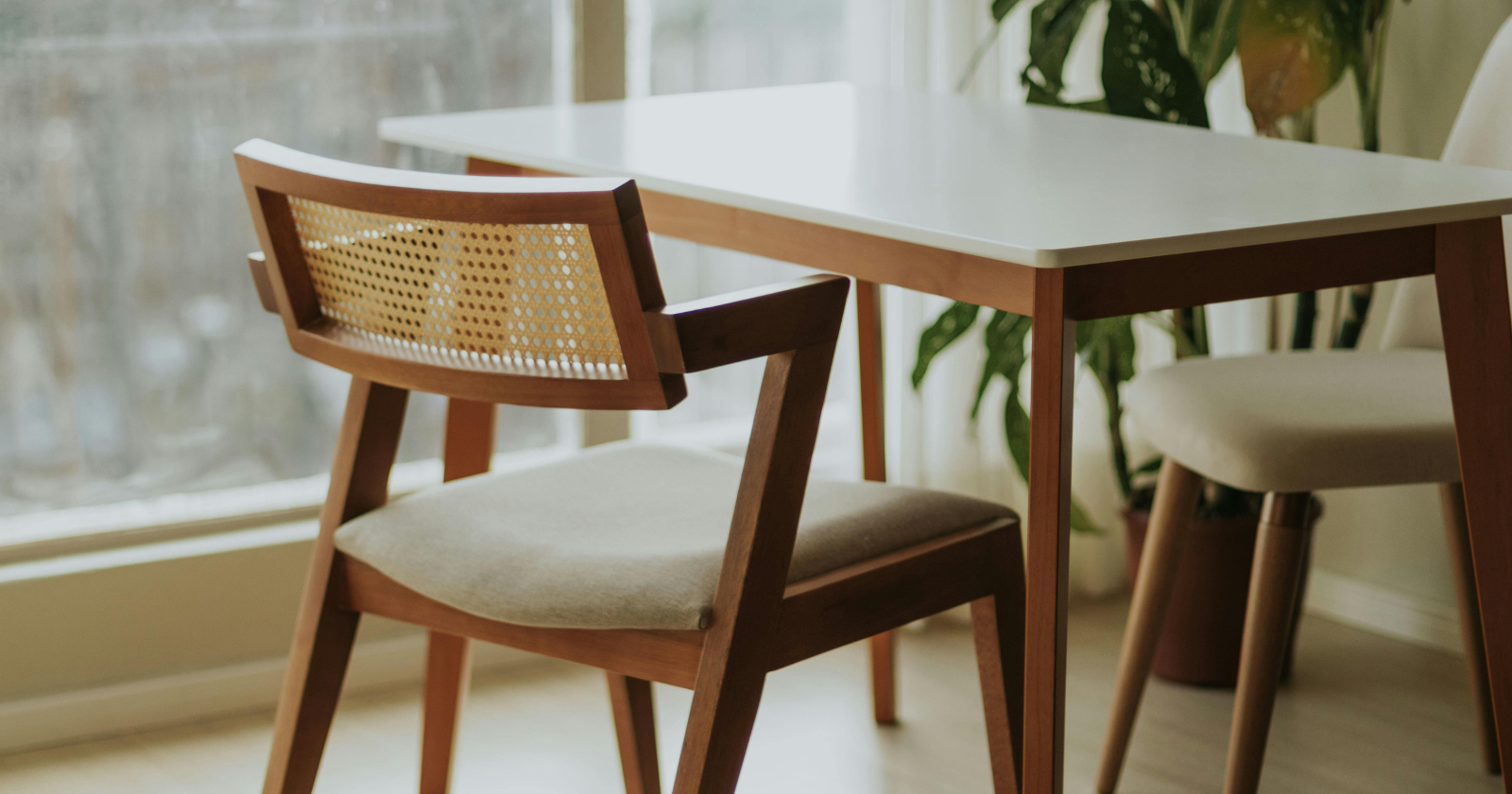
Last week I watched a bloke in a near-empty café stand up, sling his bag over one shoulder, and then, before he walked out, quietly slide his chair back under the table. Nobody clocked it. The barista had her back turned. Two other customers were buried in laptops. He wasn’t fishing for a nod or a smile. He did it because, apparently, that is just what he does.
I found it oddly moving, which probably tells you more about the week I was having than about him.
The chair was never the point
Let’s be honest about the gesture. As acts of virtue go, pushing a chair in is aggressively minor. Nobody gets a statue for it. It costs you half a second and precisely zero dollars, and it improves the world by roughly one tidy table.
So why did it stick with me?
Timing. He did it after the room had emptied of anyone who might care. No social credit was on offer. That missing audience is the entire story, because we are wired, all of us, to be slightly better people the second we suspect somebody is looking.
We behave when we think we’re being watched
There’s a small, famous study I keep coming back to. A university common room in Newcastle ran an honesty box for tea and coffee: no cashier, just a price list on the wall and a jar for your coins. Some weeks the researchers taped a photo of flowers above the list. Other weeks they taped up a photo of a pair of eyes. Same coffee, same prices, same trust system.
On the weeks the eyes were watching, people paid nearly three times as much.
Nobody was there. It was a printout. A picture of eyes was enough to make a room full of grown scientists suddenly remember they owed forty pence for their tea. (Later researchers argued the effect is smaller and wobblier than the headline makes out, and they have a fair point. But the basic human setting still holds: put us under a gaze, real or cardboard, and we clean up our act.)
That coffee jar wasn’t a one-off, either. Researchers have since stuck pictures of eyes near bike racks and watched theft drop, and printed them in canteens and watched people litter less. A cartoon face on a wall does genuine work, which is a slightly grim thing to learn about your own species.
So the private version is the real you
Which is exactly why the unwatched chair means something. There’s an old line about integrity being what you do when nobody’s watching, and it ends up on motivational posters because it happens to be true. Character is just your behaviour with the audience subtracted.
Anyone can be lovely for a camera. The interesting number is what’s left when the camera is off. Someone who chases you down the street because you dropped a twenty. A person who tells the waiter they’ve been undercharged. A driver indicating on an empty road at 2am out of sheer habit. None of them are collecting points. That is what makes them worth paying attention to. The credit-free version of a person is the only accurate one; everything else is marketing.
What running a restaurant taught me about this
I ran a small chain of restaurants for years before I sold up, and if one skill survived the whole experience it’s reading a table in about ten seconds.
The tell was never how a customer treated me, or the head waiter. Of course they were charming to us. We controlled the wine and the reservation. What gave people away was how they treated the seventeen-year-old clearing the plates, the kid with no power to comp a dessert or lose anyone’s table.
Some diners stacked their own plates, learned the kid’s name, said thanks, pushed the chair in on the way out. Others clicked their fingers at him like he was a vending machine. Same menu. Wildly different humans. And for the record, the finger-clickers often tipped perfectly well, because being generous where everyone can see it is the easy bit. The chair is the harder thing.
Which is not to say the read is ever perfect. One regular, a lovely woman who over-tipped every time, always left her chair skewed halfway across the aisle so a waiter had to shift it before the next booking. She’d have been mortified to know. Nobody is a single data point. But the pattern, watched over months, gets very hard to argue with.
The small stuff is not actually small
Psychologists have a slightly clinical name for this cluster of habits: conscientiousness. It’s one of the big five personality traits, and it covers all the unglamorous virtues, order, follow-through, doing the boring right thing when nobody’s chasing you for it.
Here’s the part that surprised me. Conscientiousness turns out to be one of the strongest predictors psychology has of a good innings: longer life, better health, steadier work, relationships that go the distance. It beats most of the traits we tend to obsess over. Charisma doesn’t do it. Raw intelligence doesn’t either. The dull, dependable stuff wins the long game.
I want to be careful here. Pushing a chair in will not add a decade to your life. It’s a marker, not a magic trick. But the habit of doing the tiny right thing when it doesn’t count tends to keep company with the habit of doing the big right thing when it does. That chair is a symptom of something larger and quieter running underneath.
The trap is doing it for the credit
Now for the catch, and it’s a real one. The moment you push a chair in and glance around to check who noticed, you’ve turned the whole thing back into a performance, and the meaning leaks straight out. You cannot fake this one on purpose. Put an audience in your head and you’ve rebuilt the audience.
The flip side matters too. Please don’t become the person who silently judges everyone who leaves a chair out. Plenty of decent people are exhausted, or wrangling a screaming toddler, or simply didn’t think about it, and their souls are fine. This isn’t a morality test to run on strangers. It’s a quiet question to run on yourself.
And the only honest way to build the habit is the boring way: do the small right thing when the room is empty, over and over, until it stops feeling like a decision and your hands just do it. Nobody hands out medals for this. That, annoyingly, is the whole point.
I still think about the café bloke. Wherever he is, he has no idea anyone saw him. Which is precisely why I’d trust him with my keys.