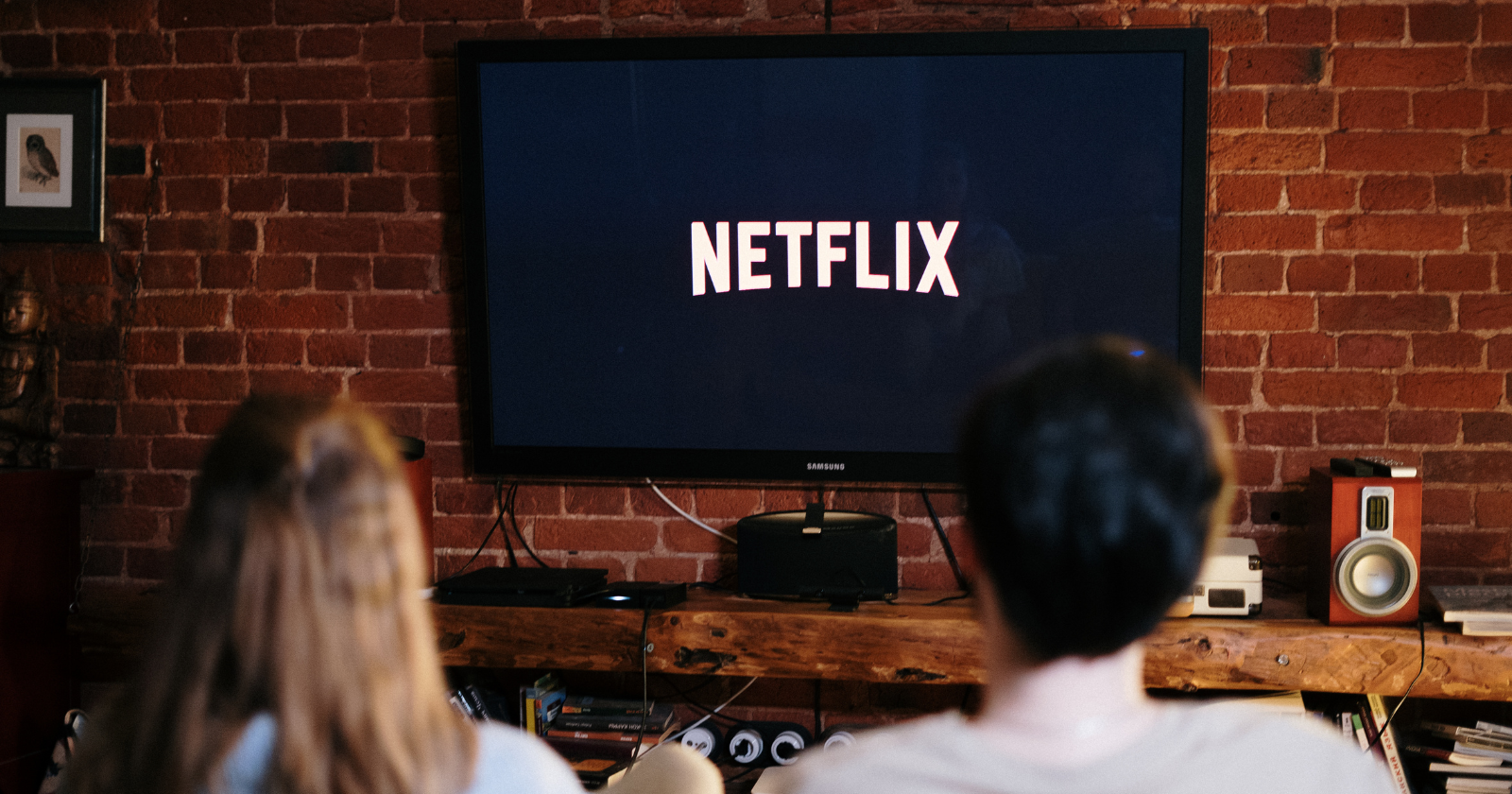
There is a film I have seen so many times I could recite the dialogue while doing the washing up, and once, embarrassingly, I did.
I know the exact frame where the light shifts. I know which joke lands and which one never did. Nothing in it can hurt me.
For a long time I filed this under small personal failures. A man in his late thirties with a planet of unseen cinema on demand, and there I am again, watching the one whose ending I could draw from memory.
Then I read the research. What I’d been calling a personal failing turns out to be maintenance.
You are not watching a film, you are booking a room
Two researchers, Cristel Russell and Sidney Levy, gave this behaviour a name in a 2012 paper in the Journal of Consumer Research: volitional reconsumption. Clunky term, simple idea. It means deliberately choosing to go through an experience you have already had: rereading a novel, revisiting a city, pressing play on the same film for the ninth time.
What their interviews turned up was that people were not doing this out of habit. They were doing it with intent. They knew precisely which emotion they were shopping for, and they knew the film would hand it over. No browsing. No twenty minutes of scrolling before giving up.
Russell and Levy call this emotional efficiency. I would call it booking a room whose layout you already know before you walk in.
The comfort is the certainty, not the story
Here is the part that surprised me. Knowing the ending does not ruin anything. It might improve it.
In 2011, two psychologists at UC San Diego handed people short stories, some intact and some with the twist given away in advance. Readers rated the spoiled versions higher. Even the mysteries. Even the ones built entirely on a last-page reveal.
Their explanation was fluency, which in plain English means your brain finds the thing easy to process, and easy feels good. When you are not burning attention on who is lying and what happens next, you have some spare for everything else in the frame.
So on a day when your head has already processed an unreasonable amount, a familiar film costs less to run, and on those days that’s what matters.
It is company, not just content
Underneath all this is something stranger.
A 2009 study led by Jaye Derrick tested what psychologists call the social surrogacy hypothesis, which is the idea that a beloved show can partly stand in for actual human company. People reported turning to favourite programmes when lonely, and feeling less lonely afterwards. Thinking about a favourite programme also cushioned the drop in mood and self-esteem that normally follows a fight with someone close.
The catch is that this only worked for favourites. Having the telly on in general did nothing. The heavy lifting came from familiarity with specific characters, the ones you have effectively spent years around.
Which is why nobody rewatches a film they merely respected.
Why it kicks in hardest on your worst days
Derrick ran a follow-up in 2013 with a tidy result. After people had been made to exercise a lot of self-control, they gravitated towards familiar fictional worlds, and afterwards did better on the next task requiring discipline.
I recognised myself immediately. When I still had the restaurants, I would get home after a fourteen-hour service having said yes, calmly, to about two hundred requests. Supplier problems. Roster gaps. A customer with strong feelings about the lighting.
I did not want a challenging film. I did not want to think particularly hard. I wanted the one where I knew the ending and nobody needed anything from me. I had run out, that’s all.
That is not avoidance. It is a decision to spend the last hour of the day somewhere with no decisions in it.
The point where it stops helping
I will not pretend there is no downside. Derrick has said as much herself: turning away from real people for the solace of television can leave you with fewer resources over time.
My test is simple. Am I visiting the room, or have I moved in?
Rewatching after a brutal week is repair. Rewatching to dodge a conversation you have been avoiding for a month is not. Identical behaviour, different function, and only you can tell which is running.
The other quiet cost is that a diet of pure familiarity means you never accidentally fall for anything new.
How to use it on purpose
Pick your room in advance. Choose the film before you are tired, because a depleted brain scrolls instead of choosing, and scrolling is the opposite of rest.
Give it an ending. One film, or two episodes. Autoplay is not comfort, it is drift.
Watch it properly. Phone out of reach. That fluency benefit evaporates if you are only half in the world.
And pay attention to what you reach for, because it is data. Whatever you keep returning to is telling you what you are short of. Order, maybe. Being looked after. People who make things funnier than they are.
Mine is about a group of people who fail at something together and stay friends anyway. Make of that what you will.
A small reliable room is not evidence you have given up on the world. For some of us it is how the world stays bearable enough to walk back out into.