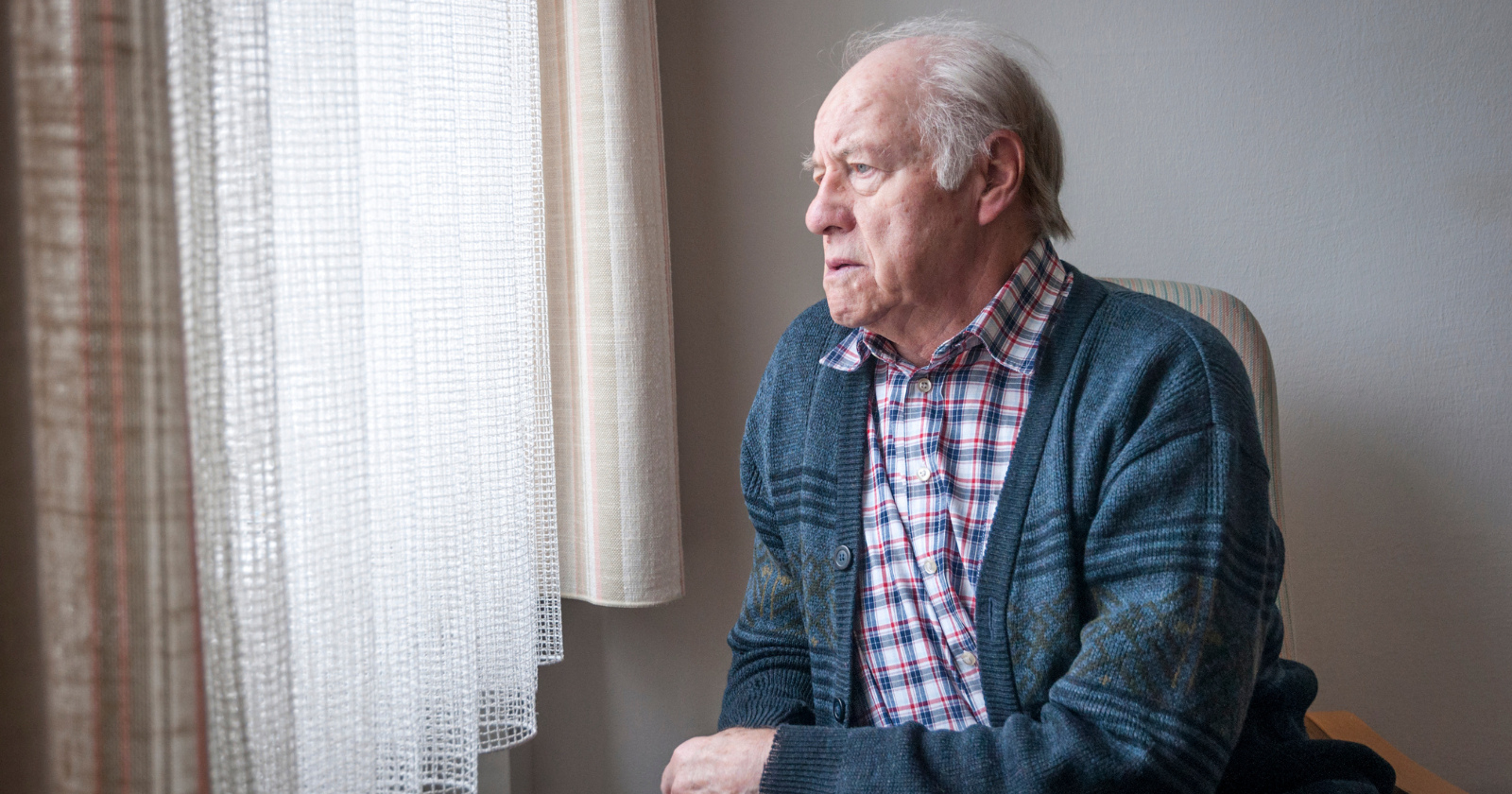
Why retirement can expose an imbalance in long-standing friendships
My grandmother knew everyone’s blood type. Her kids, the grandkids, the cousins who weren’t technically cousins, the neighbour two doors down. She kept it all in her head like a switchboard operator who never got to clock off. Somebody sick, somebody broke, somebody in a fight with somebody else, she was the first call. She was the first call for about forty years.
She died in a house full of people, and I’m not sure one of them could have told you what she liked to do on a Sunday.
That’s the bit that stuck with me. She wasn’t unloved. She was adored. But being adored and being known are different things, and she’d spent so long as the fixed point everyone else spun around that nobody thought to ask what she spun around herself. I suspect the answer was nothing. She’d never got round to building one.
There’s a kind of loneliness that doesn’t look like loneliness, and it tends to belong to the most generous person in the room. The research has a lot to say about her.
Being surrounded by people is not the same as being seen
Psychologists separate two things the rest of us lump together. Social isolation is the countable stuff: how many people you see, how often, whether you live alone. Loneliness is the feeling that the connection you have isn’t the connection you need. The European Commission’s research arm puts it plainly: isolation is an objective state you can measure, loneliness is a subjective one you feel.
Which means you can ace the first test and flunk the second. As the Harvard epidemiologist Tyler VanderWeele described it in an interview on the subject, plenty of us spend heaps of time around others and still feel that none of it meets the need to be understood or wanted. Company is not the cure. Sometimes it’s the disguise.
My grandmother would have laughed at a survey asking if she was isolated. She saw more people before lunch than I see in a week. Seen, though? That’s a different question.
The people who give and give and never bank anything
There’s a name for her pattern. Psychologist Dana Jack called it self-silencing: putting everyone else’s needs first on reflex, swallowing your own opinions to keep the peace, and measuring your worth by whether everyone around you is okay.
Three decades of studies have tied the habit to higher rates of depression. The self-silencer isn’t short of relationships. The problem is that every one of them runs in a single direction. She’s the shoulder, the bank, the taxi service, the unpaid therapist. Support flows out of her and barely a trickle comes back, partly because she has trained everyone in her life to believe she doesn’t need any.
I recognise the type on sight, because I spent years running restaurants and I hired a hundred of them. Every kitchen has one. The person who covers everyone’s shifts, remembers everyone’s order, clocks when a colleague is having a rough week, and never once asks for the Saturday off. Lovely to manage. Impossible to help.
Why retirement pulls the rug out
For most people, the research on retirement loneliness points at one thing above the rest: losing the role. A survey of that literature finds that the loss of your working identity, and the social ties bundled up with it, is among the strongest predictors of feeling lonely once you stop. Your job wasn’t only paying you. It was telling you who you were and handing you people to be that person around.
Now apply that to the family fixer. She gets no leaving do. Her retirement arrives as a slow emptying of the house. The kids grow up and move out, sometimes to other countries. In my family they scattered across the map, which is a very Filipino thing to do. I got shipped off to boarding school in Australia. The switchboard stayed open. Fewer and fewer people rang.
Towards the end she still cooked enough for twelve and ate alone at a table built for a crowd. She would ring me in Bangkok to ask whether I was eating properly, which was her way of asking whether anyone still needed her to worry about them. I always said yes. It was about the only currency we had left, and I think we both knew it.
The cruel maths of it is that the more your sense of self was fused to being needed, the harder the fall when the need dries up. Being useful was the whole relationship. When the usefulness ended, the connection tended to go with it, and nobody had warned her the two were the same thing.
You can be the giver and still build a self
None of this is an argument against generosity. The generous ones are the good ones. It’s an argument for keeping a little back for yourself, so there’s a self left standing when the giving slows down. A few things I’ve watched work, and a few I’m trying to learn before it’s my turn.
Have one thing that is entirely yours and useful to nobody. A hobby with no deliverable, no audience, no one to feed. Learn the ugly watercolours, join the walking group that goes nowhere in particular, build the thing nobody asked for. It sounds trivial. Years from now it might be the only part of your life that doesn’t depend on someone else showing up. My grandmother never had this. Every last thing she did was in service of someone else, which is lovely right up until the someones are gone.
Practise being on the receiving end. Let people carry your bag, buy your coffee, book your appointment. The giver who refuses all help keeps the ledger permanently one-sided, and a one-sided ledger is a lonely document. Most givers find this excruciating, because accepting help feels like an imposition. But every time you let someone do you a favour, you hand over a small piece of the job you have been hoarding, and people rather like being handed the job.
Build a friendship or two that has nothing to do with your usefulness. The test is simple. If you had nothing to offer tomorrow, no favours, no fixing, no free labour, who would still ring? Those are your people. Everyone else is a customer.
And say the inconvenient thing now and then. Self-silencing runs on never being a bother. The cost of never being a bother is never being fully known, which is the exact loneliness we started with.
What I took from a woman who never got asked
I’m thirty-eight. Retirement is a rumour I hear about from other people. But I sold my business a few years back, and even that small ending showed me how much of me was wrapped up in being the one who ran things, who solved it, who got the call. When the calls stopped, the silence was louder than I expected.
So these days I notice which of my friendships would survive me being useless, and I let people buy me lunch even when it makes my skin crawl. It’s harder than it sounds. My grandmother could have told me that, if anyone had ever thought to ask her what she wanted for lunch.
Now watch
Why so many people feel invisible after 60:
Free field brief
The Empire File
How money, ownership, and power actually move behind the companies you think you know. Built for people who watch our documentaries. Sundays you also get The Undercurrent.
Written by
Daniel Moran
Daniel Moran covers technology, digital life and culture at Silicon Canals. His reporting focuses on how people build modern systems and how those systems affect the way people work and live.