The best hire I ever made was a chef in his sixties. Bad knees, worse temper, knife skills that made the insurance company nervous.
One Friday the walk-in freezer died at four in the afternoon with a full book for the evening. I found out at eleven that night, after service, because he had already shifted everything onto ice, rewritten half the menu on the specials board and rung a supplier he had known since the eighties.
My younger cooks would have come and found me first. Not out of laziness, and not because they lacked skill. It simply would not have occurred to them that the call was theirs to make.
I have chewed on that difference for years. It isn’t grit, or character, or any of the other words we throw at it. It is narrower and odder than that.
He had a voice in his head that could act as the adult in the room. Most of us under fifty are still waiting for that adult to turn up.
What the voice actually is
Psychologists have a boring name for the neighbourhood this lives in: locus of control. It measures whether you feel your life is steered by you, or by things that happen to you.
And it has moved. One large review of studies tracked it: between 1960 and 2002, young Americans drifted a long way toward the “things happen to me” end. The average university student in 2002 sat further along that scale than 80% of students in the early sixties.
The same review linked that end of the scale to helplessness, poor stress management and depression.
That is a big shift in forty years. Nobody’s genes changed. The conditions did.
Nobody was coming, so something had to grow
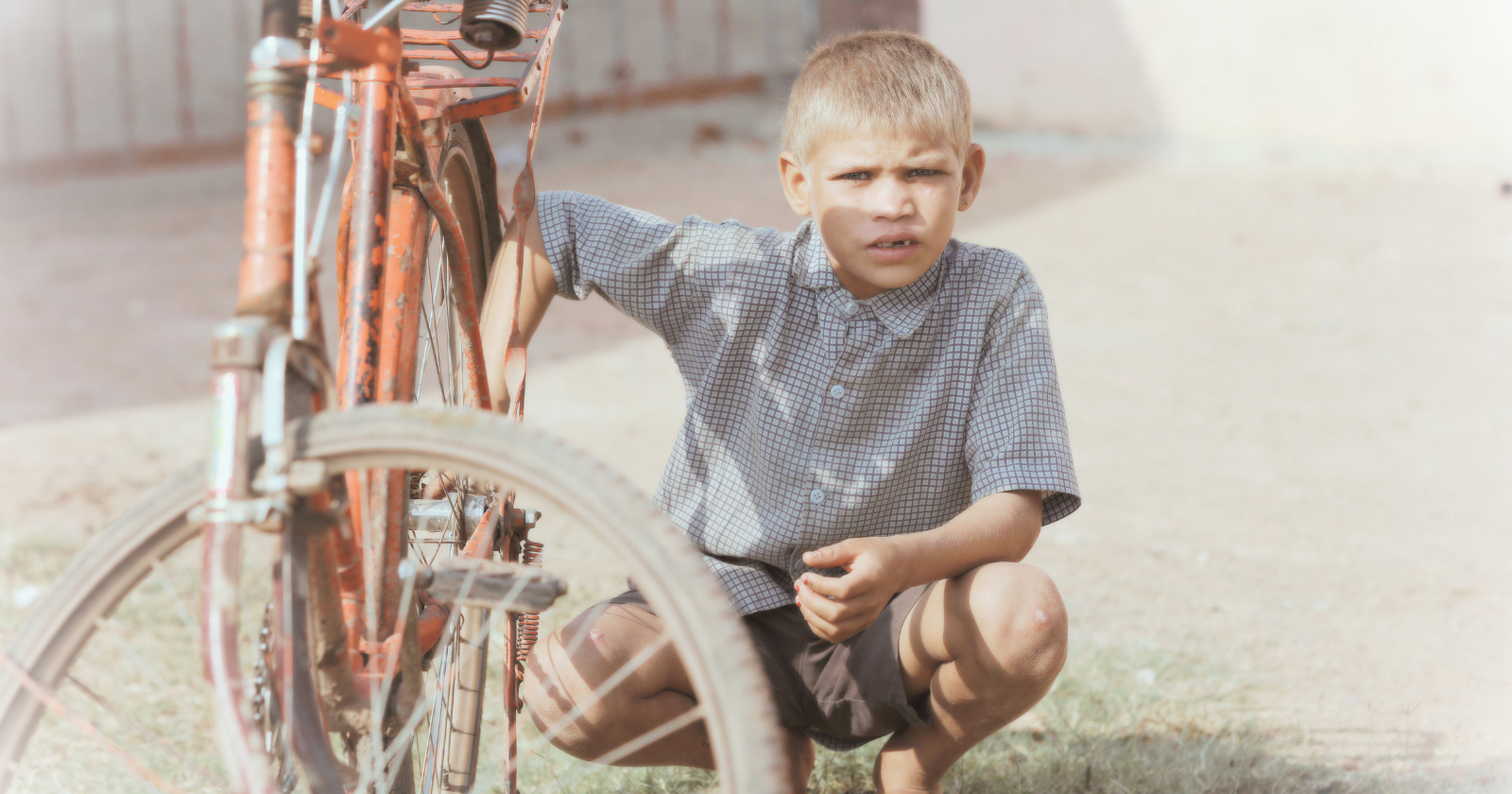
Here is the statistic that reorganised my thinking on this. In England in 1971, roughly 80% of seven and eight year olds got themselves to school with no adult. By 1990 that figure was 9%.
Stay with what the first number actually means. An eight year old judging traffic. Settling a dispute over a football with no referee. Deciding whether a grazed knee is a go-home injury or a keep-playing injury. Getting it wrong sometimes and living with it.
Researchers who reviewed decades of this evidence argue that the loss of exactly that kind of unsupervised time is a leading suspect in the rise of anxiety and depression in kids, among several.
I got a crude version of the same schooling by accident. I grew up in Manila and was packed off to school in Australia at thirteen. Whatever went wrong on a Thursday in March, nobody was flying in to sort it. You become your own adult reasonably fast, or you have a long, miserable term.
How the voice gets built
Watch a four year old doing a puzzle and you will hear them narrating. “No, that one goes there. Try the corner.” Vygotsky called this private speech, and it isn’t babble. It is a child borrowing an adult’s instructions and pointing them at themselves.
Then it goes quiet. Private speech drops underground and becomes inner speech, the silent commentary you are running right now while you read this.
So the voice in your head is largely a transcript, of how you were spoken to and of how often you had to speak for yourself.
Kids with a competent adult always within shouting distance got a competent voice supplied from outside. Useful at the time. It also meant they never had to draft their own. Kids with nobody in shouting distance had to write the thing from scratch, badly, and then keep editing it for a decade.
The part the nostalgia crowd leaves out
I want to be careful here, because this argument gets used badly.
Not all of that unsupervised time produced self-authority. Some of it produced a voice that is cold and contemptuous rather than steady, which is a different result entirely. Plenty of people are still in therapy working out which one they got.
And childhood did get safer, provably so. Roads, cars, water, strangers. Some of that supervision bought real things.
The distinction that matters is not freedom versus safety. It is freedom with somewhere to come back to, versus nobody noticing either way. The first builds a voice. The second just leaves a hole and a lot of noise where the voice should be.
How to grow the voice at thirty-eight
It is a habit, not an inheritance, which is the good news.
Sit in the not-knowing for ten minutes before you ask anyone. Actually set a timer. Most of the reaching for a second opinion is discomfort management, not information gathering, and the answer usually surfaces at minute seven.
Make the small calls without polling. Where to eat, which route, what colour the wall goes. You are not deciding well, you are practising deciding at all.
Change the pronoun. Studies show that talking to yourself in the second person, using “you” or your own name instead of “I”, measurably improves how people handle stress.
“You have handled worse than this” lands differently from “I am handling this badly.” It puts air between you and the panic, which is roughly the job a good adult does.
Finish something ugly without asking whether it is good. Ship it, cook it, send it. Then judge it yourself.
My chef did not have a gift. He had four decades of Mondays where nobody else was going to make the call, and a voice that had been sanded smooth by all of them.
The freezer breaks eventually. Somebody has to be the adult.