

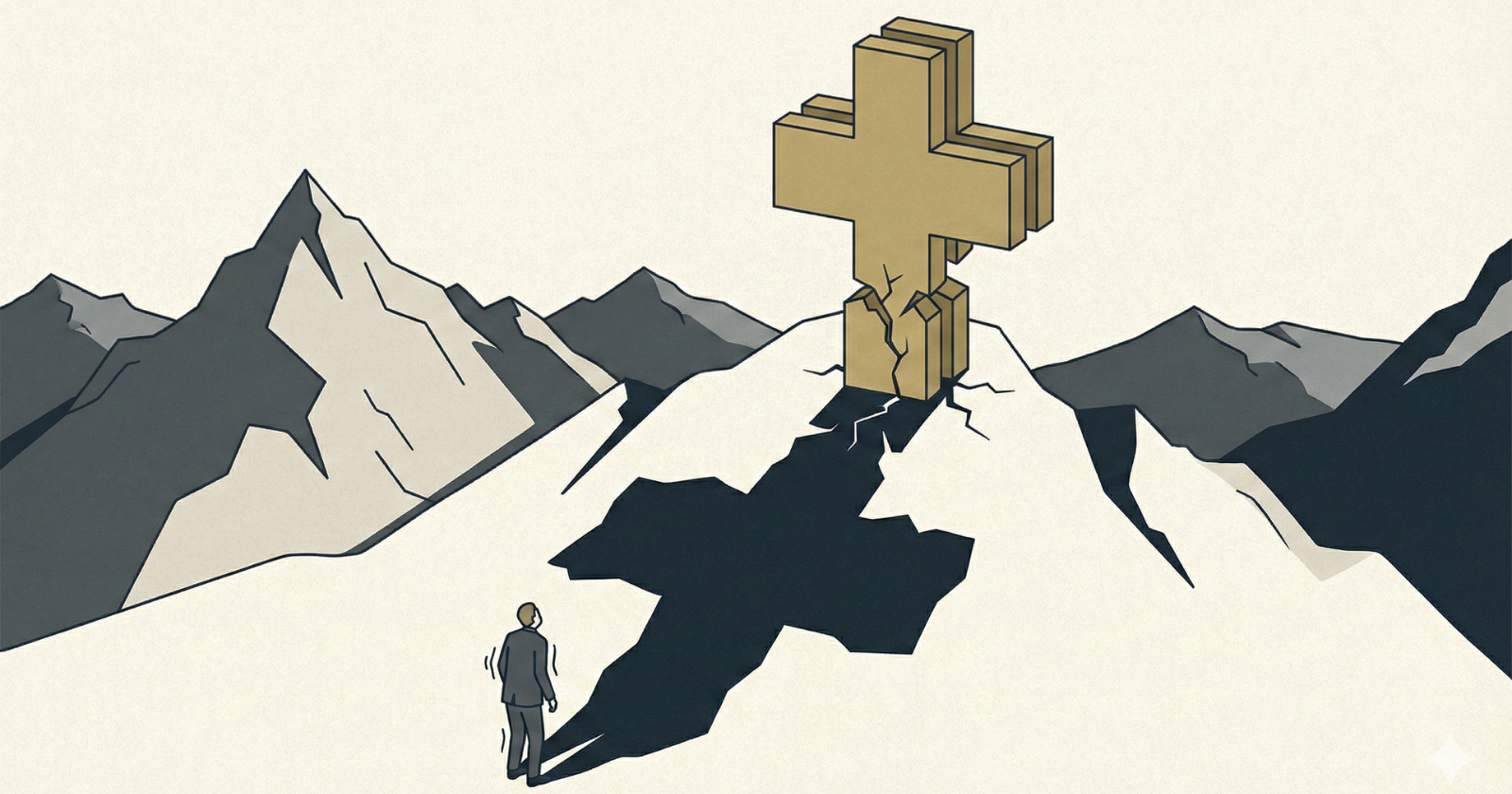
The ultra-wealthy won a landslide against a 50% levy—but the real threat may have already materialized.
Swiss billionaires can uncork the champagne. On Sunday, nearly four out of five voters rejected a proposal that would have levied a 50% inheritance tax on fortunes exceeding 50 million francs—a crushing defeat for the young socialists who dared to touch the untouchable. Not a single canton came close to supporting it. Peter Spuhler, the railway magnate who threatened to flee to Austria, can unpack his bags. Wim Ouboter, the scooter entrepreneur who promised Switzerland a profane farewell, can stand down.
But behind the triumphant headlines lies an uncomfortable truth: the billionaires may have won the battle while losing something far more valuable—the quiet invisibility that made Switzerland their haven in the first place.
For decades, the world’s wealthiest families have flocked to Swiss Alpine redoubts precisely because no one talked about them. The country’s decentralized tax system, cantonal competition for wealthy residents, and cultural discretion formed an unspoken pact: bring your money, create some jobs, and we won’t ask questions. Switzerland accumulated nearly ten billionaires per million inhabitants—one of the highest densities on Earth—while maintaining an almost aggressive silence about what that meant.
The November 30th referendum shattered that arrangement.
Suddenly, Swiss billionaires found themselves doing something deeply uncomfortable: defending their existence in public. The Young Socialists’ slogan—”The ultra-rich inherit billions, we inherit crises”—plastered on billboards across Geneva and Zurich, forced men like Spuhler to calculate publicly what the tax would cost his heirs (between 1.5 and 2 billion francs, he claimed). Ouboter’s expletive-laden threat to emigrate made international news. David von Rosen, the German-born founder of the Lottoland gambling empire, called inheritance taxes “very unfair and unjust” and admitted he’s already partially based in Dubai.
That’s the problem. When billionaires have to argue their case publicly, they’ve already conceded ground. And when they start mentioning Dubai, everyone notices.
The timing could hardly be worse. Switzerland now competes in a global wealth migration contest that has intensified dramatically since the pandemic. According to Henley & Partners, some 142,000 millionaires will relocate globally in 2025 alone. The United Arab Emirates is projected to attract nearly 10,000 of them, bringing an estimated $63 billion in investable assets. Abu Dhabi and Dubai now rank first and second globally in tax-friendliness for the wealthy, leapfrogging Singapore, Zurich, and Hong Kong in recent indexes. Their pitch is brutally simple: zero income tax, zero inheritance tax, zero capital gains tax—and they won’t ask you to defend yourself on billboards.
Meanwhile, the traditional havens are stumbling. The United Kingdom abolished its “non-dom” status last year, triggering a projected exodus of 16,500 millionaires in 2025—the largest net outflow in over a decade. Italy, which successfully lured wealthy Brits with a flat-tax regime centered on Milan, just announced it would raise that levy by 50% to €300,000. Germany’s Social Democratic finance minister has floated raising inheritance taxes to close a widening budget deficit. Even France’s parliament recently debated—though ultimately rejected—a 2% wealth tax on fortunes exceeding €100 million.
Switzerland’s emphatic rejection should, by all logic, reassure the anxious ultra-wealthy. Instead, Swiss tax lawyers report the opposite. The mere fact that the initiative reached the ballot box has spooked family offices and their advisors. When the Financial Times surveyed wealthy Swiss residents earlier this year, many were already reviewing relocation options—not because they expected the tax to pass, but because they feared what might come next.
“If you target the super wealthy, they are like queens on a chessboard. They are very mobile,” one expert told CNBC before the vote. “They have tons of options to optimize their taxes.”
That mobility cuts both ways. The 2,500 or so individuals who would have faced the proposed tax—just 0.03% of the Swiss population—hold fortunes tied up in illiquid assets: family businesses, real estate, company stakes. Economists warned that forcing heirs to pay 50% within months of inheritance could trigger fire sales or fracture generational enterprises. Both Spuhler and Ouboter made exactly this argument.
But here’s what neither mentioned: Switzerland’s wealthiest residents are already diversifying their exposure. Von Rosen’s Dubai disclosure was unusual only in its candor. Across the private banking corridors of Zurich and Geneva, the standard advice now includes “jurisdictional redundancy”—maintaining residency options in multiple locations simultaneously. The ultra-wealthy don’t wait for taxes to pass; they anticipate.
The Young Socialists have signaled this won’t be their final attempt. Similar referendums have historically required multiple runs before succeeding in Switzerland—women’s suffrage took decades. Juso President Mirjam Hostetmann framed the campaign around climate justice, arguing that the super-rich bear disproportionate responsibility for emissions. That argument isn’t going away; if anything, it will intensify as extreme weather events multiply.
For now, Switzerland remains the world’s richest country by average net wealth. Its 300 wealthiest residents control a combined 850 billion francs—roughly $1 trillion—according to Bilanz magazine’s latest annual survey. Gérard Wertheimer, co-owner of Chanel, tops the list at 34 billion francs. The Roche pharmaceutical dynasty follows at 31 billion. They’re not leaving.
But the calculus has shifted. Where Switzerland once offered unquestioned stability, wealthy families now face the prospect of recurring political battles. Where discretion was guaranteed, public scrutiny has arrived. Where alternatives seemed inferior, Dubai and Singapore have upgraded their infrastructure, regulatory frameworks, and lifestyle offerings to genuine competitiveness.
Frédéric Rochat, managing partner at Swiss private bank Lombard Odier, declared after the vote that “Swiss common sense had prevailed.” Philipp Zünd of KPMG said voters had reinforced Switzerland’s reputation as a stable business hub.
Perhaps. But stability isn’t just about defeating proposals—it’s about never having to defeat them in the first place. The billionaires won 78% to 22%. The question now is what that 22% becomes next time, and whether Switzerland’s wealthiest residents will wait around to find out.
