

Spanish tops a “happiest language” ranking—and linguists have thoughts
I live in São Paulo, where Spanish and Portuguese dance through daily life.

Breaking news and analysis from technology, capital, and policy — the moves that matter for the people building, funding, and regulating the technology economy.
13,172 articles · News
I live in São Paulo, where Spanish and Portuguese dance through daily life.
Last week, I sat on the couch in our apartment in Itaim Bibi after cleaning the kitchen, prepping Emilia’s snacks, and texting my husband about a grocery list.
Last Saturday night, after Emilia fell asleep and the kitchen counters were cleared, my husband and I sat on the balcony with mint tea and the noise of São Paulo in the distance.
On an average weeknight in any big city, the soundtrack isn’t sirens or jackhammers.
If chewing, sniffing, or pen-clicking flips your mood in a heartbeat, you’ve got company—and better science.A new peer-reviewed paper pulls the field toward a clear, testable explanation of misophonia: not “oversensitive ears,” but a fast, learned loop linking sound, attention, emotion, and bodily arousal.

On the last week of December, my group chats were full of reminders to set an alarm for 1:11 on January 1. The plan sounded simple.

You don’t need a laboratory to know that romance can make ordinary life feel charged.
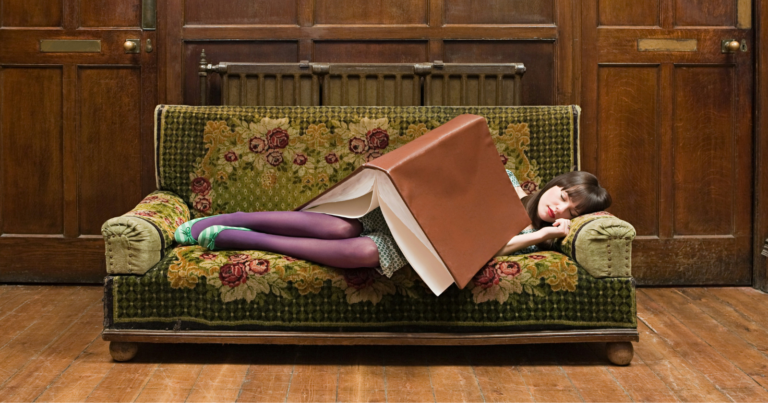
For years, families have argued through the same sleepy standoff: a teenager surfaces at noon on Saturday; an adult taps their watch and worries about “ruining the schedule.” New evidence makes a strong case for a truce.

If you’ve ever started an antidepressant and spent weeks waiting to see if it helps, you know the hardest part is the guesswork.

I still remember the dinner party where I realized I was fundamentally different from most people.

New research suggests that people who are childfree by choice can be seen as highly capable while still being judged as less warm—an ambivalent stereotype that helps explain why stigma can feel “reasonable” to the people who hold it.
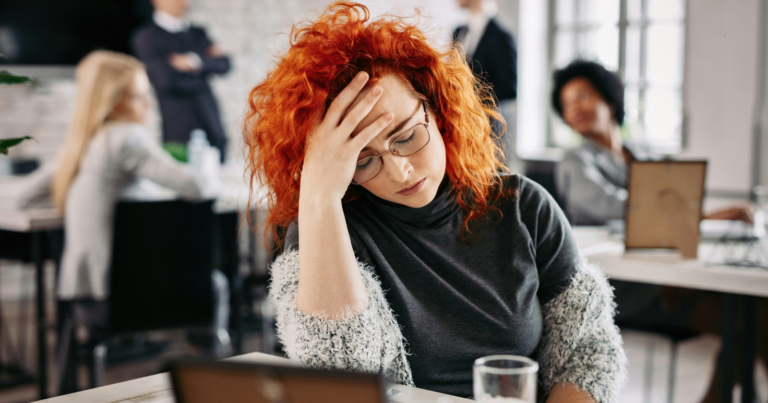
A peer-reviewed review in Biological Reviews argues that industrial life loads ancient biological systems with constant stressors, while the environments humans evolved in offered more movement, more recovery, and more time outdoors.