

Taking responsibility runs against a built-in bias: we tend to claim our successes…
Most people claim credit for their wins and blame circumstance for their losses—the real skill is finding the narrow sliver of what you actually controlled.

The human behaviour behind the work. Decision-making, attention, identity, performance, and the everyday observations that explain how people live and work inside the technology economy.
856 articles · Mind
Most people claim credit for their wins and blame circumstance for their losses—the real skill is finding the narrow sliver of what you actually controlled.

Decades of research promised music lessons would boost children's minds—but the most rigorous studies suggest the benefit may be largely illusion.

Winners don't resist temptation better—they simply avoid encountering it in the first place.

A subtle grammar shift—using your name instead of "I"—turns out to be more powerful than any positive mantra.
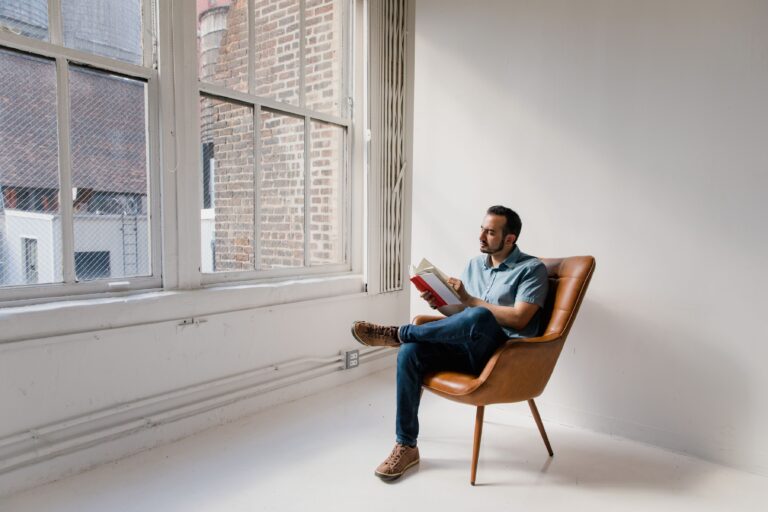
What makes solitude restorative has nothing to do with whether you're an introvert—and everything to do with whether you feel in control of your own time.

Some adults solve every problem alone. Research on help-seeking suggests that the pattern may protect competence while keeping disappointment and closeness out of view.

Your chronotype might matter more than your willpower—new genetic research suggests the early-bird advantage is largely inherited, not earned.

The care you give becomes a cage: the more you show up for others, the less they can imagine you falling apart.
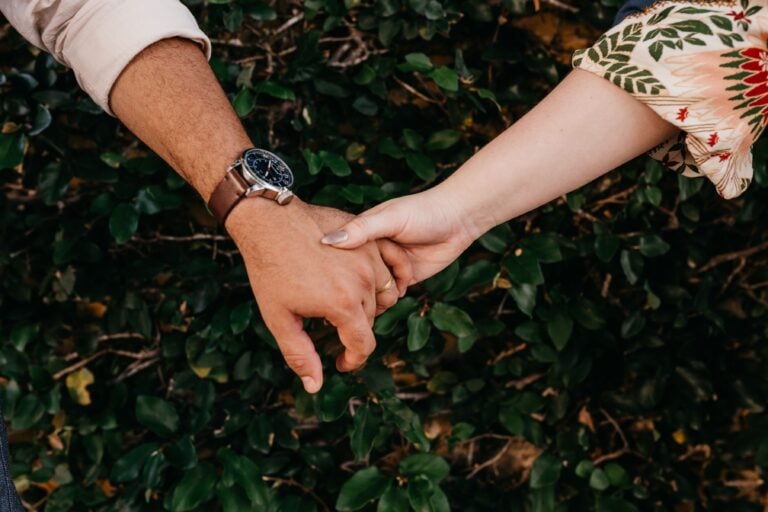
The science of predicting relationship success just hit a wall: even with thousands of couples and mountains of data, the strongest predictors barely move the needle.
The most giving people often end up isolated not because others are ungrateful, but because their relentless availability teaches everyone around them that help isn't needed.

We consistently underestimate how much people like us when we first meet them, a miscalculation that can linger for months and reshape how we relate to one another.

We're terrified of depth with strangers, so we hide behind pleasantries—but new research suggests that fear costs us far more than awkwardness.