

Why scrolling through feeds can feel more exhausting than reading a book
Rapidly changing feed content may increase task switching and decision-making, which can make scrolling feel mentally tiring.

Relationships, identity and social behaviour, including how institutions and technologies reshape the way people live together.
625 articles · Relationships & Society
Rapidly changing feed content may increase task switching and decision-making, which can make scrolling feel mentally tiring.

What happens when your plans collapse, your phone dies, and you're stranded at a gas station thousands of miles from home—and it's the best thing that could've happened.

Chronic offense-taking isn't performative outrage—it's a trauma response masquerading as oversensitivity.

Small studies suggest differences in emotional processing. They do not establish neurological precision or a level of social accuracy unavailable to most people.

The loneliest people are often those who've mastered the art of being needed—but never quite learned how to let others reciprocate.

Chronic punctuality might say less about obsessive control than about a deeper fear of what lateness would reveal.

What looks like stubbornness may actually be the last stand against losing autonomy—and every small concession feels like surrender.

Our minds are more dangerous than any external threat—and we keep handing them loaded weapons.
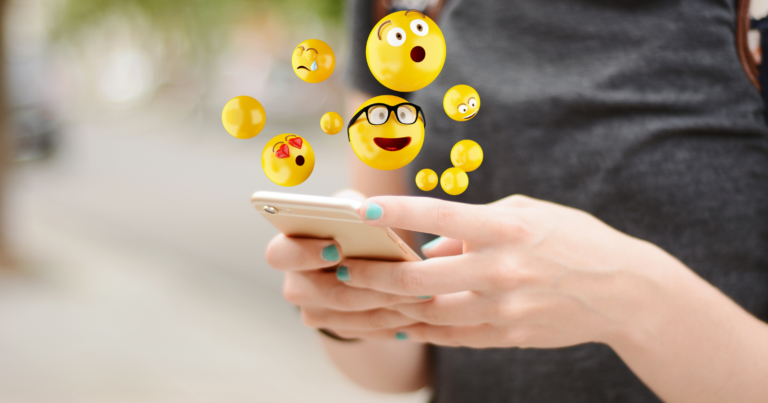
Your sensitivity to digital tone might be less about playfulness and more about a real vulnerability in text: the ease with which genuine warmth gets lost in translation.

Aging often brings a calculated silence—not withdrawal, but the hard-won wisdom that most arguments aren't worth the cost.

The nervous system trained to hunt for failure never learns to stand down, even when there's nothing left to fix.

When someone can't celebrate your win, their silence often signals an old hurt—not envy, but the ache of never being celebrated themselves.