

Living to impress others quietly costs you, and the crowd you are performing for…
The exhausting performance of self-presentation yields returns far smaller than the attention and energy it demands.

Relationships, identity and social behaviour, including how institutions and technologies reshape the way people live together.
625 articles · Relationships & Society
The exhausting performance of self-presentation yields returns far smaller than the attention and energy it demands.

The guilt you feel leaving your pet isn't weakness—it mirrors the attachment bonds we form with children, complete with measurable psychological costs.

What looks like emotional punishment is often a nervous system in crisis—a learned survival strategy from childhood.

What you remember with certainty often never happened, and what shaped your thinking may have come from somewhere you'll never know.

The ultimate social skill—the ability to make anyone feel like your closest friend—can become a trap that leaves you entirely alone.

The realization often comes in someone else's living room: a glimpse of the emotional attentiveness you grew up without, and the sudden, unbearable weight of its absence.

A decades-old rule about human friendship turns out to be built on such shaky math that it could just as easily be 2 or 520.
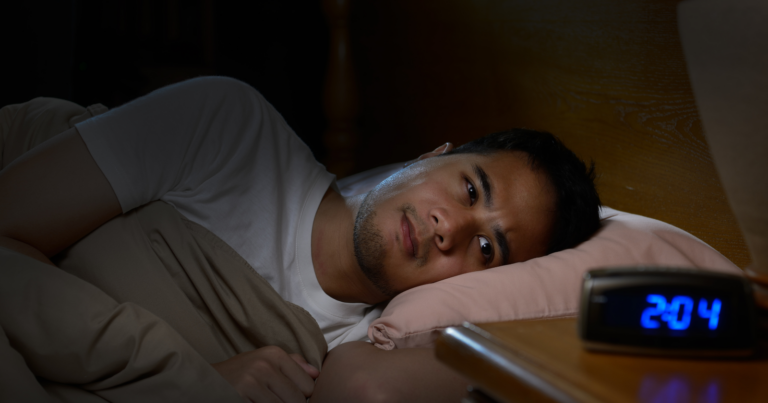
Your unresolved moments don't keep you awake because you're anxious—your brain is wired to obsess over them until closure arrives.

The people who suffer silently aren't protecting others from burden—they're trapped in a mental calculus where their pain almost never measures up.

When the nervous system hits a breaking point, numbness can feel less like a deficit and more like survival.

The path to accepting your worst self isn't forgetting what you did—it's discovering why the damage mattered enough to change you.

A majority of young adults across eight countries report feeling derailed by their own lives, suggesting this quiet crisis is far more universal than anyone assumes.