
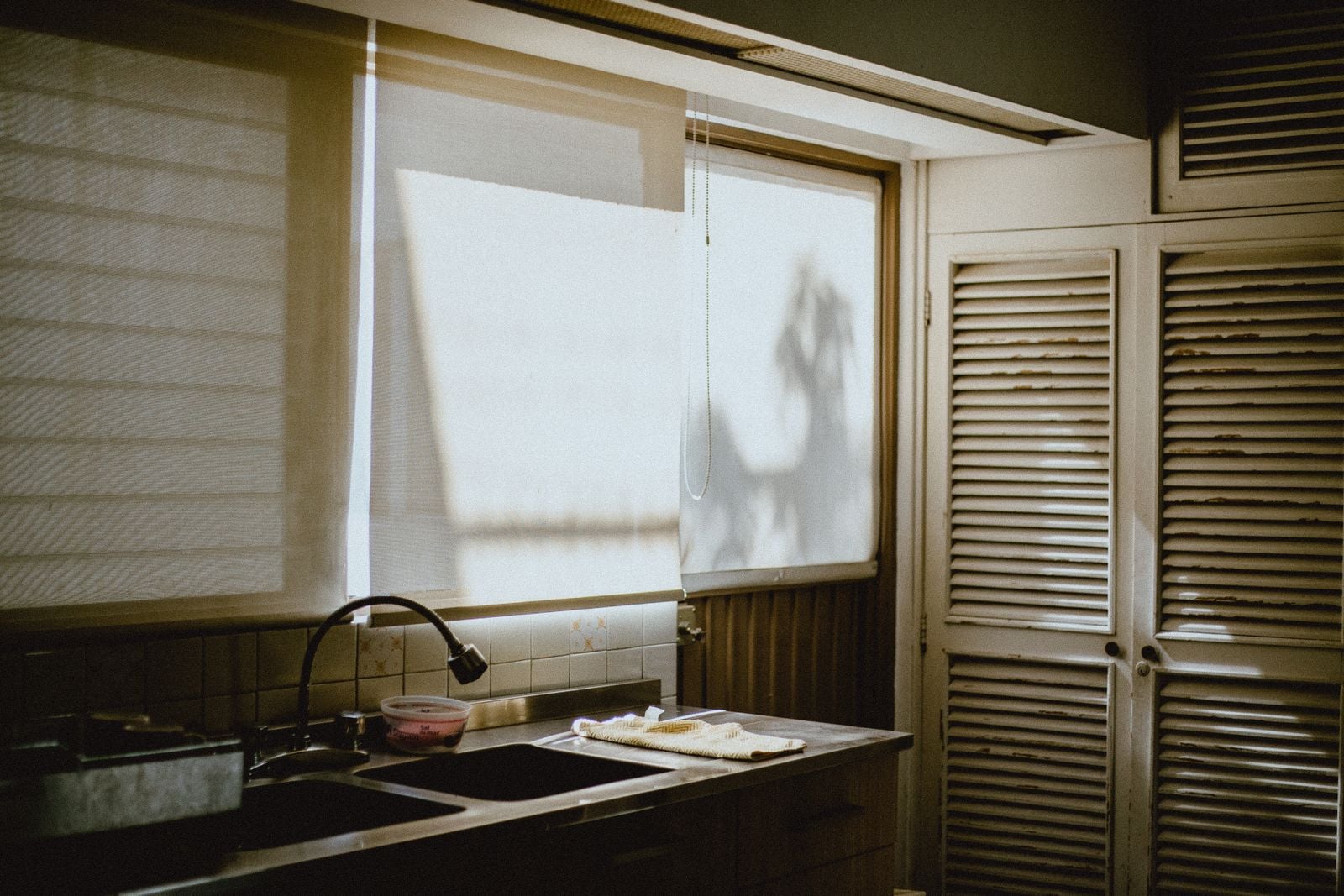
Plenty of retirees report the same strange experience in the first years after they stop working: the alarm clock becomes ornamental, the calendar empties out, and yet the body keeps insisting on 5am. The coffee gets made before the birds finish their first run. The kitchen is wiped down before anyone else in the house has moved. No one is waiting. Nothing is due. The eyes open anyway.
Most people assume this is just aging. Older bodies sleep less, the conventional wisdom goes, and the early waking is a biological inconvenience to be managed with melatonin or blackout curtains.
That explanation is partly true and almost entirely beside the point.
The body remembers what the schedule forgot
Circadian biology does shift with age. The suprachiasmatic nucleus, the cluster of neurons in the hypothalamus that runs the body’s 24-hour clock, becomes less precise over time. The circadian system degrades as we age, and the human pattern shows that older bodies hold the rhythm less tightly, with morning often winning.
But biology alone doesn’t explain why some retirees keep waking at 5am for a decade after retiring, while others drift into late mornings within a year. The clock is partly a habit. And habits, especially the ones built over forty years of working life, do not dissolve just because the paycheque does.
A body that woke at 5am every weekday from 1978 to 2018 has spent roughly 10,000 mornings practising that exact moment. The practice continues. What surprises is how often the person inside that body wants it to.
The hour before the world starts asking
Ask retirees who keep the early hours why they don’t sleep in, and the answer is rarely about sleep. It’s about the hour itself.
5am belongs to no one. The phone is silent. The grandchildren are not yet calling about pickup. The spouse is asleep. The neighbour’s leaf blower has not yet started. The day has not yet asked anything.
For someone whose entire adult life was organised around being needed (by employers, by children, by ageing parents, by mortgages) an hour that asks nothing is not a deprivation. It is a small, recovered country.
The early wake-up in retirement is an extreme version of a familiar pattern: small staging rituals adults perform before anyone else can make a claim on the day. It is sovereignty, claimed in the dark.
Structure as a form of dignity
The clinical literature on retirement is increasingly clear that the people who do best are not the ones who completely abandon their schedules. They are the ones who renegotiate them.
A University of Edinburgh study published in SSM – Mental Health, led by Xuefei Li, tracked 1,583 Dutch retirees over 17 waves of survey data between 2007 and 2023. The researchers found that mental health generally improves around retirement. But the improvement is uneven, and there are predictable dips.
Low-income retirees, the study found, often experience an initial post-work “honeymoon” that fades around two and a half years in. Average-income retirees who had physically demanding jobs report lower overall mental health throughout. Women, the unmarried, and the lower-earning report the lowest wellbeing during the retirement years.
Professor Aja Murray, one of the Edinburgh researchers, noted that across all income groups, there are multiple phases when mental health can dip and people may benefit from targeted support.
What the study points to, indirectly, is the protective power of structure. People who lose their work routine and replace it with nothing are more vulnerable than people who lose it and replace it with something. Even something as small as a daily walk before dawn, or a self-imposed 5am wake-up that nobody is asking for.
The early hour as identity scaffolding
For decades, the 5am wake belonged to a role. It belonged to the foreman, the nurse, the bus driver, the farmer, the small business owner who opened up before staff arrived. The hour was inseparable from who the person was.
Retirement does not retire the identity. It just removes the external demand. And many retirees, without quite articulating it, keep the hour because the hour is part of who they have been since their twenties. To sleep until nine would be to admit that the role is gone. To wake at five is to keep the role’s body alive, even if the role itself has been handed off. This connects to a familiar pattern: when the external world stops calling on a competence, the person still has it, but no one is asking. What does competence do when nobody is left to witness it? The 5am wake is one of the few places where it still gets to show up, even if it is only the competence of being awake before anyone else. The hour becomes a private rehearsal of a self the day no longer requires. And rehearsals, kept long enough, become the thing itself.
The mental health math of routine
Routine is not just a comfort. It is a measurable intervention. Research shows that a consistent daily routine reduces stress and anxiety by giving the brain predictable structure, particularly during major life transitions.
Retirement is one of the largest such transitions a person undergoes. The loss of work removes not just income but timekeeping, social contact, purpose, and a reason to leave the house. The brain, faced with that much vacancy, reaches for anchors.
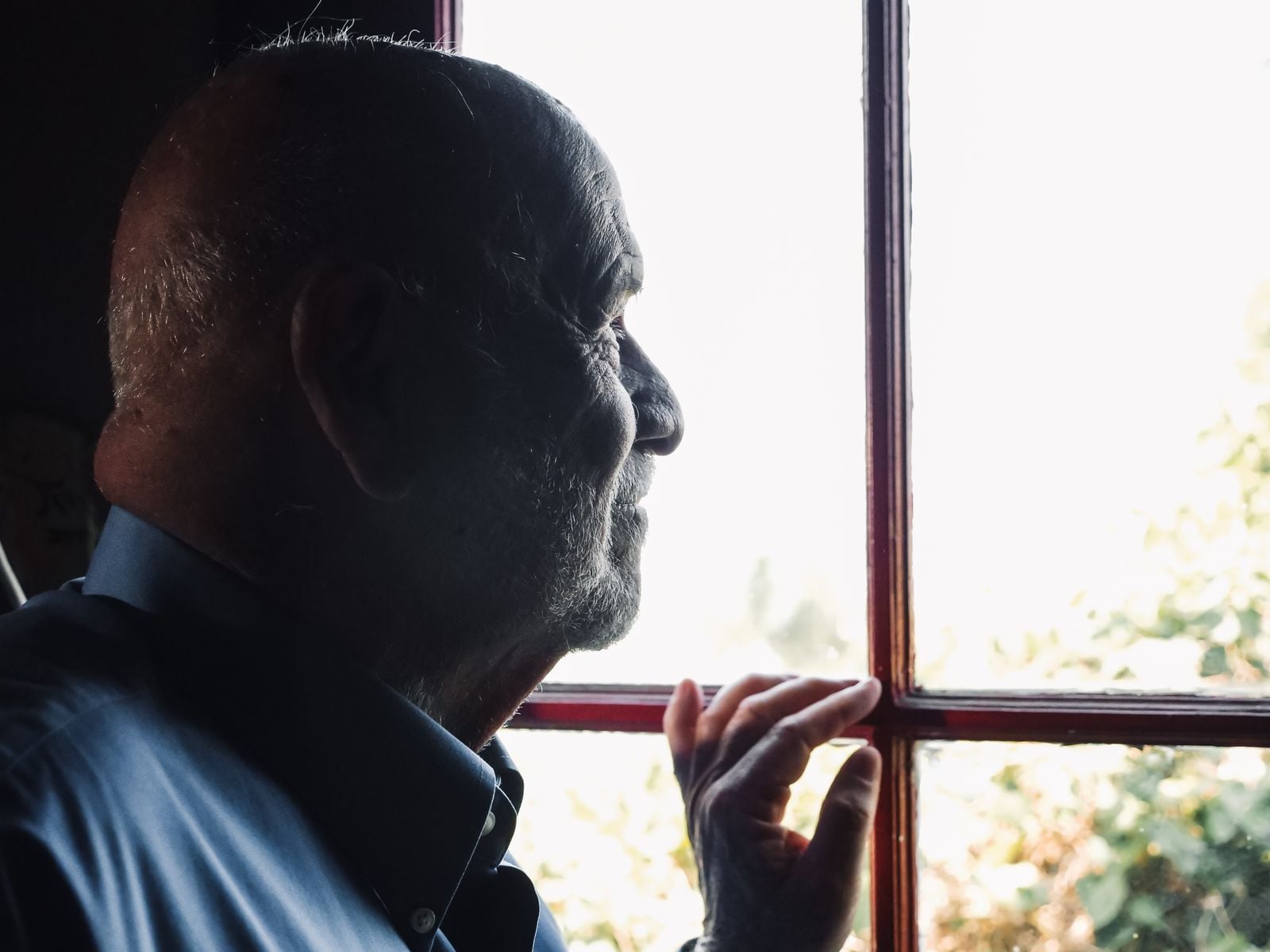
An early wake-up is an anchor. So is making the bed. So is the morning paper, the dog walk, the first cup of coffee at the same chair, facing the same window.
None of these are wellness performances. They are the human nervous system improvising a frame for the day, because a day without a frame is harder than people who have never had one realise.
The retirees who stop waking early
Not every retiree keeps the early hours. Some do drift, sleeping later each month until 8am or 9am becomes normal. Often these are the retirees who had the most porous work lives to begin with: knowledge workers, consultants, people whose jobs had no fixed start time.
The retirees who keep the 5am wake are disproportionately people whose jobs had a hard start. Shift workers. Tradespeople. Teachers. Nurses. Anyone whose body learned, decade by decade, that the morning was non-negotiable.
The non-negotiability does not retire. It just changes employers. The body now works for itself.
What the hour actually does
Watch a retiree’s 5am closely and the texture becomes clear. The hour is not idle. It is full of small, considered acts: the kettle, the window, the slow read of a book that the working years never allowed. The garden inspected before the sun gets too hot. The seed catalogue. The letter to a grandchild.
These are not productive acts in the economic sense; they are acts of attention. And attention, paid slowly to small things, turns out to be one of the most reliable mood regulators the human brain has.
Reporting on the phenomenon of early-waking retirees has tended to frame it as a problem to be fixed: a sleep disorder, a sign of decline. The retirees themselves rarely frame it that way. They frame it as the best part of the day.
The grief hidden inside the habit
There is, for some, a quieter layer underneath. The 5am wake is also a way of not being in bed alone with the silence of a life that has finished its loudest chapter. Getting up gives the body something to do with the grief that retirement, even a chosen one, often carries.
The kitchen is more bearable than the bedroom at that hour. The coffee gives the hands a task. The window gives the eyes one. The grief, if it is there, gets metabolised into routine instead of into rumination.
This is not pathology. It is one of the oldest human strategies for surviving change: keep moving, even slowly, until the new shape of the day becomes familiar.
What this means for the people around them
If you live with a retiree who has started waking before the sun, the worst thing you can do is treat it as a problem. The second worst thing is to fill the hour with company.
The hour is doing work. It is reconstituting a sense of agency that the rest of the day, with its dependencies and its slower social rhythms, will slowly erode again by dinnertime. The 5am self is the most autonomous self a retiree has access to. Protecting that hour is protecting something close to dignity.
The best response is to leave the kettle clean for them the night before, and to not be hurt that they prefer the company of the empty kitchen to yours at that hour. They will be back by 8am. They are not avoiding you. They are visiting a version of themselves that the rest of the day no longer easily reaches.
The hour belongs to them
Here is what I think the early wake-up actually is, stripped of the romance: a refusal. Retirement culture wants to sell people on the idea that leisure is the reward and that sleeping in is the proof of having earned it. That framing gets it backwards. The retirees who keep waking at 5am are not failing to relax. They are rejecting the premise that a working life should be repaid in passivity.
Treating the habit as a sleep disorder, or as a symptom of decline, misreads what is in front of us. It is closer to a quiet form of self-employment. The body has decided it still has work to do, even if the work is only paying attention to a sunrise, and that decision deserves more respect than the wellness industry tends to give it.
So if someone you love is up before you again tomorrow, do not try to fix them. They have already worked out something most of us are still avoiding: that a life is shaped by the hours you claim, not the ones the world hands you.