


There is a certain kind of person who owns one wool overcoat, buys it once in their late twenties or early thirties, spends more than seems reasonable at the time, and then wears the same coat every winter for the next fifteen years. The lining eventually gets repaired. The buttons get replaced. The cuffs develop a faint sheen where the wrists have rubbed against a thousand desk edges and taxi door handles. And the coat, somehow, looks better for it.
The reflex is to call this frugality. It isn’t.
Frugality is about the money saved. What is actually happening here is something quieter and more interesting: a person has decided that a few well-chosen objects, kept and tended, produce a kind of quiet dignity that a full closet cannot.
The full closet is not the abundance it looks like
Most people believe that having more options makes them freer. More shirts, more shoes, more coats for more occasions. The closet reads as evidence of a life well-provisioned.
Visually dense spaces compete for attentional resources even when a person is not consciously engaging with them, a point made carefully in a recent Forbes piece on the psychology of minimalism. The overstuffed wardrobe is not neutral background. It is a low, constant tax on working memory.
Every morning, thirty-two competing options ask a small question about who you are today. And most days you do not want to answer thirty-two small questions before coffee.
The person with one coat has, without necessarily framing it this way, opted out of that daily interrogation.
What the one-coat person is actually doing
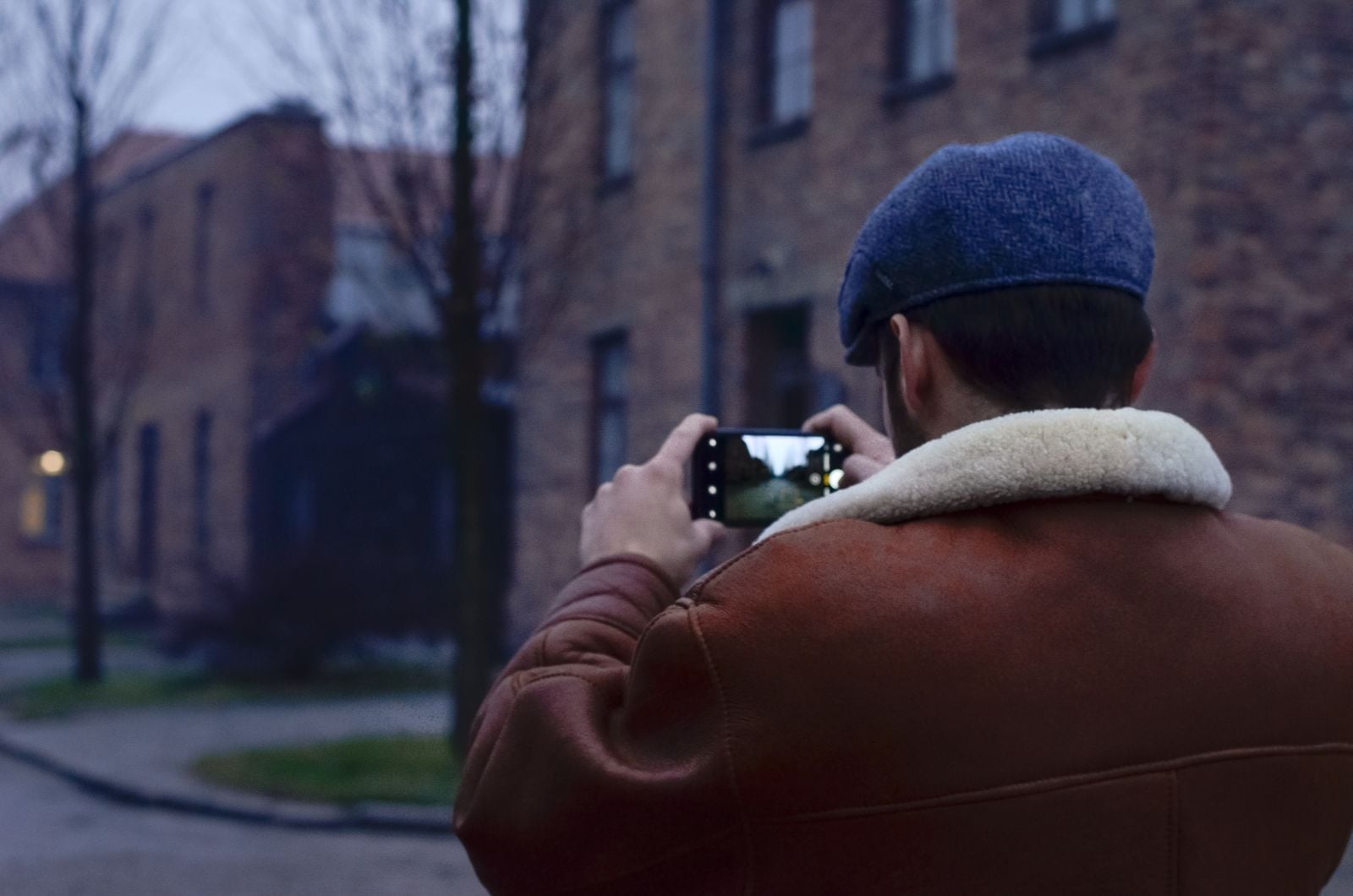
They are betting on repetition. Same coat, same silhouette, same weight of wool against the shoulders, five hundred mornings in a row. Over time the object stops being a purchase and becomes a piece of infrastructure, closer to a good chair or a well-cast pan than to a garment.
There is something psychologically specific that happens when an object is worn that many times. It stops signalling anything about status or newness and starts signalling something about the person’s continuity across years. You wore this to your grandmother’s funeral. You wore this the day the job offer came. You wore this when you walked home in November of a year you would rather forget.
The coat becomes a kind of external memory. That is a very different relationship than the one available to someone rotating through four coats a season.
Possessions as extended self
Sociologists and psychologists have long treated possessions as part of the extended self, the idea being that the things a person keeps and use become genuine components of how they express identity. Building on this concept, intentionally owning less can itself function as a symbolic statement of ethical or philosophical alignment, as explored in the Forbes analysis of minimalism.
The one-coat person is doing this without slogans. There is no manifesto. They just wear the coat.
But observers pick up on it. There is a reason certain older Europeans, or certain long-tenured academics, or certain rural craftspeople read as dignified in a way that has nothing to do with money. The clothes are old. The clothes fit. The clothes have been chosen once and then trusted.
Why appearance still matters, but not in the way we’re told
Appearance affects how people perceive competence and trustworthiness, and there is a substantial body of workplace research on this. A piece in Entrepreneur on the impact of wardrobe on perception summarised the case that consistent, well-considered dressing supports credibility and strengthens professional relationships.
The usual takeaway from that literature is that you should have more clothes, better clothes, more variety. The one-coat person has read the same evidence differently. If consistency matters, then consistency is the point. Wear the same excellent thing. Let people learn what you look like.
This is closer to the way a certain kind of chef cooks one dish thousands of times, or the way a violinist plays the same passage until it stops sounding like effort. Mastery of one object beats a rotation through many.
The dignity that comes from tending
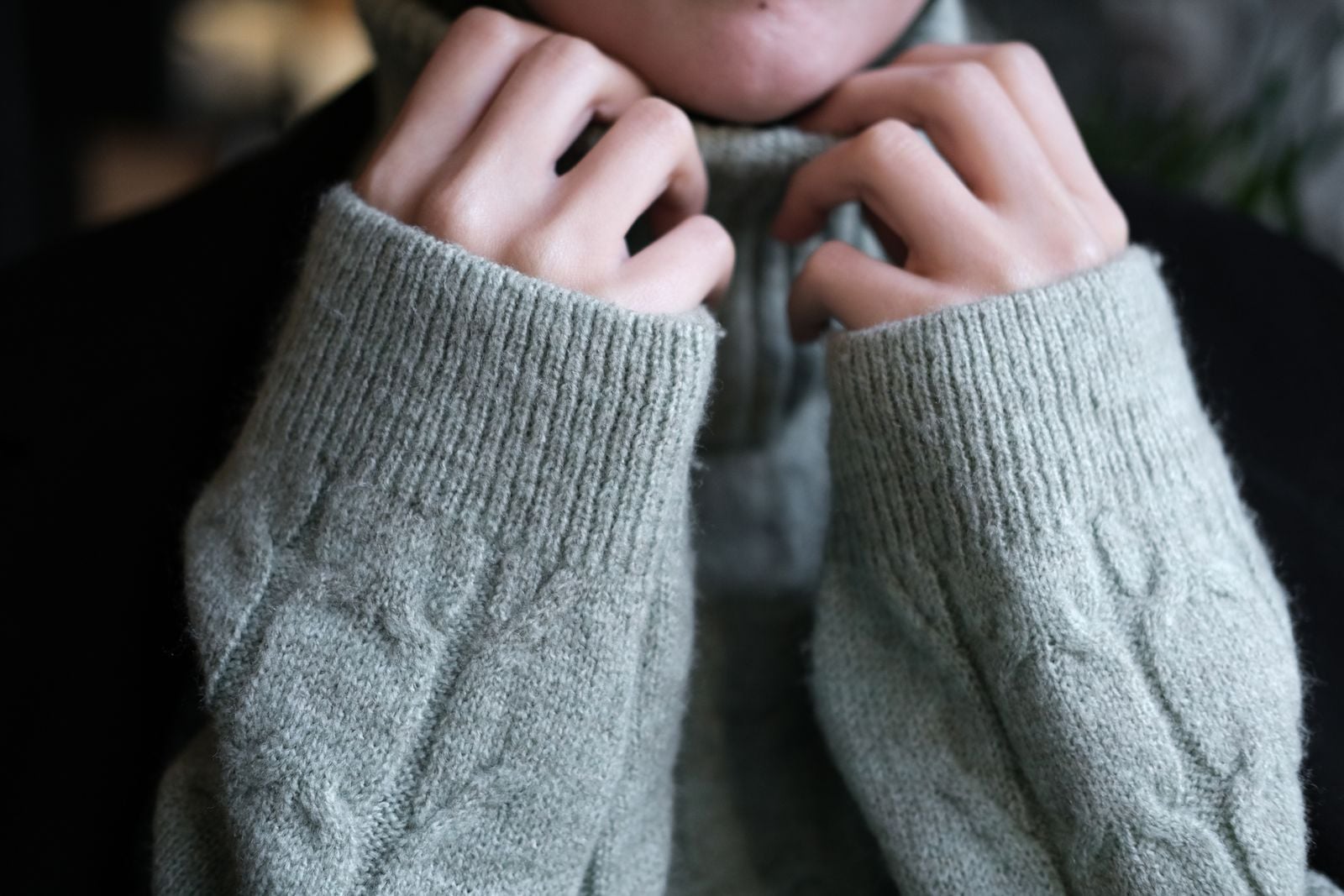
Owning one very good coat for fifteen years requires something that owning ten mediocre coats does not: care. The one-coat person knows a cobbler and a tailor. They know which brush works on wool and which does not. They have opinions about cedar. They notice when a seam starts to give and they fix it before it fails.
This tending is where the dignity actually lives. Not in the coat itself, but in the relationship the person has with it.
Those who study people’s relationships with meaningful objects note that accessories often reflect memory, values and emotional continuity rather than fashion, as explored in a Moneycontrol overview of what rings and worn jewellery reveal about identity. A coat worn for fifteen years works the same way. It accumulates meaning by being kept.
The body underneath
There is another layer here that is easy to miss. People who commit to one really good coat tend to be people who have made a kind of peace with their bodies. They know what fits. They know what silhouette they want to occupy in the world. They are not waiting to lose ten pounds before they buy the good version.
The research on body esteem is instructive. A longitudinal Swedish study of 967 participants, led by Sara C. Nelson at the University of Minnesota, tracked body esteem from ages ten to twenty-four and found that for most people it stabilises into adulthood, particularly the dimension the researchers call attribution esteem, or how one believes one is perceived by others. Psychology Today’s summary of the Nelson findings notes that over ninety percent of participants saw their attribution esteem increase or hold steady as they matured.
That stabilisation is exactly the psychological ground on which a fifteen-year coat becomes possible. You have to trust that the person you are at thirty-two will still be, in some recognisable way, the person you are at forty-seven. The coat is a small bet on that continuity.
What the closet cannot do
A full closet promises optionality. On any given morning, you can be a slightly different version of yourself. This sounds like freedom.
In practice it tends to produce a low-grade identity churn. The self is diffuse across too many signals. Nothing accumulates.
The one-coat person has traded optionality for depth. The coat is not there to help them perform a different self each day. It is there to hold the same self, day after day, through weather and years and jobs and grief.
This is a very different psychological project than shopping.
The generational thread
Younger cohorts appear to be moving in this direction, at least in the aggregate. A Sustainable Brands analysis of millennial consumption patterns argued that a values-based rather than consumption-based orientation is quietly reshaping how a generation buys clothes, food and household goods. Fewer things, chosen more deliberately, kept longer.
Whether that shift holds up under the pressure of low-cost online retail is a separate question. But the impulse is old. It predates the word minimalism by centuries. Grandmothers had one good coat. Grandfathers had one good suit. It is only in the last few decades that the assumption became that dignity required a large closet at all.
The people who quietly keep one coat for fifteen years are, in a sense, restoring an older equilibrium.
The signal others pick up
There is a curious social effect worth naming. People who wear the same excellent thing for years often read to others as more grounded, more settled, more themselves than people with an extensive rotation. Nobody articulates this consciously. It just registers.
Interestingly, the inverse also holds. Sudden changes in appearance, or a chaotic relationship with one’s clothes, often correlate with internal distress, as noted in a YourTango piece on the appearance signals that suggest someone is quietly struggling. Consistency in dress is not just aesthetic. It is often diagnostic of a person’s psychological baseline.
The coat, worn steadily, communicates that the person inside it is steady.
The kinship with other small acts of order
This impulse is related to other quiet habits. People who keep one drawer perfectly organised while the rest of the house drifts are working on the same underlying problem: choose one small territory and treat it well, because a small territory tended carefully does more psychological work than a large one managed poorly.
The one-coat person has decided the coat is that territory.
The same logic runs through people who keep the thermostat lower than everyone else finds comfortable. It is not deprivation. It is a chosen relationship with a small daily variable, and the choice itself becomes a source of identity.
The reason it produces dignity
Dignity is a slippery word, but here is what seems to be happening. When a person chooses one object, invests in it properly, wears it for years, repairs it when it needs repair, and does not defect to a newer or shinier version, they are performing a specific kind of loyalty. Loyalty to a past decision. Loyalty to a version of themselves that made the decision. Loyalty to the object itself.
Most closets do not require loyalty. They only require appetite.
The coat, kept and tended, is a small argument that a person can be trusted to stay with something. And that argument, made silently every morning by the act of putting on the same coat again, is what other people register as dignity.
A closing observation
The person with one really good coat is not, in most cases, running a philosophy. They are not trying to be a minimalist. They are not making a statement about consumption.
They just found a coat that worked and stopped looking. And in stopping, they discovered that a life organised around a small number of loved and used objects has a quality that a life organised around abundance does not.
It is not that they own less. It is that what they own owns them back.
