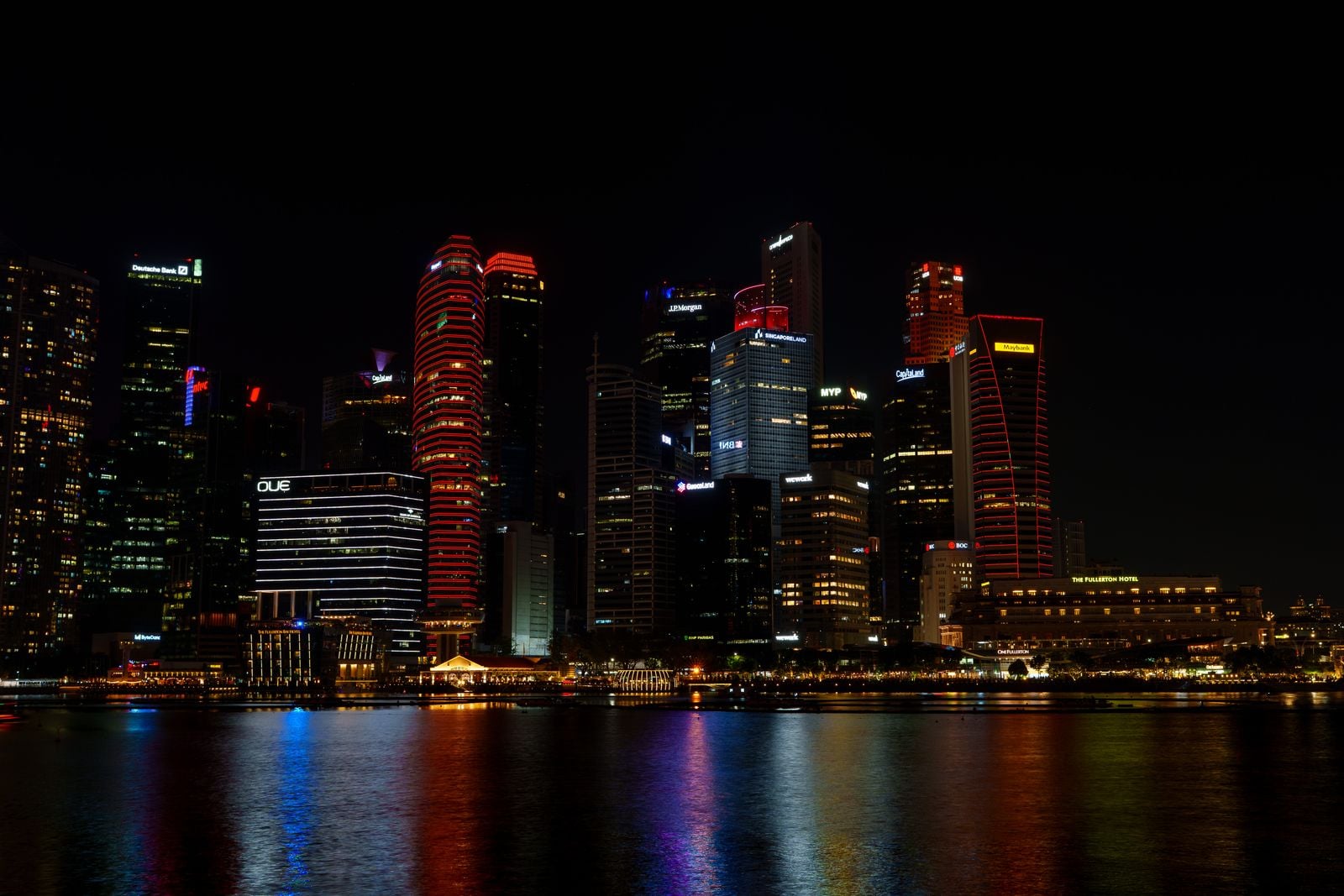
One in six households in Singapore now hold at least a million US dollars in investable assets, the highest millionaire density of any city in Asia. The same city ranks among the top three in the region for reported workplace burnout, with surveys finding a majority of Singaporean workers describing themselves as burned out. The wealth line is going up. The wellbeing line is not following it.
That divergence is the story the glossy skyline hides.
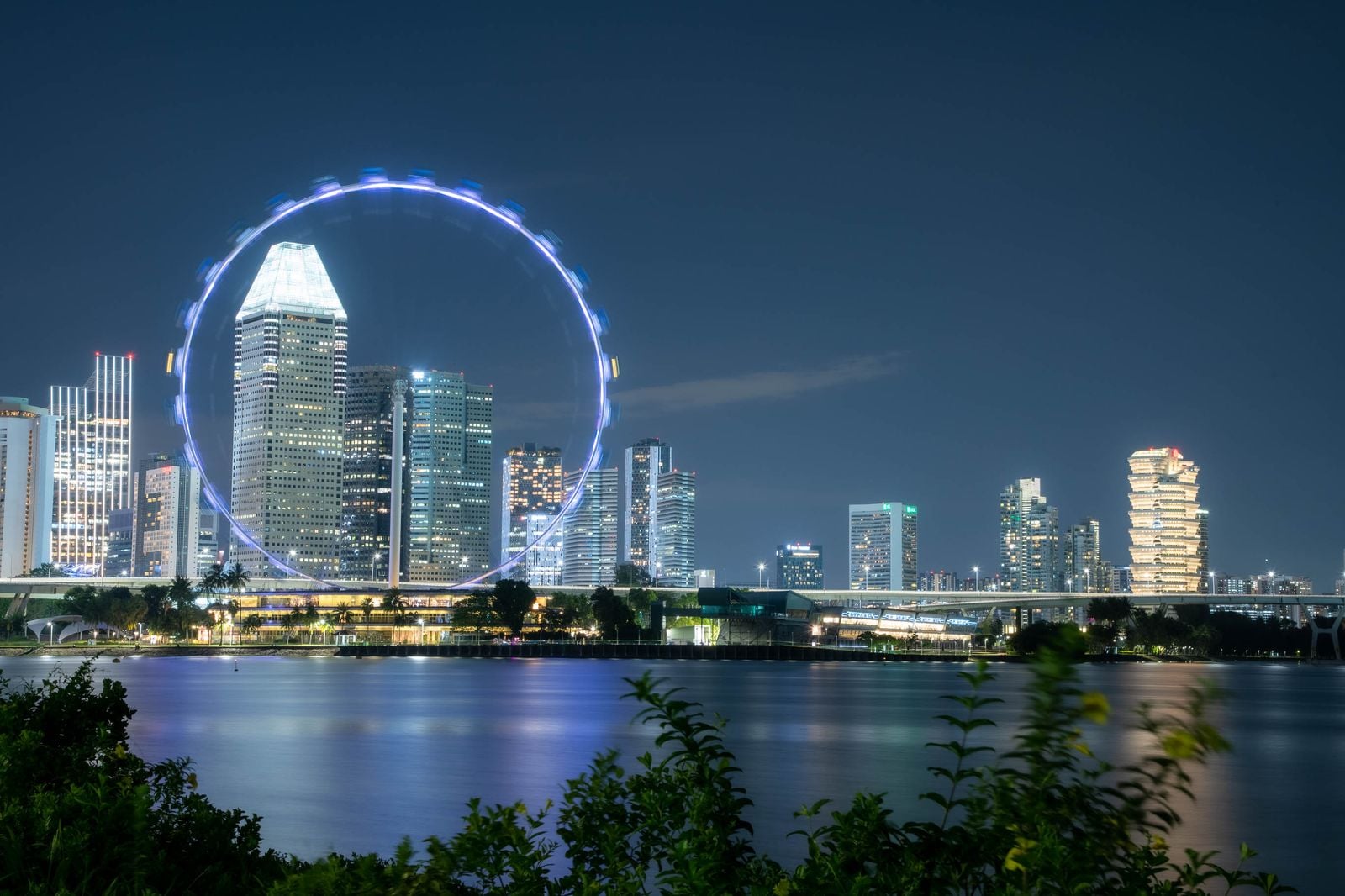
A city built on the promise that more works
Singapore’s economic model is one of the tightest feedback loops in the world between effort and reward. GDP per capita sits among the highest globally. Housing prices in the central core have risen dramatically over the past decade. Family offices have multiplied rapidly in recent years. If the theory that money buys happiness were true anywhere, it would be true here.
It isn’t.
Nationwide mental health studies have found a significant portion of residents experiencing mental health conditions in their lifetime, with particularly sharp rises among younger adults — the same cohort tasked with maintaining the country’s productivity miracle. Working adults in Singapore report anxiety and depression symptoms at rates comparable to countries with a fraction of its GDP.
The people at the top of the wealth pyramid are not spared. They are often the ones running the fastest on the wheel.
The hedonic treadmill has a Singapore postcode
Psychologists have a name for the phenomenon where each new financial win produces a shorter emotional high than the last: hedonic adaptation. Writing in Psychology Today, researchers describe how the happiness set-point re-calibrates within months of a raise, a promotion, or a new apartment. The dopamine spike fades. The baseline returns. The next target moves further out.
A 1978 study of major lottery winners found that within about a year, winners rated ordinary daily pleasures — a morning coffee, a decent meal — measurably lower than people who had never won a cent. The mechanism is straightforward. Once your reference point is a private jet, an economy seat feels like a punishment. Once your reference point is a Sentosa Cove bungalow, an HDB flat feels like failure — even though HDB flats are where the vast majority of Singaporeans actually live.
The condition is not exclusive to Singapore. Singapore just concentrates it.
Income helps — until it doesn’t
The relationship between money and mental health is not zero. It is not even close to zero. A June 2025 Forbes analysis of population health data noted that people in the lowest income brackets suffer anxiety, depression and other mental illnesses at rates 1.5 to 3 times higher than those in the highest brackets. A Chelsea, Massachusetts study cited in the same piece found low-income recipients of a US$400 monthly stipend had 27 per cent fewer emergency room visits over nine months than a control group who received nothing.
Money at the bottom of the distribution buys something real: less panic, fewer nights lying awake wondering if the rent will clear.
What the data also shows is that the curve flattens hard. A longitudinal study of 1,538 Dutch adults published in SSM Mental Health in 2025 and reported by Healio tracked mental health five and a half years before and after retirement. Xuefei Li of the University of Edinburgh and colleagues found that income was the single largest driver of mental health trajectories in the peri-retirement window — but the story split three ways. Low-income retirees saw a spike of relief just before retirement, then a decline. Middle-income retirees saw sustained gains. High-income retirees showed almost no movement in either direction. Their baseline was already stable. More money did not shift it further.
Translated to Singapore: the marginal psychological return on your second million is a fraction of what the first million delivered, and the return on the tenth is close to nothing.
What Singapore is optimising for, and what it isn’t
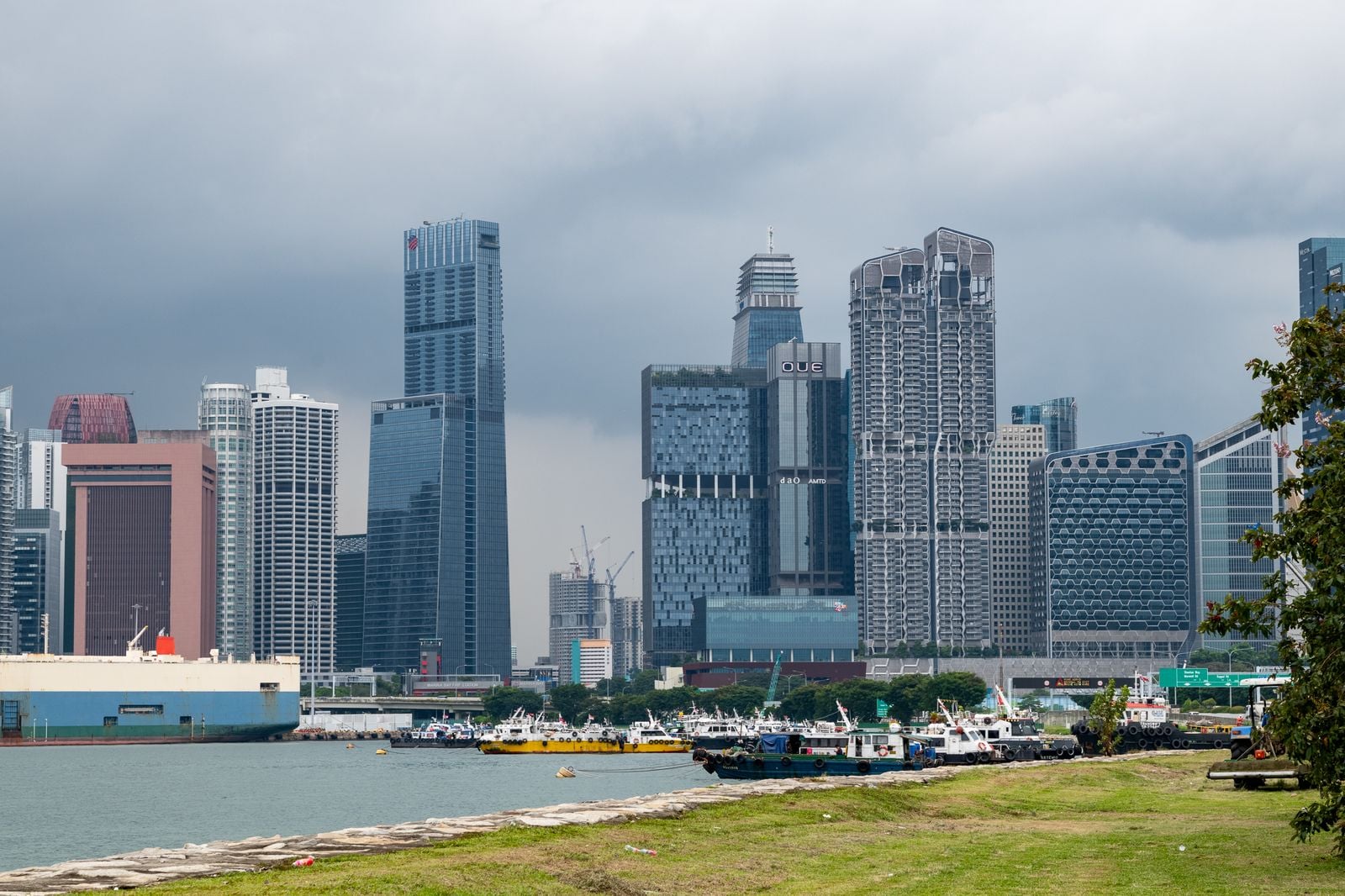
The country’s success is real. The efficiency, the safety, the transit system that arrives on the minute — these are not marketing claims, they are lived facts. What the wealth-density number obscures is what the optimisation is measuring and what it is not.
A 2026 Forbes Nonprofit Council piece on the mental health economy argued that treating workplace wellbeing as a personal problem — separate from productivity and organisational outcomes — has stopped making sense. The World Health Organization estimates depression and anxiety cost the global economy significant productivity losses each year.
Building on the concept of mental wealth — cognitive and emotional capital treated as the actual foundation any economy runs on — the pattern becomes clear: erode it, and the productivity numbers eventually follow.
Singapore, quietly, has been running this experiment in reverse for two decades. Optimise for output. Let the wellbeing indicator drift. See what breaks.
The comparison trap in a small country
Singapore covers roughly 728 square kilometres. Approximately the size of New York City’s five boroughs. Density of that kind means the millionaire next door is a literal neighbour, not a statistical abstraction. The Ferrari at the school pickup is the same school pickup your car is at. The condo listing that just cleared S$5,000 per square foot is in your postcode.
When the peer set is visible and physically proximate, the psychological pressure to match it compounds. Teenagers experience a version of the same effect through phones — a 2025 study in Nature Human Behaviour covered by News-Medical found that adolescents with pre-existing anxiety or depression were disproportionately harmed by social media use compared with healthy peers. The mechanism is the same: an artificially compressed reference group producing a distorted sense of where the baseline sits.
In Singapore, the reference group is not artificially compressed. It is geographically compressed. There is nowhere to look that isn’t someone else’s success.
What the ones who stopped chasing tend to say
The consistent finding across longitudinal happiness research — from decades-long studies of adult development to work on subjective wellbeing — is that the variables that predict a good life in your seventies are almost never the ones the market rewards in your thirties. Relationship quality, purpose beyond output, and the ability to enjoy ordinary days repeatedly appear at the top of the list. The pattern is boring in the way truth often is: fewer wants, more contact, less scoreboard.
The Stoic philosopher Epictetus, writing roughly two thousand years before Singapore’s founding, observed that wealth consists not in having great possessions, but in having few wants. The line reads like a fortune cookie until you actually try to run the calculation on your own life.
The number that isn’t on any dashboard
Singapore publishes some of the most detailed economic dashboards on the planet. GDP growth, housing indices, foreign reserves, MAS core inflation — all updated on the minute. What the country doesn’t publish, and what most countries don’t, is a real-time indicator of whether the population is actually okay.
Mental health studies come out every several years. Workplace burnout surveys are run by private firms with different methodologies. Suicide statistics — Singapore recorded its highest number since 2000 in recent years — arrive with a lag and are treated as a public health footnote rather than a headline economic indicator.
If the millionaire-density figure went the wrong way for a quarter, it would be front-page news. When the mental health figure goes the wrong way for a decade, it is a policy paper.
What the wealth is actually buying
The one-in-six figure is not a lie. It is real money, real assets, real security against the sort of catastrophic financial shocks that ruin lives in less well-run economies. That security is worth something. The Chelsea stipend study makes that plain.
What the figure is not buying, on the evidence, is a corresponding improvement in the internal experience of the people counted in it. The gap between the balance sheet and the felt sense of life is what shows up in the burnout surveys, the anxiety diagnoses, the family office founders who arrive at forty with everything they said they wanted and no idea what the next twenty years are for.
Singapore has proved that a small city-state with limited natural resources can engineer itself into one of the wealthiest societies in human history. What it has not yet proved — what no country has yet proved — is that engineering can carry all the way through to the part of life that actually matters. The productivity metric and the wellbeing metric are two different variables. The country that figures out how to move them both in the same direction will have built something the current model doesn’t.
Until then, the one-in-six figure is best read as what it is: a measurement of one thing, being mistaken for a measurement of everything.