
The person who always volunteers to drive is not, in most cases, staging a quiet coup over the trip. They just want to drive.
This is one of those small social patterns that gets over-read in both directions. On one side, the driver gets teased about being a control freak. On the other, they occasionally get accused, more seriously, of not being able to let go, of needing to run the show, of struggling to sit still while someone else steers. Both readings assume that a preference in one specific context tells you something durable about the person in every other context. That assumption is where the reading goes wrong.
Preferring to drive is a preference about driving. It is not a personality diagnosis.
What the driving preference actually is
Most people who like being behind the wheel can tell you why in plain terms. They get carsick as passengers. They know the route. They prefer their own tempo on motorways. They find the physical act of driving calming, or focusing, or a decent excuse not to be on their phone for six hours. Some of them simply enjoy it. None of these are hidden claims on the group’s autonomy.
The mistake is treating a situational preference as a stable trait. Psychologists have been arguing about the difference between the two for decades, in what became known as the person-situation debate. As Psychology Today has summarised, the current view is neither pure situationism nor pure trait determinism. Stable dispositions exist, and they interact with the specifics of a moment. A preference expressed in one setting does not automatically generalise.
Driving is a setting with its own logic: motion sickness, unfamiliar cars, night vision, the specific stress of being a passenger with someone whose braking style you do not trust. A person who wants to drive on the M6 at 11pm is not necessarily the same person who wants to pick the restaurant, choose the film, or decide when the group leaves the pub.
Where the controlling-person read comes from
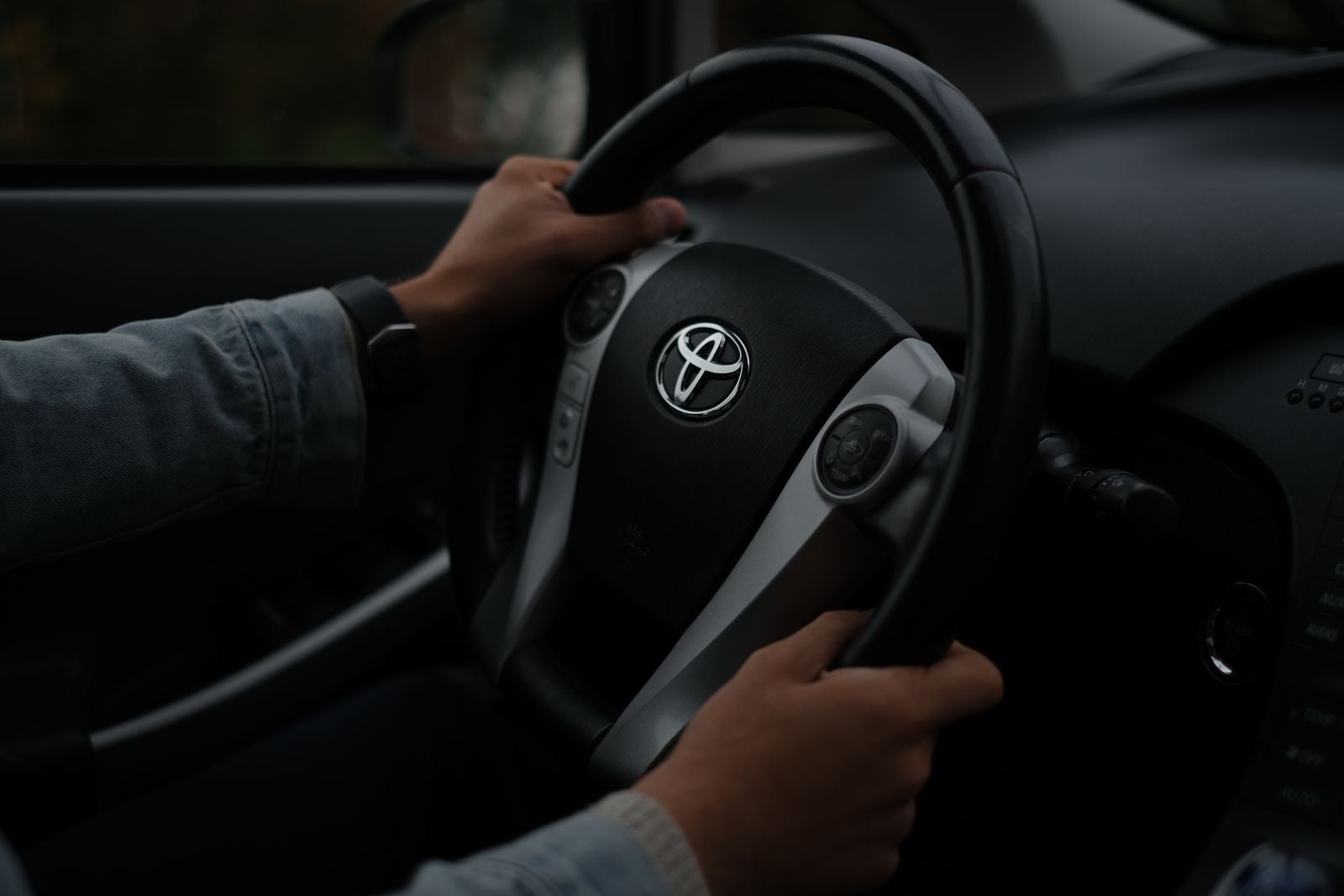
 Photo by Hannah Russell on Pexels
There is a real thing the accusation is reaching for. Controlling behaviour in relationships tends to show up across many contexts, not just one. It looks like consistent patterns: who decides how money is spent, who gets a say in social plans, whose preferences default to the group’s preferences. That is what the trait literature means by a trait in the first place. Nature Index’s research summary on personality traits and individual differences describes traits as enduring patterns of thought, feeling and behaviour that distinguish one person from another, and notes that stable dispositions interact with the cues of a particular moment rather than overriding them. Traits are visible across situations, not just in one.
A person who insists on driving but happily lets other people plan the itinerary, choose the accommodation, and pick the podcast is not showing a controlling pattern. They are showing a driving pattern.
The confusion happens because control, in the ordinary sense of the word, is embedded in the act of driving itself. You are literally steering. So the metaphor is right there, waiting to be used. But metaphors are not evidence.
What the preference often is instead
Reading the behaviour more carefully, the driving preference usually falls into one of a few ordinary categories.
Some people find driving genuinely absorbing, in the way other people find washing dishes absorbing. This column has written before about people who prefer washing dishes by hand, and the appeal is rarely nostalgia: they have found a task that gives their attention somewhere to go. Driving is similar. Hands occupied, eyes forward, a purpose that will not tolerate scrolling.
Others prefer driving because being a passenger is worse. Motion sickness is real and unglamorous. Some people cannot read, look at a screen, or sit sideways in a car without becoming quietly miserable for the next two hours. Driving is not a power move for them. It is the least bad option.
And some people simply plan differently when they are the driver. They are more relaxed knowing the route is theirs to manage. This is not the same as needing to run everything. It is the same instinct as the person who arrives at the airport three hours early: they have found a way to reduce a specific stressor, and it happens to look like effort from the outside.
The design-your-environment pattern
There is a broader habit worth naming here, because it recurs across a lot of everyday behaviour. Some people manage themselves by managing their situations. They pack snacks so they will not buy rubbish at petrol stations. They put their phone in another room so they will not scroll. They volunteer to drive so they are not stuck in the passenger seat feeling queasy.
This is the pattern underneath what looks like effortless discipline: the people who seem best at self-control are often the ones who have quietly arranged their surroundings so the hard choice does not come up. The self-control lives in the setup, not the moment.
The same idea shows up in the research on which personality traits make self-control easier. As Forbes summarised in a piece on personality and self-control, conscientious people tend to design their environments and routines so that temptation shows up less often. Their discipline is proactive rather than reactive. Volunteering to drive can be a version of this. If being a passenger makes you anxious, motion-sick, or bored in a way that will leak into the rest of the day, driving removes the problem before it starts.
None of this is controlling. It is preference plus preparation.
Where it does become worth noticing
The read changes when the driving preference is one item in a longer list. If the same person also decides where the group stops, refuses to hand over the keys even when tired, gets irritable when their route is questioned, and treats the passengers’ input as interference rather than information, then the pattern is no longer about driving. It is about a general orientation toward being the one in charge.
That is the difference the trait literature is pointing at. A single behaviour in a single setting is thin evidence. A pattern across settings is thicker.
The tell is often not the driving itself but the response when someone else offers to take over. A person with a driving preference will usually say yes, or say no with a plain reason: I’m not tired, I don’t mind, I know this bit. A person with a broader pattern will find the offer harder to accept, and the reasons will start to sound less like preferences and more like justifications.
The quieter version of the same conversation
Some of the most useful conversations about who drives, and why, do not happen in the car at all. They happen on the pavement afterwards, or on a walk somewhere else entirely. This column has looked before at how walking side by side lowers the sense of confrontation enough that things which cannot be said across a table can be said along a footpath. The car has some of that same quality. Nobody is looking at anyone. Everybody is pointed at the road.
Which is maybe why the driver, when it is the same person every time, sometimes gets more than they bargained for. You volunteer for the wheel because you like driving, and you end up in charge of the hardest conversation of the weekend, because the geometry of the front seat makes it possible.
A last note on reading people
Most of the small social habits people get analysed for are less revealing than they look. The friend who always drives, the friend who always cooks, the friend who always books the table. These are usually preferences that have hardened into roles because nobody minded, and the person who does the thing likes doing it.
The controlling read gets applied because control is a satisfying explanation. It closes the loop. It gives the behaviour a motive. But most behaviour does not have that kind of motive. It has a reason, which is usually smaller and duller than the story people would prefer.
If the person who always drives is also warm, flexible, and easy about the rest of the trip, they are probably just someone who likes to drive. Let them.