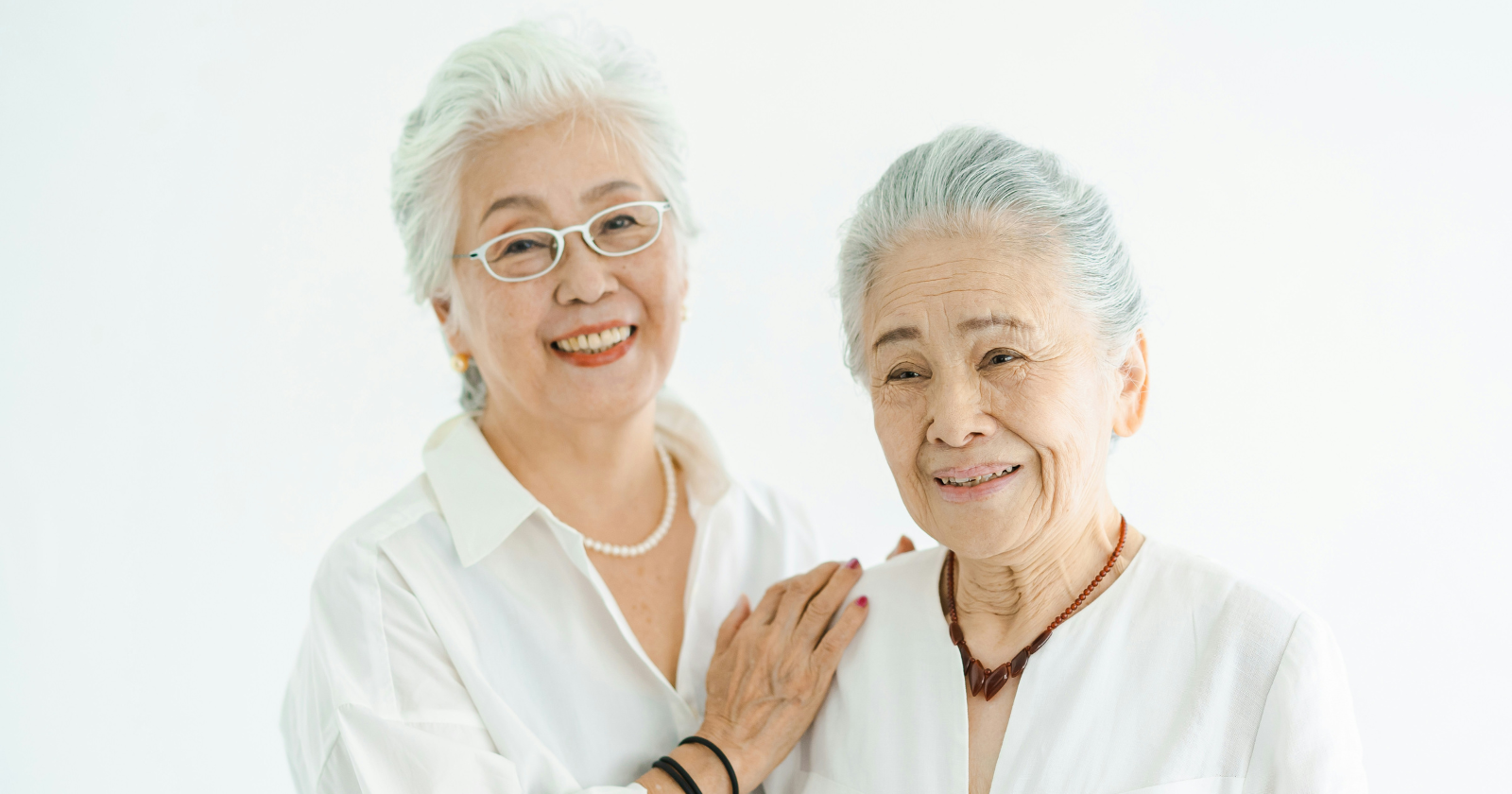
Ever wonder why Japan has over 90,000 centenarians while most countries struggle to have a few thousand?
It’s not just genetics. After years of studying Eastern philosophy and researching how different cultures approach aging, I’ve become fascinated by what Japanese centenarians do differently. These aren’t radical changes or expensive supplements. They’re simple, daily practices that anyone can adopt.
The Japanese have a saying: “Nana korobi ya oki” – fall seven times, stand up eight. This resilience, combined with specific lifestyle choices, creates a formula for not just living longer, but living better.
Today, we’re diving into eight things Japanese centenarians do that add decades to their lives. And here’s the kicker: you can start doing most of them today.
1. They practice “hara hachi bu” (eating until 80% full)
This one blew my mind when I first learned about it.
In Okinawa, home to some of the world’s longest-living people, there’s a 2,500-year-old Confucian practice of stopping eating when you’re 80% full. Not stuffed. Not even completely satisfied. Just… mostly full.
Many Asian cultures share a similar reverence for mindful eating, treating meals as social events rather than fuel stops. But the Japanese take it further with this specific 80% rule.
Why does this work? Your brain takes about 20 minutes to register fullness. By stopping at 80%, you’re actually hitting the sweet spot of satisfaction without overloading your system. Studies show that mild caloric restriction can extend lifespan by reducing oxidative stress and inflammation.
Try this: Put your fork down between bites. Check in with yourself halfway through your meal. Ask yourself, “Could I stop now and be okay?” You might be surprised at the answer.
2. They maintain strong social connections through “moai”
Loneliness kills. Literally. Research shows it’s as dangerous as smoking 15 cigarettes a day.
Japanese centenarians have something called “moai” – committed social groups that meet regularly for decades. These aren’t casual Facebook friends. These are ride-or-die crews who support each other financially, emotionally, and socially throughout their entire lives.
I explore this concept of meaningful connection in my book “Hidden Secrets of Buddhism: How To Live With Maximum Impact and Minimum Ego”, where I discuss how Buddhist principles emphasize the interconnectedness of all beings.
Think about your own social circle. How many people would show up if you needed help moving? How many would lend you money in a crisis? Japanese centenarians typically have at least five.
The lesson? Quality beats quantity. Invest deeply in a few relationships rather than spreading yourself thin across dozens.
3. They find their “ikigai” (reason for living)
Ask a 102-year-old in Okinawa why they get up in the morning, and they’ll tell you immediately. Their grandchildren. Their garden. Their craft. They have an ikigai – a reason for being.
This isn’t about finding your passion or following your dreams. It’s simpler and more profound. It’s about having something that makes you want to wake up tomorrow.
Research from Japan’s National Center for Geriatrics and Gerontology found that people with a strong sense of ikigai had lower rates of cardiovascular disease and lived longer overall.
Your ikigai doesn’t need to be grand. One centenarian I read about said hers was feeding the neighborhood cats. Another’s was maintaining the local shrine. The key is having something beyond yourself that needs you.
What gets you out of bed? If you’re struggling to answer, start small. Volunteer once a week. Learn a new skill. Plant something and watch it grow.
4. They stay physically active without “exercising”
Here’s something wild: Japanese centenarians don’t go to gyms.
Instead, they practice what researchers call “incidental exercise.” They walk to the market. They tend gardens. They sit on the floor and stand up dozens of times a day (try that at 85).
This natural movement throughout the day is actually more beneficial than intense gym sessions followed by eight hours of sitting. The body thrives on consistent, gentle movement rather than sporadic intense bursts.
In Okinawa, even 90-year-olds ride bicycles to visit friends. They don’t think of it as exercise. It’s just life.
The takeaway? Stop separating “exercise” from “living.” Take the stairs. Walk to get coffee. Garden. Dance while cooking. Move because you’re alive, not because you should.
5. They bathe in hot springs or take regular hot baths
The Japanese relationship with bathing goes way beyond cleanliness.
Regular hot baths or visits to onsen (hot springs) are linked to better cardiovascular health, improved sleep, and reduced stress. A 2020 study found that daily hot baths reduced the risk of cardiovascular disease by 28%.
But it’s not just about the hot water. It’s about the ritual. The pause. The transition from day to night. Japanese centenarians treat their bath time as sacred, a daily meditation of sorts.
You don’t need a hot spring in your backyard. A simple hot bath for 15-20 minutes before bed can lower cortisol, improve circulation, and signal your body that it’s time to wind down.
6. They consume minimal processed foods
Walk through a Japanese centenarian’s kitchen, and you’ll notice what’s missing: packages.
Their diet consists mainly of vegetables, tofu, fish, seaweed, and fermented foods. Sweet potatoes make up 67% of the traditional Okinawan diet. Not chips made from sweet potatoes. Actual sweet potatoes.
This connects to something I discuss in “Hidden Secrets of Buddhism: How To Live With Maximum Impact and Minimum Ego” – the Buddhist principle of mindful consumption. What we put into our bodies directly impacts our mental and spiritual well-being.
The magic isn’t in any single superfood. It’s in what they’re not eating: processed oils, refined sugars, chemical preservatives. Their bodies aren’t fighting off a constant stream of inflammatory foods.
Start simple. Replace one processed meal a day with whole foods. Cook more. Read labels. If your great-grandmother wouldn’t recognize it as food, maybe reconsider.
7. They maintain a sense of purpose through work or hobbies
Retirement as we know it doesn’t exist for Japanese centenarians.
They don’t stop working at 65 and spend the next 35 years watching TV. They shift to different types of meaningful activity. They teach younger generations. They perfect crafts. They contribute to their communities in whatever way they can.
One 96-year-old sushi chef still works every day, not because he needs the money, but because he loves the mastery. Another centenarian teaches traditional weaving to keep the art alive.
This purposeful engagement keeps the brain sharp and the spirit engaged. Studies show that people who retire completely have higher rates of cognitive decline and depression.
The lesson? Don’t retire from something, transition to something. Keep learning. Keep contributing. Keep mattering.
8. They practice daily stress-reduction rituals
Stress is the silent killer, and Japanese centenarians know it.
They have built-in stress buffers throughout their day. Morning radio exercises. Afternoon tea ceremonies. Evening prayers at household shrines. These aren’t special occasions. They’re daily non-negotiables.
What strikes me about these rituals is how simple they are. There’s no app required, no expensive equipment, no guru needed. Just small, consistent moments of pause woven into everyday life.
Psychology research backs this up. Regular stress-reduction practices lower cortisol, reduce inflammation, and protect telomeres – the caps on your chromosomes that shorten with age and stress. In other words, managing stress literally slows down your biological clock.
You don’t need to adopt a full tea ceremony. But what if you spent five minutes each morning in silence? What if you had a nightly wind-down ritual that didn’t involve a screen? What if you built small moments of calm into your day, every single day?
The compound effect of these tiny pauses, practiced over decades, is extraordinary.
The bigger picture
What fascinates me most about Japanese centenarians isn’t any single habit. It’s how all eight of these practices weave together into a way of life that supports longevity from every angle – physical, mental, social, and spiritual.
They eat mindfully. They move naturally. They connect deeply. They live purposefully. They rest intentionally.
None of these habits require wealth, special genetics, or extraordinary willpower. They require consistency and the belief that small daily choices matter more than dramatic interventions.
You don’t need to move to Okinawa to benefit from these lessons. Start with one. Practice hara hachi bu at your next meal. Call a friend you haven’t spoken to in months. Take a hot bath tonight instead of scrolling your phone.
The Japanese centenarians didn’t set out to live to 100. They simply lived in ways that made 100 possible. And that’s the most powerful lesson of all.