
Technology, Politics, Mind. Since 2014.
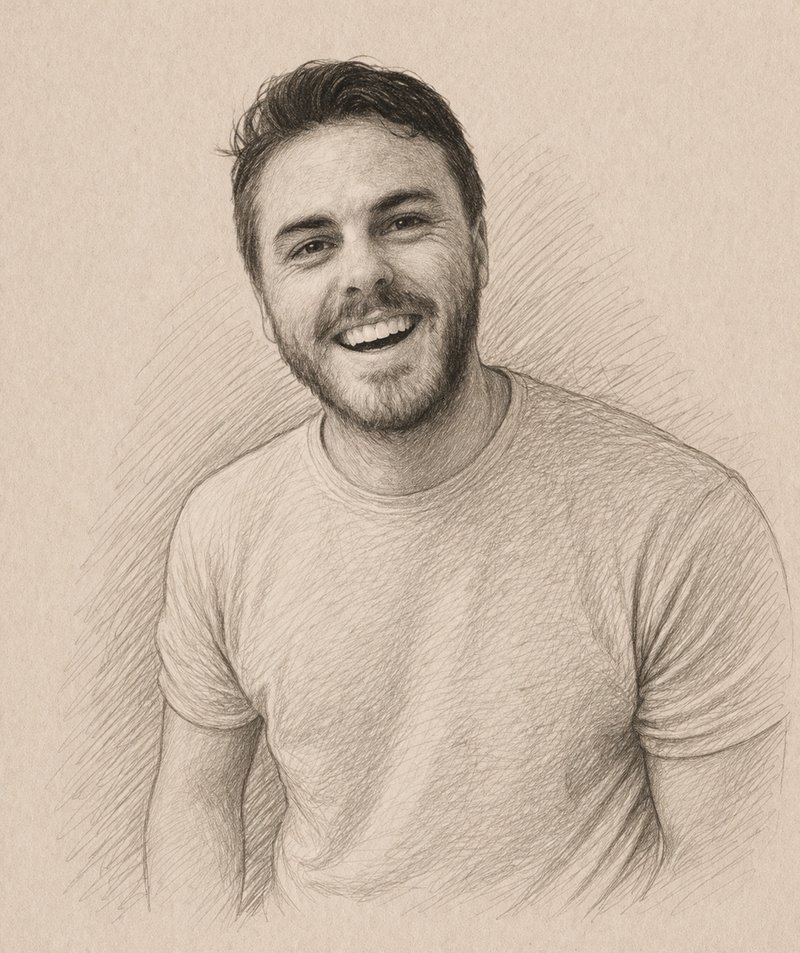
Lachlan Brown
Writer at Silicon Canals

Lachlan Brown

Co-Publisher

Lachlan Brown is a writer at Silicon Canals contributing across the Mind pillar. His background blends formal training — a Graduate Diploma in Psychological Studies from Deakin University — with a long practice of Eastern philosophy and two decades of operating businesses from scratch. He writes about high-performance routines, decision-making under pressure, and the discipline of clarity in technology work — where the patterns that govern building also govern living. He splits his time between Singapore and Ho Chi Minh City.

Profile on Brown Brothers Media →

Mind

A 2025 longitudinal study challenges the idea that greater discipline automatically creates happiness: across American and Asian samples, improvements in psychological well-being predicted stronger self-control months later, while greater self-control did not predict later well-being—suggesting that feeling better may make discipline easier, rather than discipline always making us feel better.

Two three-wave samples found that earlier well-being predicted later self-control, while self-control did not reliably forecast later well-being after stable personal differences were separated.


Mind

College is still built around roommates, clubs, and thousands of potential friends, yet the share of seniors spending more than six hours a week socialising face to face fell from 74% in 1994 to 65% in 2026 — the loneliness crisis has reached the place designed to prevent it

A reported 32-year fall in seniors' face-to-face socialising is real enough to examine, but the public data show a threshold, a wording change and a recent plateau rather than a direct measure of loneliness.

Mind

Adults who reach midlife with few close relationships aren’t necessarily cold or antisocial. Long-term research increasingly shows that childhood adversity can leave a decades-long social imprint, making trust harder and increasing the odds of loneliness, weaker support networks and fewer close connections later in life.

Longitudinal research links childhood adversity with lower social connectedness, more isolation and greater loneliness in adulthood, but risk is not destiny and a small circle is not a personality diagnosis.

Mind

Feeling purposeless in your 60s or 70s isn’t simply a failure of character. Researchers can measure a broad decline in purpose across later adulthood, and some of its strongest correlates are exactly the losses that accumulate with age — declining health, widowhood and the disappearance of long-held social roles.

Longitudinal research finds an average decline in later-life purpose, but health, bereavement, social roles and even the questionnaire used all complicate the story.

Mind

A study following more than 1,000 children for decades found that self-control measured between ages 3 and 11 predicted better health and financial outcomes in adulthood — and the relationship remained even after researchers accounted for intelligence and childhood social class.

The Dunedin cohort linked repeated childhood self-control measures with adult health and finances, even after adjustment for IQ and social class. The result is substantial, but it is not destiny or proof of causation.