Ever stared at something so daunting that your brain just shut down? That was me, standing in a Melbourne warehouse, surrounded by endless rows of TVs that needed shifting. Fresh out of university with a Graduate Diploma of Psychological Studies, I’d taken this job thinking it would be temporary. Just a quick way to pay bills while I figured out my next move.
But weeks turned into months, and I found myself stuck. The gap between my education and this soul-crushing reality felt insurmountable. Every morning, I’d wake up thinking about quitting, about doing something meaningful with my life. But how? Starting my own thing seemed impossible.
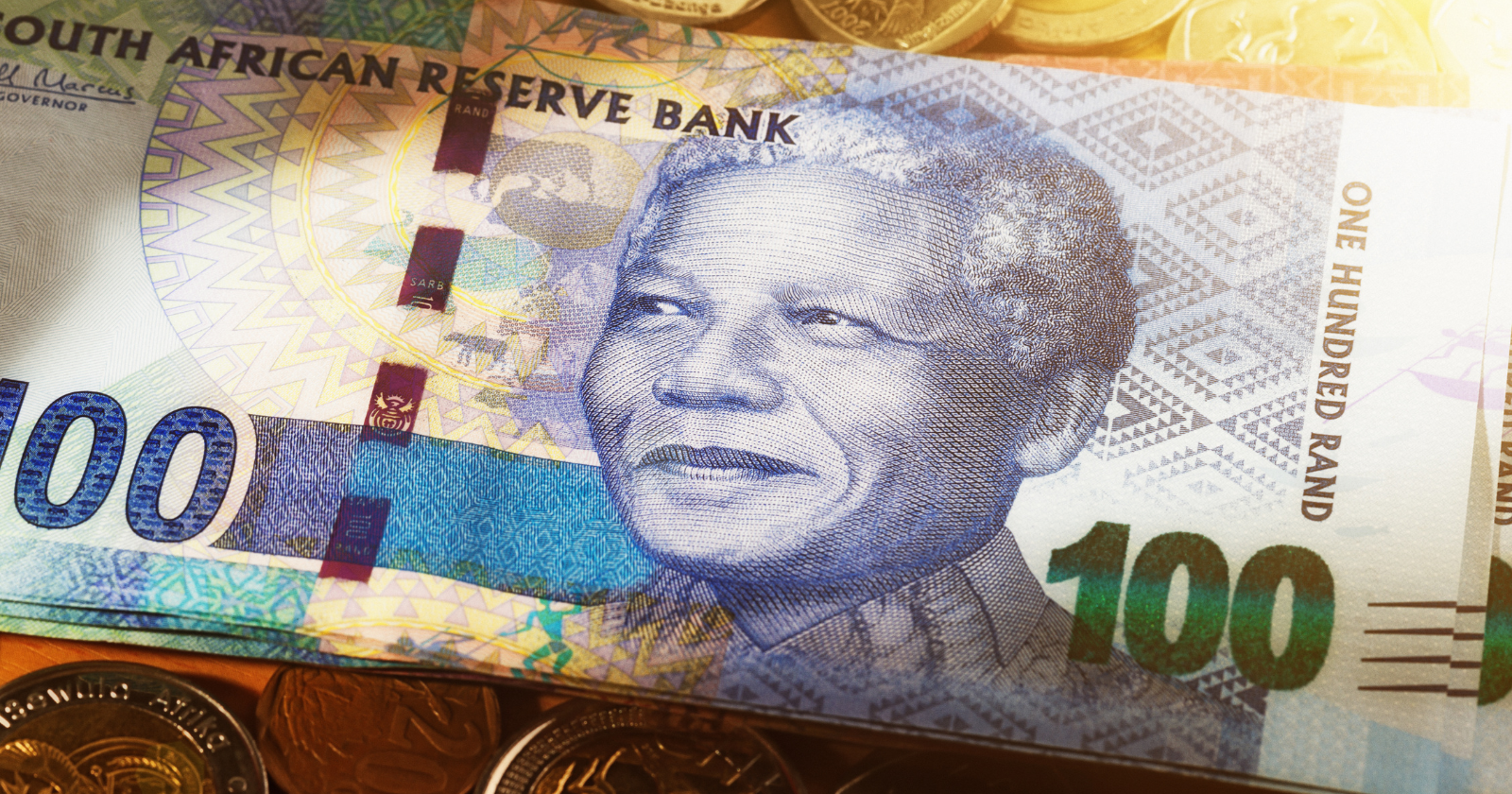
A line widely attributed to Nelson Mandela says, “It always seems impossible until it is done.” The Nelson Mandela Foundation has no record of him saying it. Back then, those words would have felt like empty motivation. But now, years later, after founding Hack Spirit and building a life around work that actually matters to me, I understand exactly what he meant.
The thing about impossible tasks is that they’re only impossible in our heads. We build them up into these massive, unconquerable mountains. We tell ourselves stories about why we can’t, why we shouldn’t, why it won’t work. And then one day, if we’re brave enough or desperate enough, we take that first step anyway.
The psychology of “impossible”
Something challenging or unfamiliar can feel threatening long before we know whether it truly is. Fear and doubt can make the task ahead look larger than it is.
But here’s the kicker: most of what feels impossible today isn’t actually dangerous. It’s just uncomfortable.
Starting that business? Uncomfortable, not impossible. Having that difficult conversation? Uncomfortable, not impossible. Changing careers at 40? You get the idea.
The warehouse job taught me this lesson in the most visceral way. Every day felt impossible. The physical exhaustion, the mental numbness, the creeping sense that I was wasting my potential. But I kept showing up. And slowly, something shifted.
I started seeing the job differently. Instead of viewing it as proof of my failure, I began treating it as fuel for change. The discomfort became my teacher. The frustration became my motivator.
In Buddhism, there’s a concept called “turning poison into medicine.” It’s the idea that our greatest challenges can become our greatest opportunities for growth. This resonates deeply with what I explore in my book Hidden Secrets of Buddhism: How To Live With Maximum Impact and Minimum Ego, where I discuss how Eastern philosophy can help us reframe our struggles.
Breaking down the mountain
So how do we actually tackle the impossible? How do we go from paralyzed to productive?
The secret isn’t to suddenly become fearless. It’s to become strategic about our fear.
Think about Mandela himself. Twenty-seven years in prison. Fighting against an entire system of oppression. Leading a nation toward reconciliation instead of revenge. These weren’t just difficult tasks; they were historically unprecedented challenges.
But he didn’t wake up one day and accomplish all of it. He took it step by step, day by day, decision by decision.
When I finally decided to leave that warehouse job and start Hack Spirit, I didn’t have a master plan. I just knew I needed to create something that gave accessible advice for people like me who were struggling to find their way.
The first article was terrible. The website looked like something from 1995. Nobody read it for months. But I kept going, because I’d learned something crucial: impossible is just a temporary state of mind.
The compound effect of small actions
Here’s what nobody tells you about doing impossible things: they’re mostly boring.
Building Hack Spirit wasn’t glamorous. It was late nights writing articles after exhausting warehouse shifts. It was learning SEO from YouTube videos. It was sending emails that never got responses.
But each small action compounded. Each article made me a slightly better writer. Each failure taught me what didn’t work. Each small win gave me just enough momentum to keep going.
The Buddhist concept of “right effort” applies perfectly here. It’s not about forcing things or pushing through with sheer willpower. It’s about consistent, mindful action in the right direction. Even when progress feels invisible.
Remember, a river doesn’t carve through rock because it’s powerful. It does it through persistence.
Redefining your relationship with failure
Want to know the biggest difference between people who achieve “impossible” things and those who don’t?
It’s not talent. It’s not luck. It’s not even hard work, though that certainly helps.
It’s their relationship with failure.
When I first started pitching article ideas to bigger publications, I got rejected constantly. When I tried to grow Hack Spirit’s audience, most strategies failed. Every early setback felt like confirmation that the whole venture was doomed.
But here’s what I learned: failure isn’t the opposite of success. It’s a component of it.
Every “no” taught me how to get a “yes.” Every setback showed me a better path forward. Every moment of doubt forced me to clarify what I really wanted.
As I explore in Hidden Secrets of Buddhism: How To Live With Maximum Impact and Minimum Ego, the Buddhist principle of non-attachment can transform how we view failure. When we stop clinging to specific outcomes, we free ourselves to learn from whatever happens.
The power of full commitment
Sometimes, making the impossible possible requires eliminating the option to retreat.
For me, keeping an easy escape route sometimes became a reason not to commit fully. That is a personal experience, not a general rule: fallback options can also be sensible protection.
This doesn’t mean being reckless. It means being honest about what’s holding you back. Often, our backup plans become our primary excuse for not fully committing to our dreams.
When I decided to go all in on Hack Spirit, I had to make that kind of honest assessment. Keeping one foot in a comfortable routine while trying to build something meaningful wasn’t working. Full commitment changed everything.
Finding your own impossible
Here’s a question worth asking yourself: What feels impossible in your life right now?
Maybe it’s leaving a relationship that’s no longer serving you. Maybe it’s starting that creative project you’ve been putting off for years. Maybe it’s having a conversation you’ve been avoiding.
Whatever it is, I want you to know something: That feeling of impossibility? It’s not a wall. It’s a doorway.
On the other side of that door is a version of you that you can’t even imagine yet. A version that’s done the thing you thought you couldn’t do. A version that’s proven to yourself that you’re capable of more than you believed.
Final words
Looking back now, that warehouse job wasn’t my lowest point. It was my launching pad. The desperation I felt there became the fuel for everything that came after.
The line reminds us that our perception of impossibility is usually just that — a perception. The prison of “I can’t” is one we build ourselves, bar by bar, with our thoughts and beliefs.
But here’s the beautiful thing: if we built it, we can dismantle it.
Start small. Take one tiny step toward whatever feels impossible today. Send that email. Write that first paragraph. Have that conversation. Because on the other side of “impossible” is a life you never thought you could have.
It always seems impossible until it is done.