
You know the type. They don’t light up when you walk into the room. They won’t laugh at your joke just to be polite. In group settings, they’re the quiet one in the corner, arms crossed, offering a dry comment that lands like a punchline only because they didn’t try. They seem distant, maybe even indifferent.
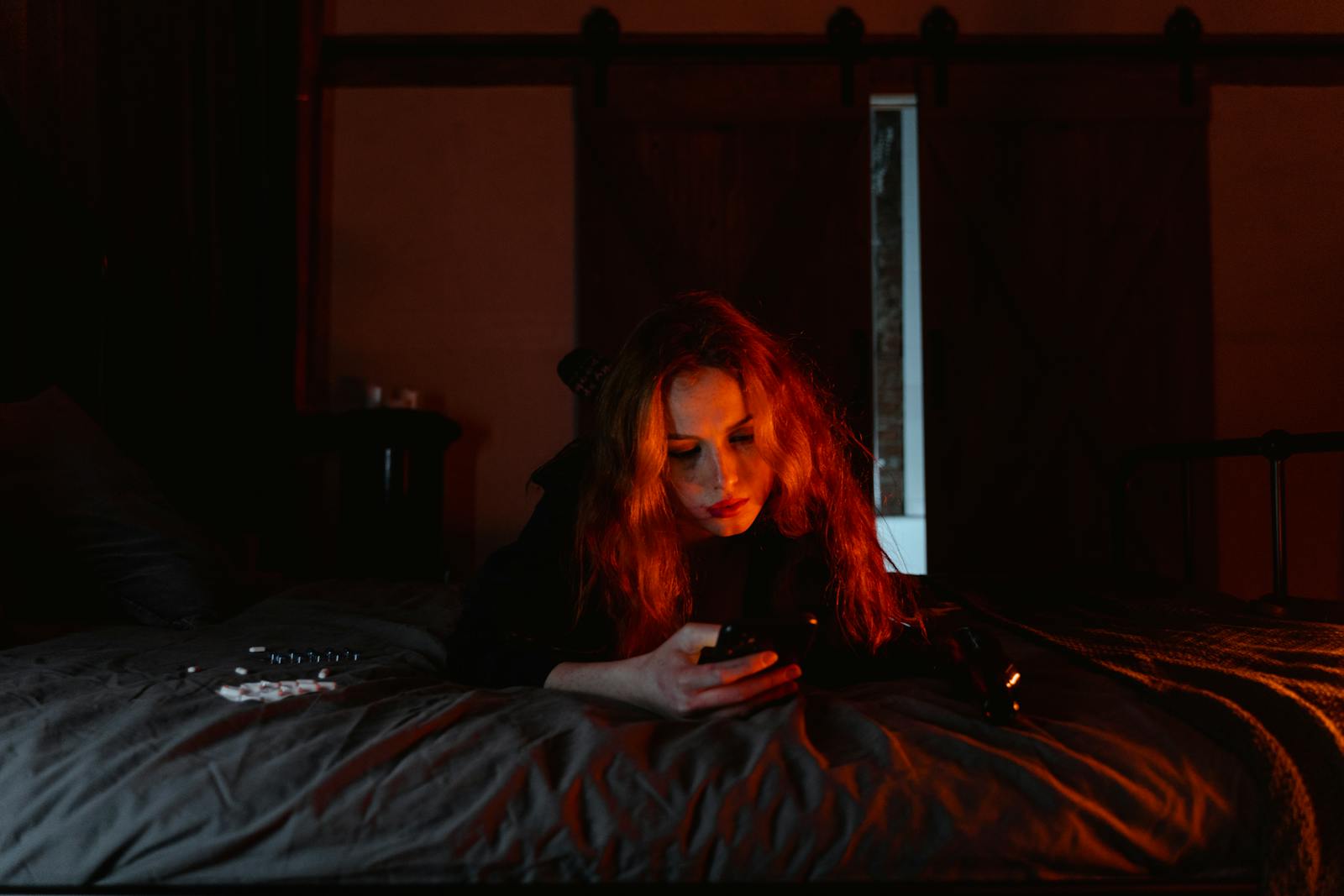
Then you get home, toss your keys on the counter, and your phone buzzes: “Did you get back okay?”
That single text tells you more about who they are than a hundred warm smiles ever could.
The gap between warmth and care
Western culture has a deeply embedded equation: warmth equals love. We expect caring people to be expressive, open, demonstrative. We expect them to hug, to gush, to ask follow-up questions in an animated voice. When someone doesn’t perform these rituals, we often code them as cold, detached, or emotionally unavailable.
But psychologists have long distinguished between expressed warmth and felt concern. A landmark study in personality research from the Journal of Research in Personality found that individuals high in agreeableness (the trait most associated with overt warmth) were not necessarily more likely to engage in prosocial behavior when it counted. In other words, the people who seem the friendliest in a room aren’t always the ones who show up when it matters.
The person who texts you at midnight to make sure you’re safe is operating from a different emotional register. Their care isn’t a performance. It’s a quiet, deliberate act, born from paying attention.
What “cold” often actually means
Let’s get specific about what we’re really observing when we label someone cold. Usually, we’re noticing one or more of these traits:
Low expressiveness. They don’t externalize emotions readily. Their face doesn’t broadcast what they feel. This is temperamental, often present from early childhood, and has very little to do with how deeply they experience emotion internally.
Selective engagement. They conserve social energy. They don’t do small talk well because they find it draining, not because they don’t care about people. When they do engage, it tends to be precise and meaningful.
Guarded attachment style. Many people who present as emotionally reserved developed that reserve as protection. Research on adult attachment styles shows that individuals with avoidant tendencies often care deeply but struggle with vulnerability. Their “coldness” is armor, not absence.
The text asking if you got home safe is what happens when care punches through the armor anyway.
Actions as the real emotional language
Gary Chapman’s love languages framework, for all its pop-psychology limitations, got one thing right: people express care in fundamentally different ways. Some people say “I love you” easily. Others show it by remembering you mentioned your car was making a weird noise and then sending you the number of their mechanic three days later, unprompted.
The “cold” person who checks on you is often fluent in what we might call instrumental care. They express love through logistics, through anticipation, through quietly removing obstacles from your path. They’re the friend who notices you haven’t eaten and puts a plate in front of you without asking. The partner who fills your gas tank on a Sunday night because they know your Monday mornings are brutal.
These behaviors reveal something important about how they process the world. They’re watching. They’re cataloging. They remember what you said about being nervous driving in the rain two months ago, and that’s exactly why the text arrives on a rainy night.

Why we undervalue quiet loyalty
There’s a cognitive bias at play here. Psychologists call it the expressiveness halo effect: we attribute more positive qualities to people who are emotionally animated. Expressive people seem more trustworthy, more intelligent, more kind. This is well-documented in social perception research, and it means that reserved individuals are fighting an uphill battle for recognition.
The consequence is that quiet loyalty often goes unnoticed until it’s tested. The friend who rarely initiates plans but drives two hours to help you move. The sibling who never says “I’m proud of you” but quietly co-signs your loan application. These acts of care are easy to overlook precisely because they arrive without fanfare.
If you’ve ever wondered about the deeper patterns behind how people manage their emotional energy, it’s worth understanding how solitude and introversion play into personality. People who recharge alone often have rich internal lives that fuel their capacity for noticing what others need.
The neuroscience of quiet attention
Here’s where it gets interesting from a brain perspective. Research on introversion and neural processing, particularly work by Dr. Marti Olsen Laney, suggests that introverted individuals use a longer neural pathway for processing stimuli, one that routes through areas associated with planning, memory, and internal reflection. They’re literally processing social information more deeply.
This means the person who seems checked out at dinner might actually be the one most attuned to shifts in your mood. They noticed you went quiet after that comment about work. They clocked the slight change in your posture. They filed it away. And later, when the group chat has moved on, they send a separate message: “Hey. You okay?”
That depth of processing is a gift, even if it doesn’t come wrapped in sparkly social packaging.
How to recognize (and appreciate) this kind of care
If you have someone like this in your life, here are a few things worth keeping in mind.
Don’t mistake silence for indifference
The absence of verbal affirmation doesn’t mean the absence of feeling. Pay attention to what they do. Track their actions over weeks and months, and you’ll often find a pattern of consistent, reliable care that speaks louder than words ever could.
Don’t force them to perform warmth
Asking a reserved person to be more expressive is like asking a left-handed person to write with their right hand. They can do it, but it will feel unnatural, exhausting, and slightly wrong. Accept their emotional dialect rather than demanding they translate everything into yours.
Reciprocate in their language
If they show love through actions, respond through actions. Instead of a long emotional speech about how much they mean to you (which may make them uncomfortable), try showing up in the concrete, practical ways they understand. Remember something they mentioned. Follow through on a small promise. Be reliable.
Tell them you noticed
This one matters. Reserved people rarely get credit for their care because it’s so quiet. A simple “I really appreciated that text last night” can land with surprising force for someone who assumes their efforts go unseen.
The quiet ones who keep watch
There’s a particular kind of person who moves through life like a lighthouse keeper. They don’t chase ships. They don’t wave from the shore. But every night, without fail, they make sure the light is on.
The “are you home safe” text is their light. It’s small, steady, and easy to take for granted. But if you’ve ever been on the receiving end of it, you know what it really says: I was thinking about you. I tracked your journey in my mind. Your safety matters to me, even if I’ll never say it that way out loud.
In a world that rewards loud affection, there’s something deeply grounding about people who care in whispers. They won’t be the first to tell you they love you. But they might be the last ones still standing next to you when everything gets hard.
Pay attention to the people who check on you without being asked. Their coldness was never coldness at all. It was just love, speaking a language most people haven’t learned to hear yet.
Feature image by SHVETS production on Pexels