
Work & Money
Most people reuse the same passwords across dozens of websites
Most people protect their digital lives with a handful of passwords they've memorized—a security practice so common it's become catastrophic.


Most people protect their digital lives with a handful of passwords they've memorized—a security practice so common it's become catastrophic.

A Dutch court sided with a worker who refused constant video surveillance, forcing his employer to pay damages—a warning shot across the evolving battle over remote work monitoring.

Rapidly changing feed content may increase task switching and decision-making, which can make scrolling feel mentally tiring.
When work becomes your only mirror, you lose the ability to recognize when enough is enough.
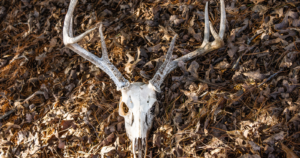
Thawing permafrost in the Arctic is releasing pathogens dormant for decades, a preview of the infectious diseases climate change may resurrect from melting ground.

Chronic punctuality might say less about obsessive control than about a deeper fear of what lateness would reveal.

What looks like stubbornness may actually be the last stand against losing autonomy—and every small concession feels like surrender.

By turning thousands of solar flares into calibration targets, scientists discovered their X-ray telescope has been systematically underestimating the sun's most violent eruptions.
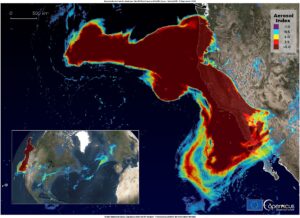
Forests are dying faster than we can see them—but a pollution-tracking satellite is catching the collapse two years early.
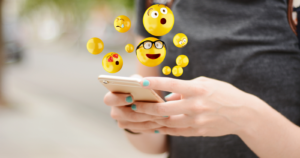
Your sensitivity to digital tone might be less about playfulness and more about a real vulnerability in text: the ease with which genuine warmth gets lost in translation.

Aging often brings a calculated silence—not withdrawal, but the hard-won wisdom that most arguments aren't worth the cost.

The gap between what you're worth and what you'll accept often begins not in a negotiation room, but in childhood.