

The ‘next normal’: Nordic fintechs and the surge in demand for digital services
COVID-19 restrictions across the world are relaxing and everyone is adapting themselves to the new normal.

The economy of building technology — markets, startups, capital flows, and the operating decisions behind ambitious companies.
8,345 articles · Business
COVID-19 restrictions across the world are relaxing and everyone is adapting themselves to the new normal.

We all know that buying or renting properties is never an easy task, but Dubai-headquartered proptech startup Nomad Homes wants to make the experience swift for its users.

Farewill, the UK’s startup which claims to be best-rated death experts and also winner of the 2019 National Will Writing Firm of the Year…

As lockdown restrictions begin the lift, cities are faced with a new set of challenges and one of the most significant challenges among them is arranging transportation with utmost safety precautions.

Yes, the pandemic has halted all our travel plans, and we might be confined to the boundaries of our own homes.
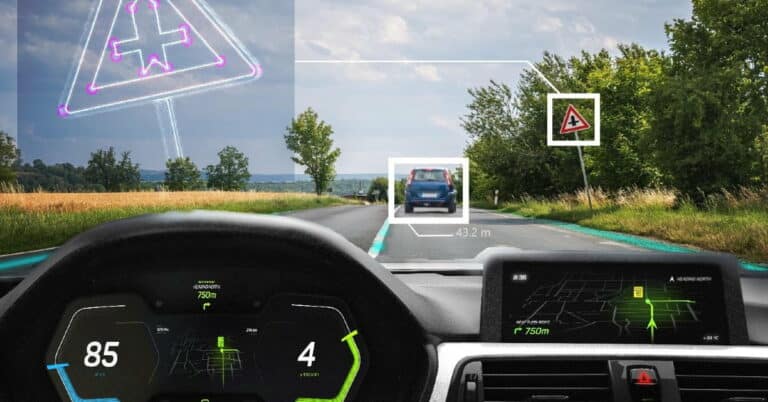
In 2017, there were 511,455 crashes in the US involving a large truck or a bus.

The tech startup ecosystem in France is witnessing a spectacular growth, thanks to the fresh pool of aspirational entrepreneurs and investors.

The ride-hailing app Uber, which also operates as a food delivery company UberEats will acquire Postmates for $2.65 billion (approx €2.34 billion) in an all-stock transaction, after all the struggle to buy out Grubhub tanked previously.

At present, robots and humans work together in various industries towards a better life and more efficient businesses.

This year, the market for European IPOs (Initial Public Offerings) has been stifled until now due to the current pandemic crisis.


The adoption of technology across industries is booming than ever before.