

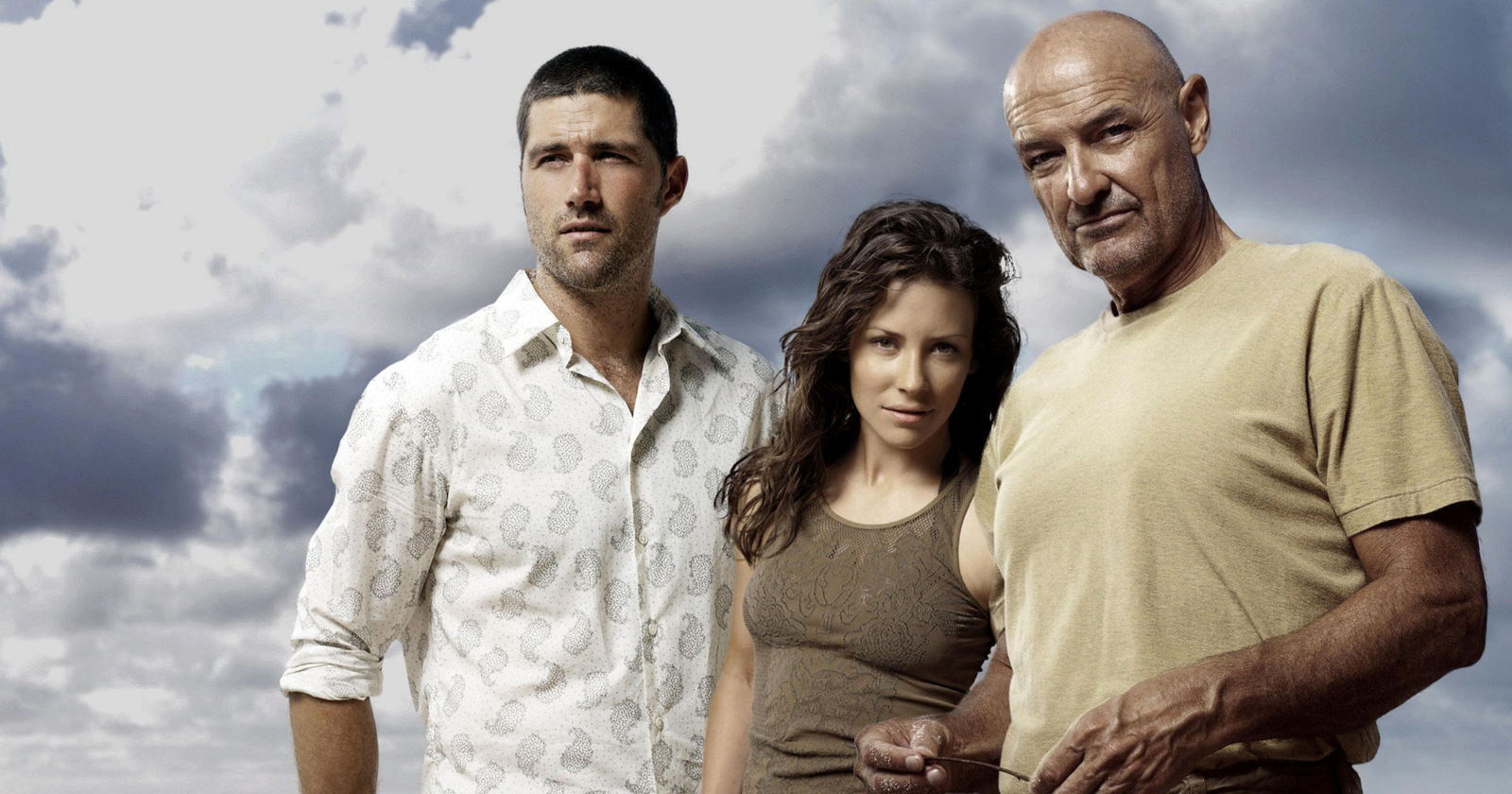
Correction, 15 September 2026: The original excerpt said Lloyd Braun ‘didn’t live to see’ Lost become television history, although he is alive, and the headline placed his departure during filming of the first season. Braun left ABC in April 2004 while the pilot—not the season—was being made.
Lloyd Braun championed and greenlit Lost, then left ABC while its unusually expensive pilot was being made in Hawaii. The pilot aired months later, after his departure, and the series became one of the defining network hits of the decade. He was no longer at ABC to share in that success; he did not, as the original summary implied, die before it.
The story of how that happened is less about a TV show than about the specific, brutal math of studio politics: being right about something is not the same as being allowed to stick around long enough to be credited for it.
A rejected script and a gamble on Alias’s creator
Braun’s original commission for what became Lost didn’t work. According to accounts of the show’s development, he’d hired writer Jeffrey Lieber to develop the concept, and when that first script came back, Braun rejected it rather than wait for the next development cycle to produce something better. Instead, he moved fast and brought in J.J. Abrams, whose spy series Alias had built him a reputation as someone who could make serialized, high-concept television actually work for a mass network audience. It was, in effect, a bet placed on a specific person’s instincts rather than on a script that had already proven itself, at a network that generally preferred the opposite.
Disney CEO Michael Eisner was reportedly skeptical of the entire project, according to accounts of the period, and Braun pushed forward with production anyway. That decision put him in the position of personally owning the outcome of a show that hadn’t been written yet, made by a team whose most recent success was on a spy drama, not a survival epic with a cast this large.
It’s worth sitting with how much internal capital that takes. A network chairman overruling skepticism from the CEO of the parent company isn’t a casual move made on a hunch during a slow afternoon — it’s the kind of decision that gets remembered specifically if it goes wrong, and often forgotten quickly if it goes right, because the credit tends to migrate toward whoever’s still in the building when the ratings come in.
The most expensive pilot anyone had made
What Braun greenlit ballooned quickly. The production shot almost entirely on location in Hawaii rather than on a soundstage, imported an actual aircraft fuselage for the crash sequence, and built out visual effects work that a standard network pilot simply didn’t budget for. The final cost came in at roughly $13 million, making it one of the most expensive pilots ever produced for network television up to that point — a figure that had executives elsewhere at the company privately questioning whether any single episode of TV could possibly be worth it.
The man who overruled his own CEO to make the show possible wouldn’t be at the company long enough to find out if he’d been right.
Fired before the plane in the pilot ever crashed on air
Braun left ABC in April 2004 while the pilot was in production. J.J. Abrams told the Television Academy that Braun left while the team was shooting, and contemporary trade coverage reported his exit that April. The pilot had not aired, and the first season had not begun filming, so nobody yet knew whether the show would work.
It did. Lost premiered on September 22, 2004 to more than 18 million viewers, ABC’s best ratings performance in nearly four years, and went on to collect twelve Emmy nominations the following year alone, eventually running for six seasons and becoming one of the most talked-about, dissected, and imitated shows in the history of network television — a show credited, among other things, with popularizing the kind of long-arc mystery-box storytelling that later series like Game of Thrones would build entire seasons around.
Watching a bet pay off from somewhere else
Braun was no longer at ABC for any of it. He landed at Yahoo! that November, running its media group and helping build early properties like the celebrity site OMG! and a web video show, before leaving that role a couple of years later and eventually building his own production company. He has, by most accounts, made peace with how things unfolded — reportedly even lending his voice to Lost’s own opening titles at one point, a strange, quiet form of authorship-by-cameo for a show he no longer had any official claim to.
There’s something particular about watching a decision you made get proven right after you’ve already been removed from the room. It isn’t quite vindication, since nobody at ABC had to admit anything to him directly — the show’s ratings did that instead, publicly, for six years, long after his name had stopped appearing anywhere near the credits. Braun had bet his job on a script most of the industry considered a risk nobody sane would take on a beach in Hawaii, and he turned out to be exactly right about the part that mattered most. He just wasn’t there to enjoy being right.
What the timing actually proves
Still, this doesn’t make for a clean lesson about instinct getting rewarded. If anything, the Lost story argues the opposite: that being correct about a creative bet and being allowed to survive long enough to benefit from it are two entirely separate questions, decided by entirely separate people, on entirely separate timelines.
Braun read something in Abrams’s pitch that turned out to be one of the more accurate creative judgments in recent network history. The only part he didn’t get right was the timing of his own departure — and that part, as it turned out, was never really his to control.
