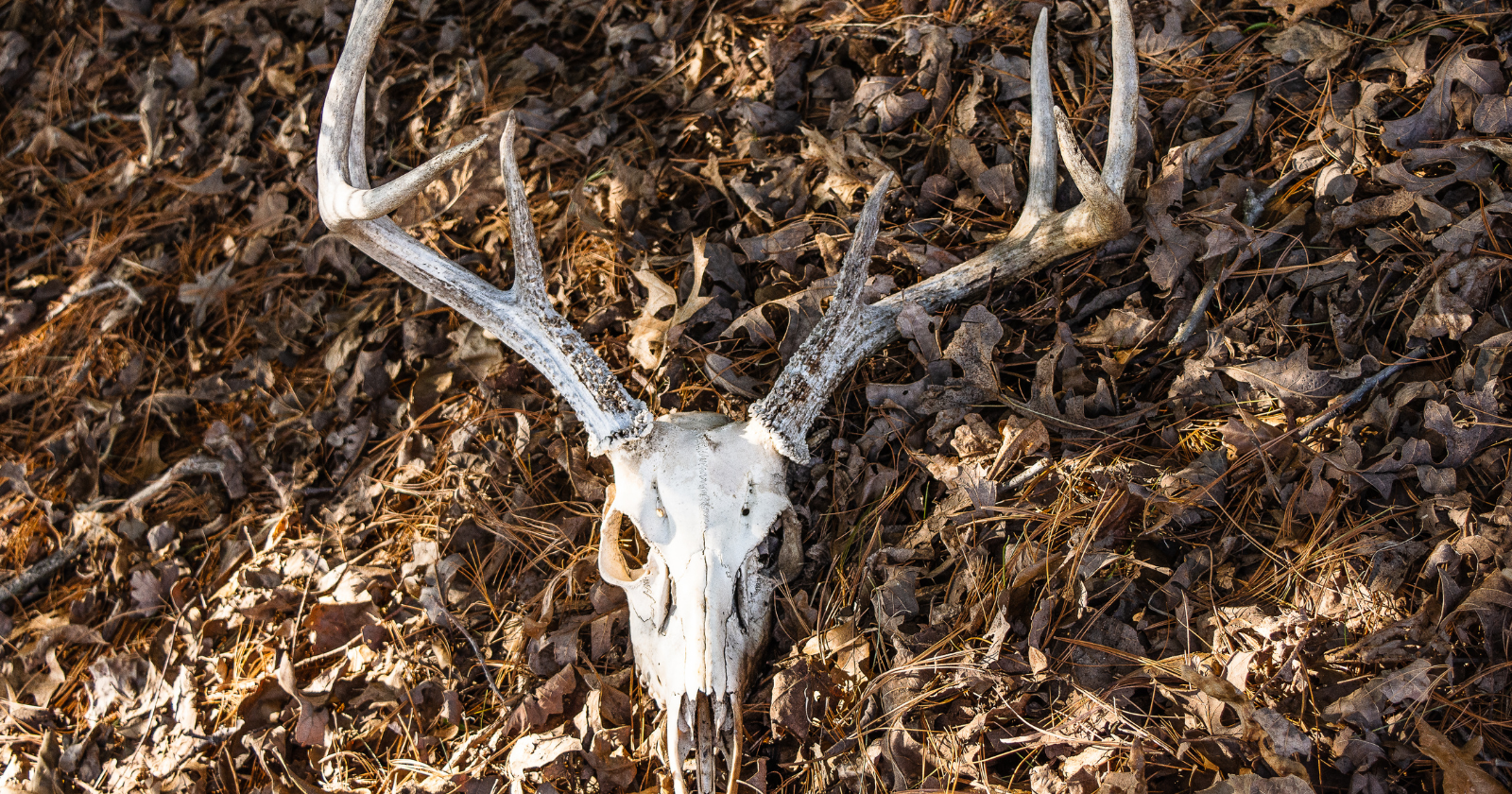
The 2016 anthrax outbreak on the Yamal Peninsula in northwestern Siberia is one of the more consequential public health events of the past decade that most people outside veterinary epidemiology have never heard of. It killed a child. It infected dozens of indigenous herders. It wiped out roughly 6 per cent of the domesticated reindeer population in the affected districts. And it did all of this by reawakening a pathogen that Russian veterinary authorities had officially declared eliminated from the region for the previous 48 years. The mechanism by which the outbreak happened — the thaw of permafrost that had preserved an infected carcass since 1941 — has implications well beyond the peninsula itself. It is, in effect, a case study in how a warming Arctic is beginning to release biological hazards that modern public health infrastructure had assumed were permanently contained.
Timeline of the outbreak
According to the June 2021 peer-reviewed analysis in Frontiers in Veterinary Science by Elena A. Liskova and colleagues at the Federal Research Center for Virology and Microbiology and Lomonosov Moscow State University, the July-August 2016 outbreak infected 2,650 reindeer, of which 2,350 died. The case fatality rate in the animal population was 88.67 per cent. Human infections occurred among the nomadic Nenets herders, whose subsistence economy depends on daily contact with the animals and, in some cases, on the traditional consumption of raw reindeer meat and blood. Roughly 96 people were evacuated for medical assessment. Between 20 and 36 human infections were confirmed. A twelve-year-old boy from a herder family died of the gastrointestinal form of the disease after consuming contaminated meat.
The 2016 heatwave that triggered the outbreak was unprecedented in the regional meteorological record. Monthly average air temperatures across the summer were 20 to 100 per cent above the corresponding thirty-year mean. Peak surface temperatures reached 35°C, approximately 20°C above the historical July average. Rainfall in July 2016 was less than 10 per cent of the thirty-year mean. The Liskova team notes that permafrost had in fact been thawing rapidly for six years before the outbreak, with warm summers followed by winters that had heavy snow cover, preventing the normal seasonal refreezing of the active layer. The 2016 event was the culmination of a multi-year warming trend that had already brought the buried carcass within reach of surface thaw.
Anthrax is what the thaw let out. There’s also what the ground is hiding: fires that never actually went out, burning under the snow all winter where nothing can reach them. Watch the fascating video below:
The vaccination gap
The compulsory reindeer vaccination programme against Bacillus anthracis had been in place across the Yamal Peninsula since the 1930s. It was formally discontinued in 2007. The Russian veterinary authorities responsible for the decision reasoned that the region had recorded no confirmed anthrax cases since 1941 and that the disease had therefore been effectively eliminated. The Liskova team’s post-outbreak review calls this decision the proximate operational failure that made the 2016 event possible. Nine years of unvaccinated animals grazing over ground that turned out to still contain viable spores produced a susceptible population large enough to sustain a full outbreak once the pathogen re-emerged.
The economic logic behind the 2007 discontinuation is worth understanding. Compulsory large-animal vaccination programmes are expensive to maintain at population scale, particularly across a remote and difficult-to-access geography like the Yamal Peninsula. Every year that passes without a confirmed case creates a stronger institutional argument for reallocation of the resources involved to more visibly pressing priorities. What the 2016 outbreak demonstrated, and what the Liskova team’s follow-up serological monitoring later confirmed, is that the reactivation of a suppressed pathogen from a preserved environmental reservoir can occur on a timescale that outlasts the institutional memory of the programme that had previously been suppressing it. Post-outbreak emergency vaccination of all reindeer on the peninsula produced antibody titres sufficient for protection in 89 per cent of the animals tested nine months later. The vaccination worked. It had simply been discontinued at exactly the wrong time.
The Arctic risk exposure
According to NPR’s August 2016 reporting by health correspondent Michaeleen Doucleff, drawing on interviews with Jean-Michel Claverie of the French National Centre for Scientific Research and with Birgitta Evengard, a microbiologist at Umeå University in Sweden, the 2016 Yamal event is not necessarily an isolated incident. Historical anthrax outbreaks in Siberia during the late nineteenth and early twentieth centuries killed over a million reindeer across the region. The infected carcasses were buried in the permafrost active layer at approximately 7,000 known cattle burial sites scattered across northern Russia, along with an unknown number of undocumented disposal sites. Russian veterinary policy has historically relied on the permanent freezing of these sites as a passive biological containment layer. The Arctic is now warming at approximately three to four times the global average rate, meaning that the depth of the annual thaw layer is progressively increasing across the entire high-latitude region. The passive containment assumption is systematically eroding.
The exposure extends beyond Russia. Similar permafrost burial sites, whether of animal or human origin, exist across Alaska, northern Canada, Greenland, and Scandinavia. Preserved genetic material of the 1918 Spanish influenza virus has already been recovered from human bodies buried in Alaskan permafrost. Evidence of smallpox and other historical epidemics is likely to exist in similar preservation elsewhere. Whether any of these pathogens remain viable in the way anthrax has proven viable is not currently known and is not being systematically investigated at the scale the risk arguably warrants.
The regulatory response
Russia reinstated compulsory anthrax vaccination for reindeer on the Yamal Peninsula immediately after the 2016 outbreak. The Liskova team’s projection under the RCP8.5 high-emissions climate scenario indicates that by the end of the century, average annual air temperature could rise above 0°C across the entire peninsula, which would fundamentally destabilise the deep permafrost that has served as the region’s biological containment infrastructure for millennia. The veterinary policy question this raises has no obvious analogue in the pre-climate-change regulatory frameworks that most national public health agencies still operate under. A programme of prophylactic vaccination against pathogens that have been officially eliminated but may re-emerge from thawing environmental reservoirs at unpredictable intervals across several decades is not something existing public health budgets are typically structured to sustain. The Yamal outbreak was one child, one district, one pathogen, and one heatwave. The underlying dynamic that produced it is now a permanent feature of the modern Arctic. What the regulatory response to that dynamic will look like at continental scale, across multiple national jurisdictions and multiple potential pathogens, is a question that the international public health system has not yet been asked to answer, and for which the twelve-year-old herder boy who died in the summer of 2016 was, in the strictly epidemiological sense, an early data point.