We are writers and editors, not clinicians, psychologists, or therapists. What follows is our reading of published research, not advice. The studies here are mostly observational or small, and a pattern across a group of people is not a prescription for any one reader’s life.
When we feel stressed, most of us reach for something to do: an app, a workout, a change of scene, a purchase. But some research points to something most of us don’t think of; spending a moment on something much larger than yourself, and it costs nothing.
The finding
The clearest recent evidence comes from a 2023 study led by Maria Monroy with Dacher Keltner’s group at UC Berkeley. Published in Scientific Reports, it tracked 269 community adults and a second group of 145 healthcare workers over 22 days during the COVID-19 pandemic. Every day, people recorded how much awe they felt and how they were doing.
The result? On days someone felt more awe than usual for them, they reported less stress, fewer physical symptoms, and greater well-being. The effect is a modest within-person association rather than a dramatic swing, and one caveat is worth holding onto: this shows awe and lower stress moving together, not that one causes the other.
What awe actually is
Awe is not just a good mood, and it is not simple relaxation. As Keltner defines it, “Awe is a positive emotion triggered by awareness of something vastly larger than the self and not immediately understandable — such as nature, art, music, or being caught up in a collective act.” It is what we feel when we encounter something so large it resists being taken in all at once.
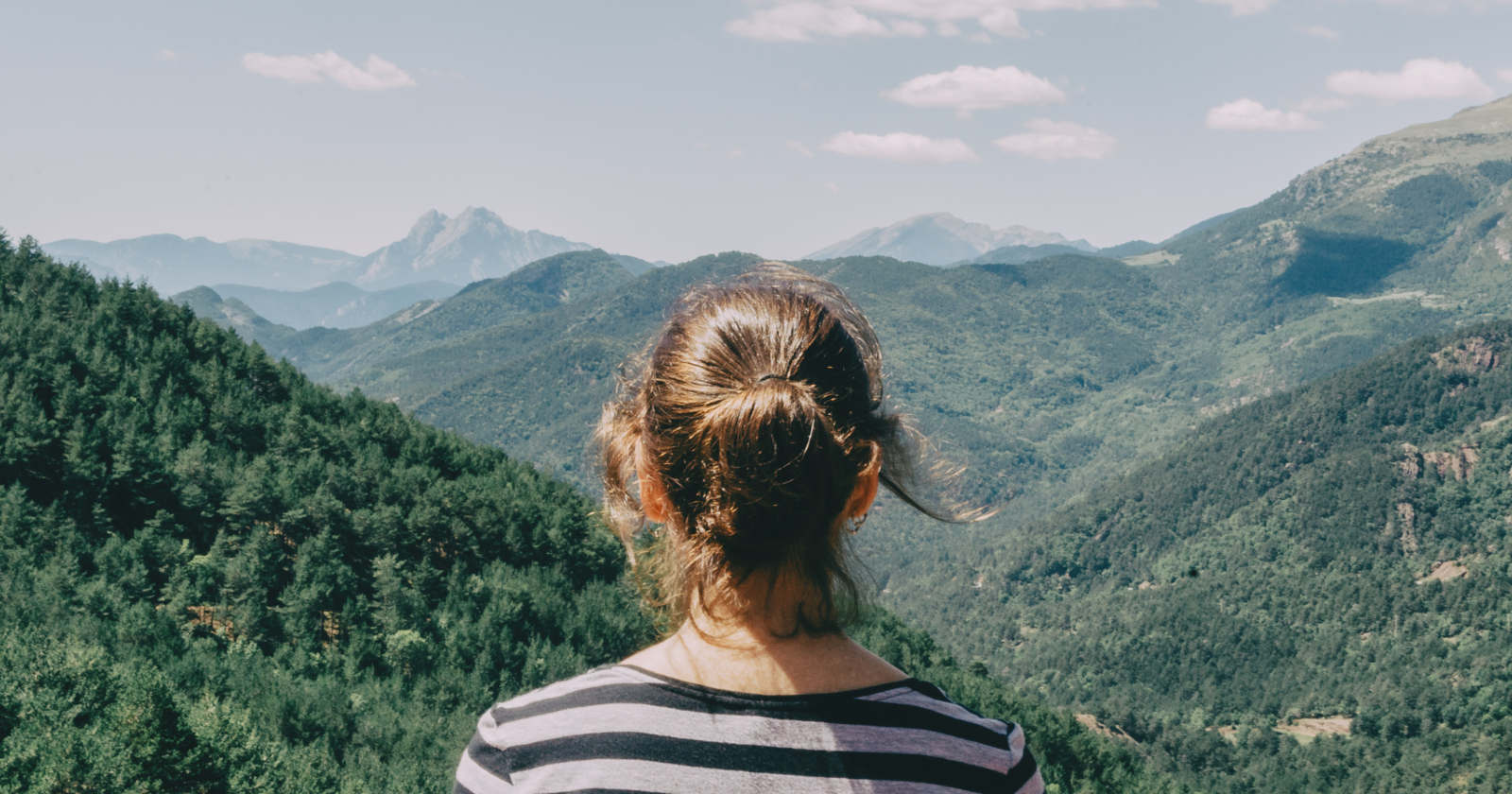
That something can be physical, like a night sky or a mountain, but it does not have to be. Art, music, a kind act, or a piece of technology can trigger it too. A warm bath relaxes you; awe changes your sense of your own size.
The awe walk, and the compassion result
That effect shows up in another small but careful experiment. In a 2020 study published in Emotion, Virginia Sturm and colleagues at UC San Francisco had 52 older adults take a weekly 15-minute walk for eight weeks. One group was simply asked to walk. The other was asked to look for awe along the way, to move with fresh eyes and let themselves be moved by anything vast or unexpected.
The awe-walk group felt more compassion and gratitude, and less daily distress, than the other group. Sturm keeps her takeaway modest: paying attention to small details, she says, “can promote compassion and gratitude.” With only 52 people, this is a promising result, not a settled one.
Why something this simple might work
The proposed explanation has a name that sounds almost too neat. Sturm points to what she calls the “small self”, which she describes as “a healthy sense of proportion between your own self and the bigger picture of the world around you.”
The idea is that awe pulls attention outward, away from the self-focused loop where worry tends to live.
Related work by Paul Piff and Keltner, across five studies, found that prompting awe made people feel less important in their own eyes and nudged them toward more generous behaviour. This remains a working idea about what awe does, not a proven mechanism.
How low the bar actually is
What stands out in the awe-walk study is how little it asked of people. Participants needed nothing beyond a familiar street and fifteen minutes, and the same fresh-eyes instruction that shifted the walkers’ mood could work anywhere.
Keltner argues the payoff can be real, that experiencing awe “can contribute to a host of benefits including an expanded sense of time and enhanced feelings of generosity, well-being and humility.”
Sturm puts it plainly. Experiencing awe, she says, “is such a simple practice – just taking a moment to look out the window or pausing to consider the technological marvels that surround us.”
What the research supports is narrow and honest. On days people feel more awe, they tend to report less stress. Older adults who went looking for it on short walks reported more compassion. These are modest findings from a young field, and the researchers themselves say more work is needed across different groups and cultures.
Even so, the practice is free and, most days, close at hand.
If stress is sitting heavily and not lifting, a qualified counsellor or therapist is worth talking to; a fifteen-minute walk is not a substitute for that.