

The signs a person wants to distance themselves from you are far harder to read…
Your vigilance for rejection signals actually makes you worse at detecting them—and more likely to trigger the distance you're trying to prevent.

The human behaviour behind the work. Decision-making, attention, identity, performance, and the everyday observations that explain how people live and work inside the technology economy.
856 articles · Mind
Your vigilance for rejection signals actually makes you worse at detecting them—and more likely to trigger the distance you're trying to prevent.

The habit isn't a sign of anxiety—it's a feature of minds primed to notice what others miss, rewiring how you trust yourself and others.

The most attractive quality has nothing to do with wit, success, or even likeability—it's the rare permission you feel to be yourself.

No article can diagnose the cause. Persistent loss of interest can occur with depression and other mental or physical conditions; seek help when it is heavy, lasting or darkening.

We're terrible at knowing when to stop talking, but the real problem isn't verbosity—it's mistaking efficiency for connection.

Positive affect changed how doctors reasoned through one simulated case, while optimism predicted sales and retention. The familiar 19% claim requires a careful correction.
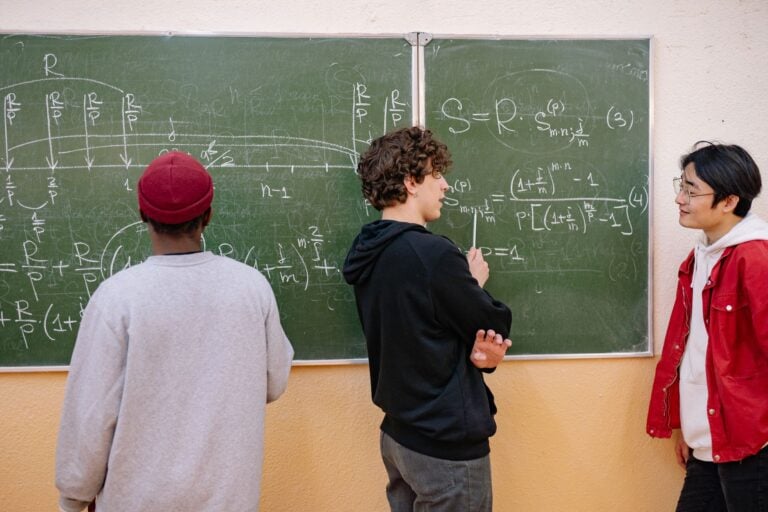
Creativity-related measures explained additional NAPLAN score variation beyond GPA and personality, but the one-school observational study does not establish that creativity caused better results.
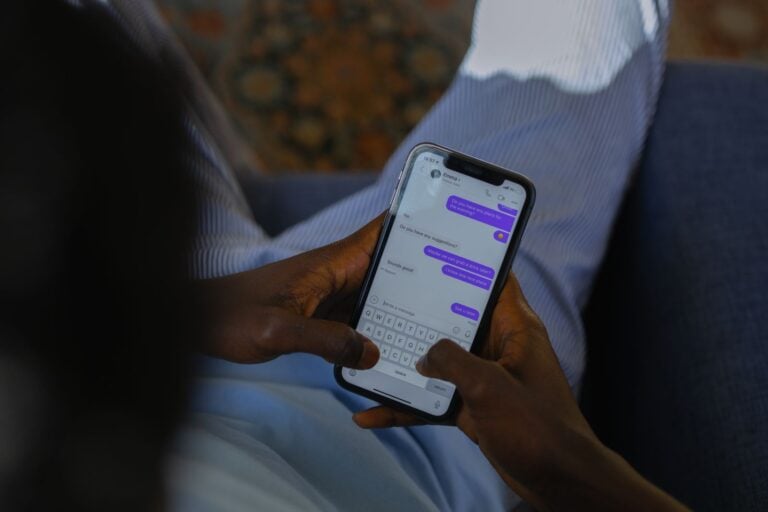
Rehearsing a short text five times isn't really about typos. It's about trying to control how you'll be read by someone who will glance at the message once, on a bus, and form a mild impression regardless.

Calmness can be performed. The absence of an explanation cannot. What real inner work looks like in later life, and why it gets mistaken for something else.

The chameleon effect describes automatic behavioural matching. Experiments have linked subtle mimicry to liking, trust and persuasion, but the effects depend strongly on context.

Empathy's most popular trick—imagining yourself in someone else's shoes—backfired spectacularly in 25 studies; simply asking them what they thought worked far better.

How close you let someone get has less to do with your past than with the person standing in front of you right now.