

Sea otters use rocks and other tools to open prey, and frequent tool use can help…
Tool use varies among sea otters. A study of 196 animals found benefits for accessing hard prey and reducing tooth damage.

The human behaviour behind the work. Decision-making, attention, identity, performance, and the everyday observations that explain how people live and work inside the technology economy.
856 articles · Mind
Tool use varies among sea otters. A study of 196 animals found benefits for accessing hard prey and reducing tooth damage.
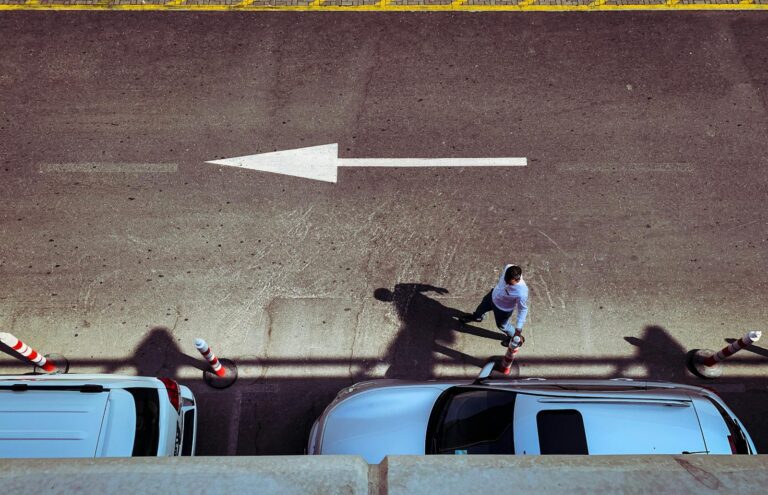
The colleague who holds it together during a layoff and only cries in the parking lot isn't displaying professionalism — they're running a learned protocol about when grief is affordable. The protocol was almost certainly written in childhood, and the workplace just gave it a new venue.
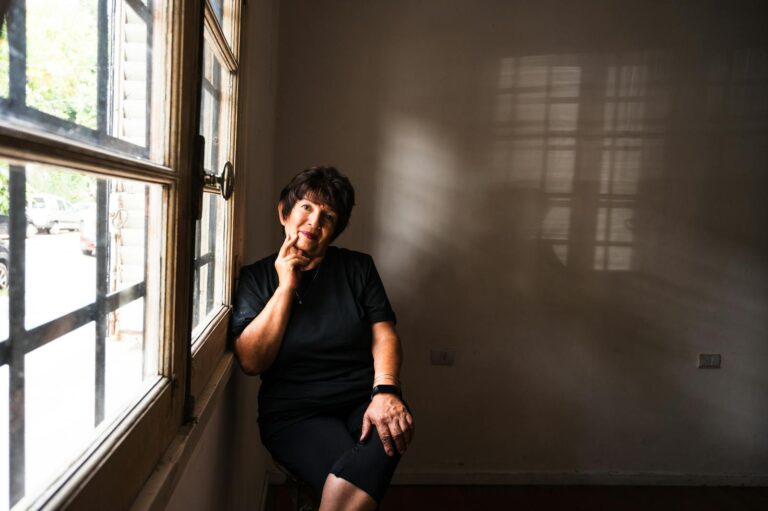
The label 'private person' often hides something less flattering and more workable — a thirty-year habit of deflection that calcified into an identity. What aging research, defense mechanism theory and recent studies on isolation actually say about the gap between privacy and being unpracticed at real conversation.
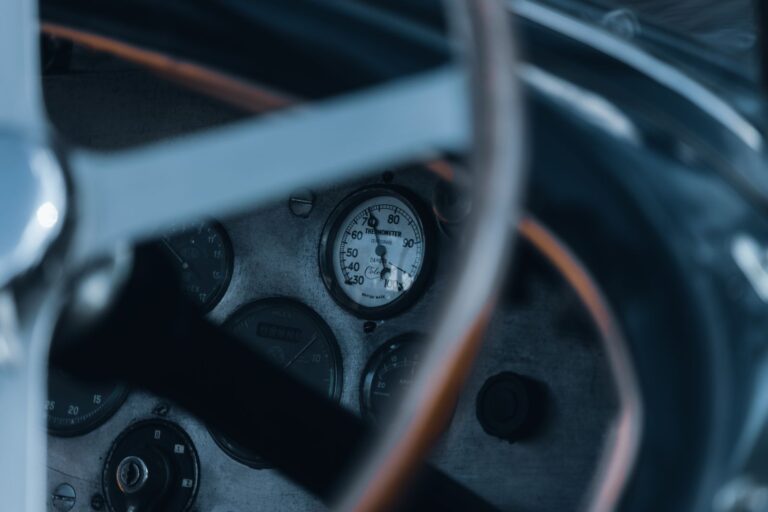
The adult who keeps the thermostat lower than everyone around them prefers is often running a calculation that started in a childhood kitchen, where the heating bill arrived monthly and warmth came with an argument attached. The body remembers what comfort was allowed to cost.

The people who seem unbothered by criticism are easy to misread.
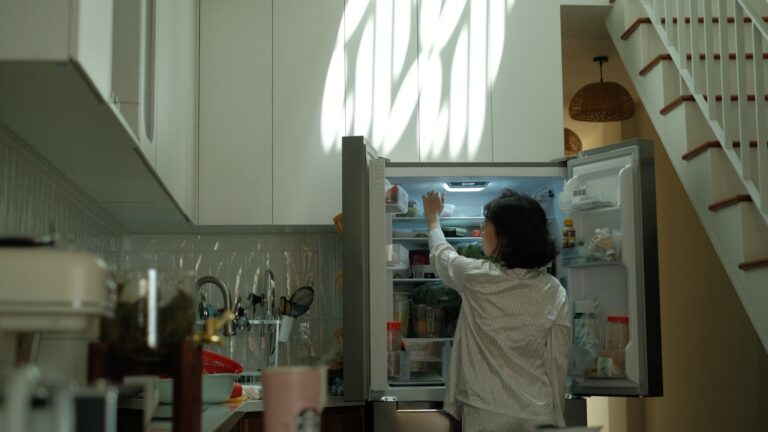
An empty fridge is often read as minimalism, but for adults raised in households where food was rationed, counted, or used as leverage, the bare shelves are a nervous-system strategy — reducing the evidence in a room that used to be inspected.
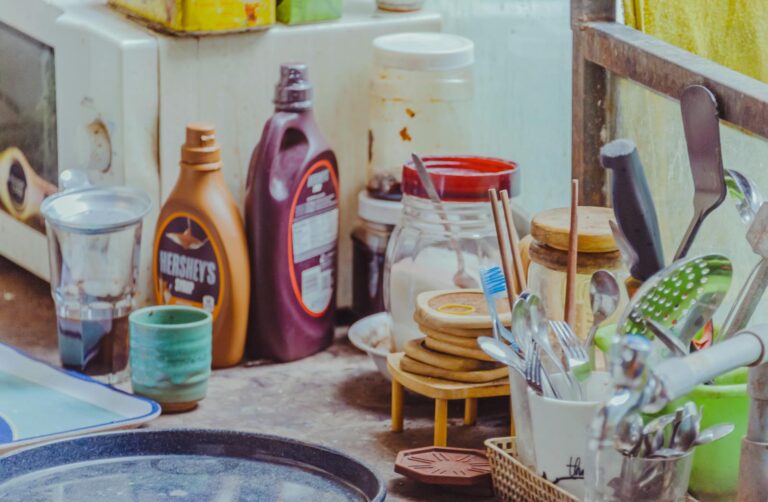
The spotless kitchen and the chaotic car aren't a contradiction, they're a childhood rule still running: public-facing rooms get inspected and private ones get whatever energy is left.

The split between a tidy desk and a chaotic inbox isn't a personality flaw, it's a predictable response to which surfaces have an audience and which ones don't.
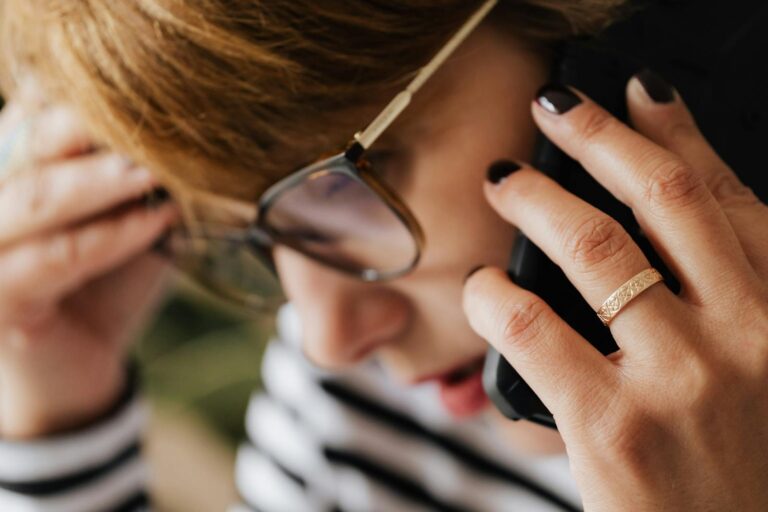
A face-down phone can signal courtesy or reduce a visual cue. It does not reveal trauma, chronic stress, or a learned threat response by itself.

Somewhere in a New York office, in the spring of 1925, a man sat down at his desk to write, then strapped a wooden helmet over his head before he started.

There was a Monday in Dublin, sometime in my early twenties, when I watched a senior colleague walk back from a meeting and thought, very clearly, that I did not want his Monday Nothing was wrong with him.
In a 2000 study by Gilovich, Medvec, and Savitsky, published in the Journal of Personality and Social Psychology , participants were asked to put on a T-shirt featuring a potentially embarrassing image and walk into a room full of other people.