

I asked 5 of my friends what they’d say at my funeral and then I sat quietly in my…
The kitchen was quiet in that particular Wednesday-morning way, after the school run, after the coffee had been made and forgotten and reheated.

The human behaviour behind the work. Decision-making, attention, identity, performance, and the everyday observations that explain how people live and work inside the technology economy.
856 articles · Mind
The kitchen was quiet in that particular Wednesday-morning way, after the school run, after the coffee had been made and forgotten and reheated.

For ninety days I stopped reaching out to my closest friends, and what came back wasn't anger or hurt feelings, it was the quiet arithmetic of who I'd actually been to them all along.
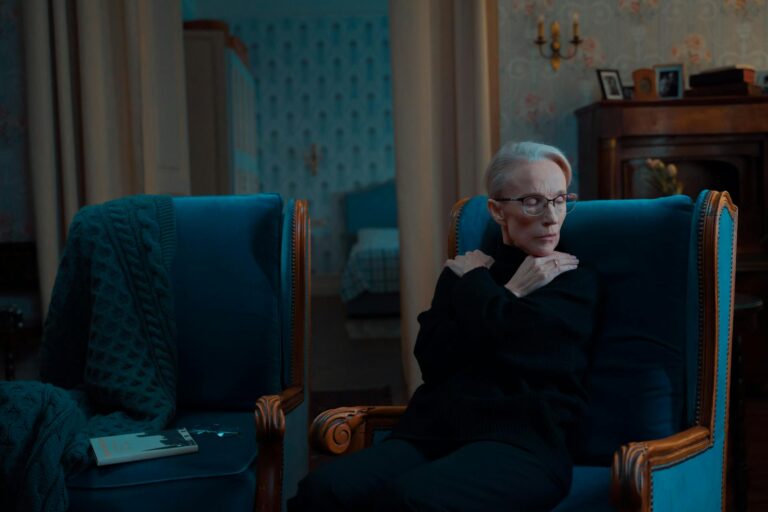
The loneliness that hurts most isn't the empty house — it's the one waiting for you in the room where everyone thinks they already know who you are.

I had a friend in New York, years ago, who was certain about everything.

Hyper-organised paper-keepers are usually misread as anxious or controlling. The truth is quieter: they watched an adult get cornered by paperwork once, and the folder is the version of safety a child could build with their own hands.

I kept declining invitations I actually wanted to accept. Then I noticed the reflex was protecting me from a deal nobody was offering — a contract I'd signed in childhood that had quietly expired without my body being told.
Silence inside a family is not the absence of information.

After a decade of defaulting to the word 'tired,' I realised it was never the truth — just the version of the truth nobody would follow up on. On emotional labour, the cost of vague vocabulary, and the word I was actually looking for.

The most successful people under pressure have discovered what psychology confirms: knowing exactly when to stop pushing isn't weakness — it's the sophisticated system that separates those who burn out from those who sustain peak performance for decades.
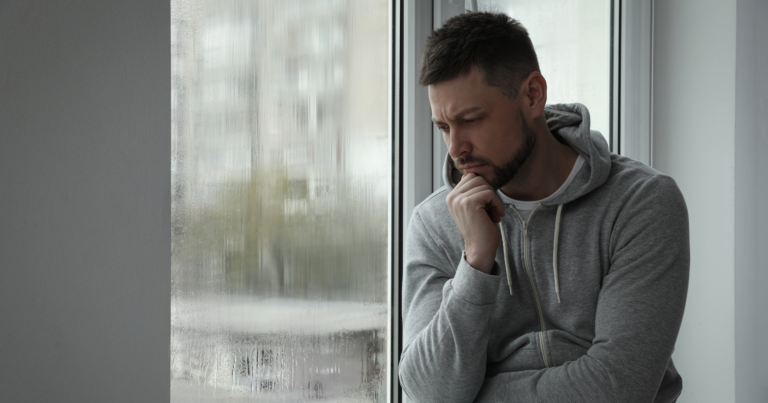
Despite decades of studying psychology and mindfulness, nothing prepared me for moments when people reach for a hug and my body's first instinct is to freeze—not from lack of love, but because at 37, I'm still learning the language of physical affection that most people master in childhood.

The day I realized I'd become so good at managing everyone else's emotions that I'd completely forgotten how to feel my own was the day everything started to change.
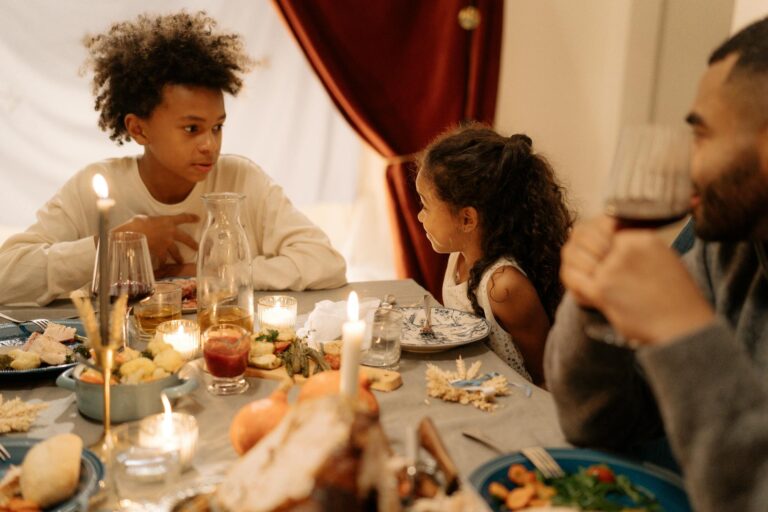
The deepest loneliness isn't living alone — it's sitting at a family dinner where everyone loves you and nobody knows you anymore.