
Why people become harder to be around with age: psychology points to lost…
There is a persistent and underexplored pattern in aging: people who become unpleasant to be around in later life rarely develop new character flaws.

The human behaviour behind the work. Decision-making, attention, identity, performance, and the everyday observations that explain how people live and work inside the technology economy.
856 articles · Mind
There is a persistent and underexplored pattern in aging: people who become unpleasant to be around in later life rarely develop new character flaws.
Time reallocation, dyadic withdrawal and changing support needs can weaken friendships after a romantic relationship begins, but no single explanation fits every friendship.
Some people remember every birthday, ask about weekend plans, and always offer help when colleagues are overwhelmed.

When someone sees through all your carefully constructed facades and somehow makes you feel more real than you've felt in months, you've stumbled upon something rarer than charisma or charm—you've found someone who reminds you that the person you've been trying so hard to be was never as interesting as the one you actually are.

The moment you grab your phone upon waking, you're unknowingly rewiring your brain into a state of perpetual reactivity that follows you throughout the entire day—and the true cost goes far deeper than just feeling stressed.

While we obsess over making perfect choices, psychology reveals that true wisdom lies in mastering the art of carrying our irreversible decisions—the ones that haunt us at 3 AM—without letting them poison our present moments.

For those who grew up without affection, the real battle isn't learning how to love—it's believing they deserve it when someone finally offers it.

Despite having the perfect resume and checking all of life's boxes, you're haunted by a morning ritual of staring at the mirror and wondering whose life you're actually living.

Research reveals that the happiest elderly people aren't positive thinkers at all—they've mastered a counterintuitive approach to life that most of us spend decades fighting against.

The quietest person in the room often holds the most power — not because they're shy, but because they've mastered the rare art of making others feel brilliant even while proving them wrong.

We've been sold a very specific version of what it means to be a strong man.
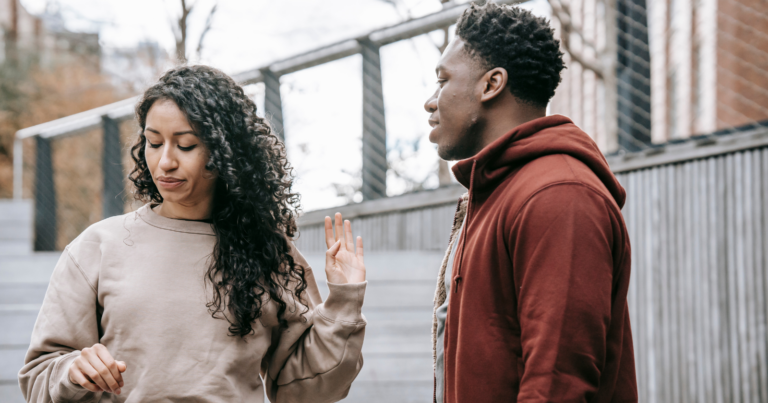
That sinking feeling in your stomach when you finally stand up to someone who's been treating you poorly isn't weakness—it's the echo of a childhood where keeping others happy mattered more than keeping yourself safe.