

Psychology says people who can’t throw out the crooked shelf they built themselves…
We keep our crooked, wobbly creations not out of sentiment but because we literally value them more once our own hands have built them.

Relationships, identity and social behaviour, including how institutions and technologies reshape the way people live together.
625 articles · Relationships & Society
We keep our crooked, wobbly creations not out of sentiment but because we literally value them more once our own hands have built them.

A generation living alone is reshaping travel not as Instagram fodder but as a genuine search for autonomy and self-understanding.

Mattering helps explain why losing a role can feel like losing direction: belonging is not always enough when a person no longer feels noticed, valued or consequential.

The path to being truly indispensable isn't making yourself needed—it's being authentically yourself.

Your vigilance for rejection signals actually makes you worse at detecting them—and more likely to trigger the distance you're trying to prevent.

The habit isn't a sign of anxiety—it's a feature of minds primed to notice what others miss, rewiring how you trust yourself and others.

The most attractive quality has nothing to do with wit, success, or even likeability—it's the rare permission you feel to be yourself.

No article can diagnose the cause. Persistent loss of interest can occur with depression and other mental or physical conditions; seek help when it is heavy, lasting or darkening.

We're terrible at knowing when to stop talking, but the real problem isn't verbosity—it's mistaking efficiency for connection.

Positive affect changed how doctors reasoned through one simulated case, while optimism predicted sales and retention. The familiar 19% claim requires a careful correction.
Creativity-related measures explained additional NAPLAN score variation beyond GPA and personality, but the one-school observational study does not establish that creativity caused better results.
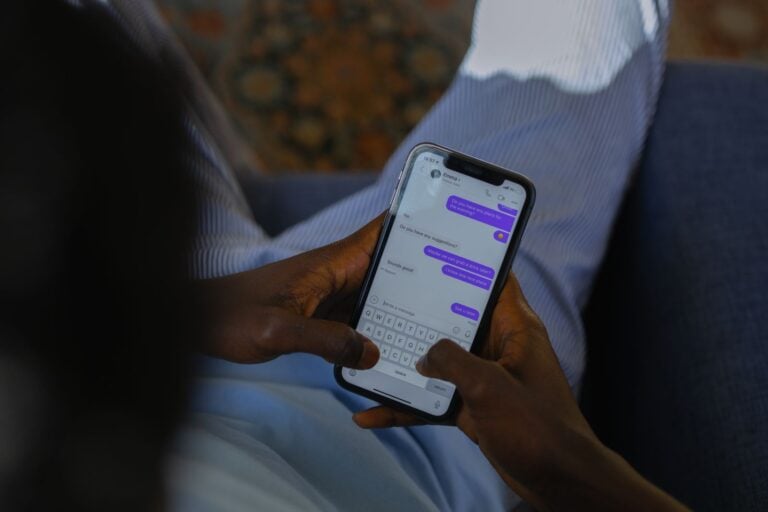
Rehearsing a short text five times isn't really about typos. It's about trying to control how you'll be read by someone who will glance at the message once, on a bus, and form a mild impression regardless.