

The 5am morning routine gets sold as the habit that separates successful people…
Your chronotype might matter more than your willpower—new genetic research suggests the early-bird advantage is largely inherited, not earned.

Relationships, identity and social behaviour, including how institutions and technologies reshape the way people live together.
625 articles · Relationships & Society
Your chronotype might matter more than your willpower—new genetic research suggests the early-bird advantage is largely inherited, not earned.

The care you give becomes a cage: the more you show up for others, the less they can imagine you falling apart.

The science of predicting relationship success just hit a wall: even with thousands of couples and mountains of data, the strongest predictors barely move the needle.
The most giving people often end up isolated not because others are ungrateful, but because their relentless availability teaches everyone around them that help isn't needed.

We consistently underestimate how much people like us when we first meet them, a miscalculation that can linger for months and reshape how we relate to one another.

We're terrified of depth with strangers, so we hide behind pleasantries—but new research suggests that fear costs us far more than awkwardness.

The mere presence of a phone—even untouched—degrades the quality of human connection in ways we don't consciously register.

The quirks people roll their eyes at—fidgeting, swearing, endless doodling—might be markers of a sharper mind than conventional wisdom suggests.

The viral narrative of older women dating younger men masks a stubborn reality: these marriages remain rare and are actually declining, not surging.

The willpower to delay gratification may matter far more to academic success than raw intelligence—a finding that upends decades of assumptions about what predicts achievement.

Boomers and millennials may differ in norms of emotional expression despite overlapping values, but researchers have not established a single generational emotional dialect.
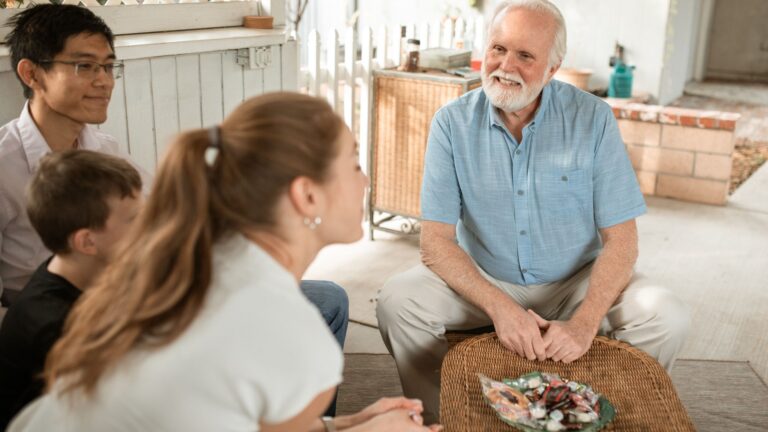
What transforms a man's capacity for gentleness isn't softening—it's abandoning the exhausting performance of dominance.