

When researchers followed patients recovering from spinal surgery, the ones whose…
A hospital window facing the wrong direction can cost patients hundreds of dollars in extra painkillers—and days of needless suffering.

Relationships, identity and social behaviour, including how institutions and technologies reshape the way people live together.
625 articles · Relationships & Society
A hospital window facing the wrong direction can cost patients hundreds of dollars in extra painkillers—and days of needless suffering.
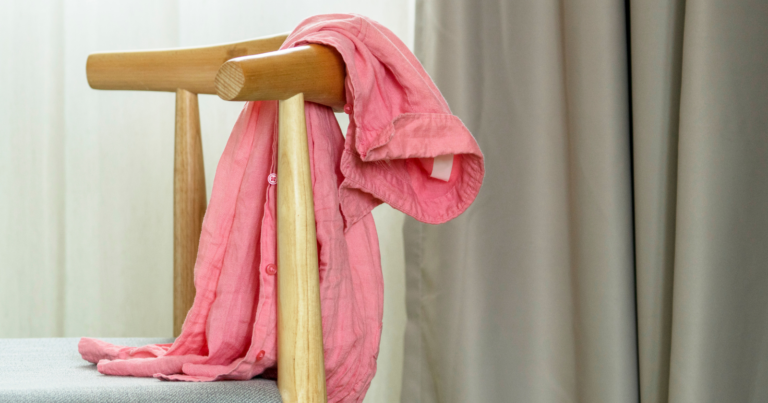
The bedroom chair covered in clothes isn't a sign of messiness — it's a working solution to a category problem household organisation systems have never solved: the clothes that are neither clean enough to put away nor dirty enough to wash.

The kindest people often build lives where they're indispensable to everyone but dispensable to no one.

The ability to abandon a book, a plan, or an obligation that no longer earns its keep isn't a lapse in character. It's a recalibration of what the remaining hours are actually for, and the psychology behind it is clearer than the culture lets on.

The link between a diploma and lifetime earnings is undeniable, but whether school actually teaches you to succeed—or simply proves you always could—remains economics' most consequential unsettled question.
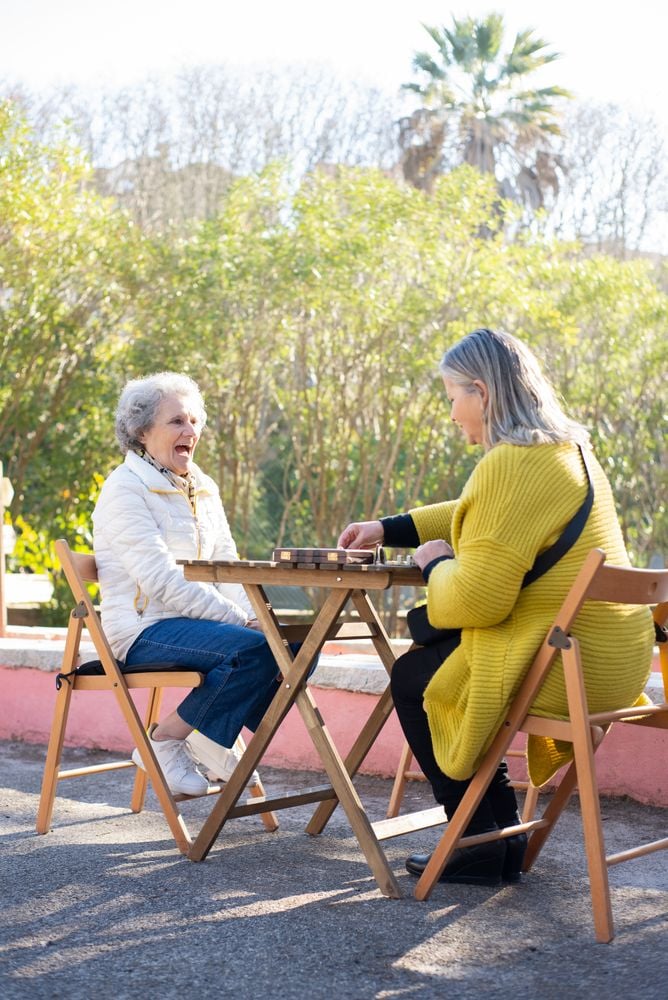
What keeps a mind sharp into old age may matter less than who keeps you sharp.

A viral claim about emotionally intelligent women links two separate research fields that were never actually studied together.

Most people claim credit for their wins and blame circumstance for their losses—the real skill is finding the narrow sliver of what you actually controlled.

Winners don't resist temptation better—they simply avoid encountering it in the first place.

A subtle grammar shift—using your name instead of "I"—turns out to be more powerful than any positive mantra.

What makes solitude restorative has nothing to do with whether you're an introvert—and everything to do with whether you feel in control of your own time.

Some adults solve every problem alone. Research on help-seeking suggests that the pattern may protect competence while keeping disappointment and closeness out of view.