

Why going very still during conflict does not always mean someone is calm
When someone goes eerily still during conflict, it's not composure—it's a nervous system in lockdown, reverting to a survival strategy learned long ago.

Relationships, identity and social behaviour, including how institutions and technologies reshape the way people live together.
625 articles · Relationships & Society
When someone goes eerily still during conflict, it's not composure—it's a nervous system in lockdown, reverting to a survival strategy learned long ago.

Attachment research from Purdue's Susan South and others keeps finding the same quiet pattern: the parents and partners we stay closest to are not the ones who audit our lives or demand constant updates, but the ones who made contact so low-friction we could show up unpolished, tired, and without news to report.

Early arrivers get misdiagnosed as anxious. The psychology suggests something different: they've found a loophole in the day where the appointment protects them from everyone else's demands, and its own demand hasn't started yet.

Grief researchers find the sharpest pain of a breakup is often not missing the person but losing the role — the fixer, the calm one — that only existed in relation to them.
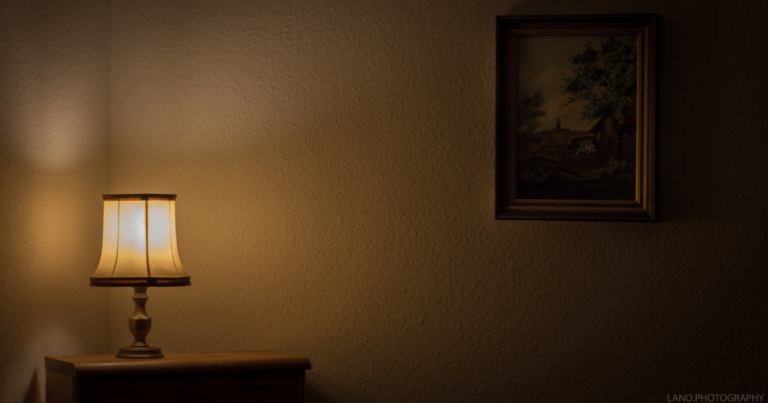
For some adults, the lamp left burning in the hallway isn't about fear of the dark — it's a signal inherited from a childhood where a lit window meant a parent was still out there, still on their way back.

I've been apartment hunting since April.

The decision to leave a relationship gets made in the prefrontal cortex, but the routines built around another person live in the striatum — and those circuits keep firing on cue for weeks after the person is gone.

There is the pain a person lives through, and then there is the pain their memory files away for later.

Researchers tracked 105 people six times a day for a week. About two-thirds of what they did was triggered by habit, and nearly nine in ten actions were carried out on autopilot. The surprise wasn't the size of the autopilot — it was how often the automatic thing and the intended thing turned out to be the same.

The 'doorway effect' says crossing a threshold makes you forget, because the brain files experience into events and a boundary closes one off. It's a real finding, though a 2021 replication suggests it is smaller and more load-dependent than the popular version.
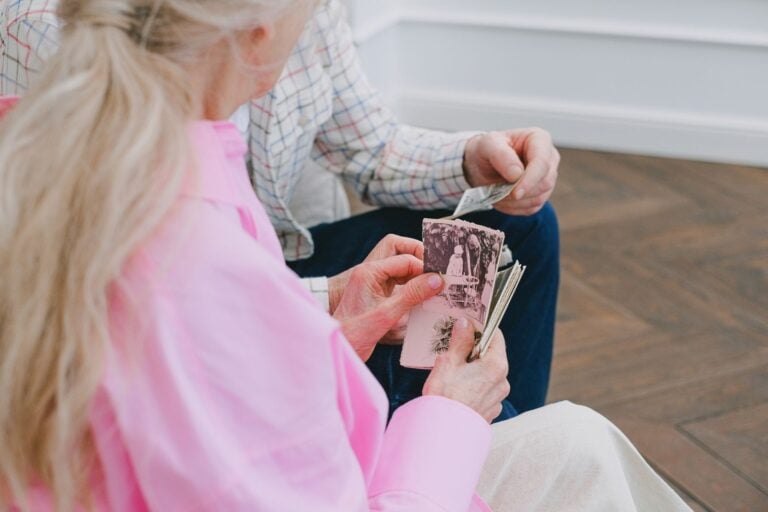
Long marriages ask something almost no one warns you about: the quiet grief of watching your partner slowly become someone only you remember the earlier version of. The couples who survive it don't refuse to notice the change — they metabolise it out loud.

There's a particular worry I keep running into from people in their forties and fifties who are on their own.