

Psychology suggests we don’t reason toward truth so much as defend what we already…
In 1998, a Tufts psychologist named Raymond Nickerson published a long review article pulling together decades of scattered experiments under one heading.

Relationships, identity and social behaviour, including how institutions and technologies reshape the way people live together.
625 articles · Relationships & Society
In 1998, a Tufts psychologist named Raymond Nickerson published a long review article pulling together decades of scattered experiments under one heading.

Picture a memory you are sure of.

What follows is reading and reflection on published psychology research, not advice.

Give someone five compliments and one insult in the same afternoon, and the insult is what they carry home.

We're sold a story about identity that runs like a detective film.

Last week I watched a bloke in a near-empty café stand up, sling his bag over one shoulder, and then, before he walked out, quietly slide his chair back under the table.

In 1996, Cornell psychologist Thomas Gilovich sent students into a room wearing a Barry Manilow T-shirt and measured a gap that would reshape how psychologists think about self-consciousness: wearers guessed 46 per cent of observers noticed the shirt. The real number was 23 per cent.

A physical book makes a narrow promise.

There is a particular kind of desk that looks as if it belongs to two eras at once.

Stand like a superhero for two minutes before a job interview, and your body chemistry shifts to make you braver.

There is an oddly revealing moment in modern life: someone needs to remember something, reaches past the phone already in their hand, and looks for a pen.
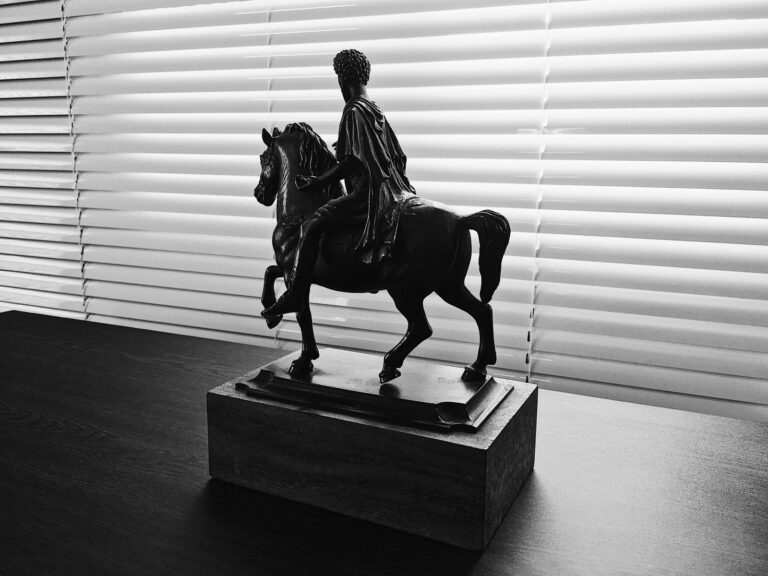
Marcus Aurelius wrote one of his clearest warnings about ambition in the fourth book of the notes now called Meditations.