
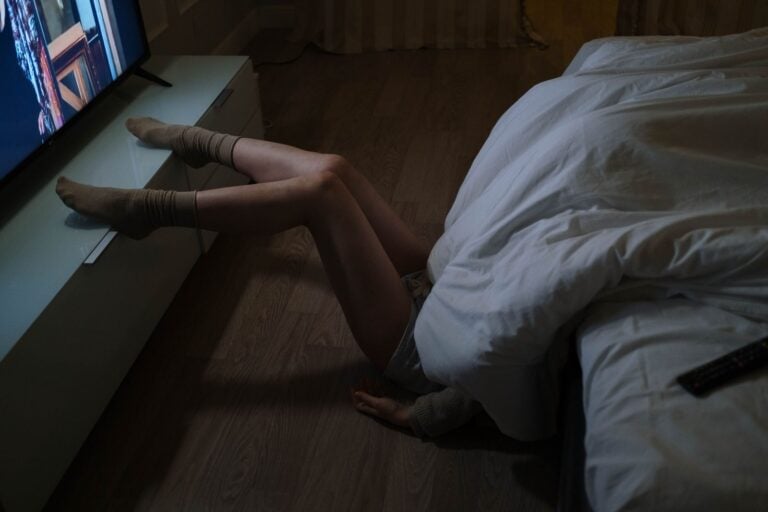
Why some people use television as a sleep aid, and what the evidence actually…
Television is a common sleep aid, but research does not show that the habit reveals a particular childhood history or means the nervous system reads silence as danger.

Relationships, identity and social behaviour, including how institutions and technologies reshape the way people live together.
625 articles · Relationships & Society
Television is a common sleep aid, but research does not show that the habit reveals a particular childhood history or means the nervous system reads silence as danger.
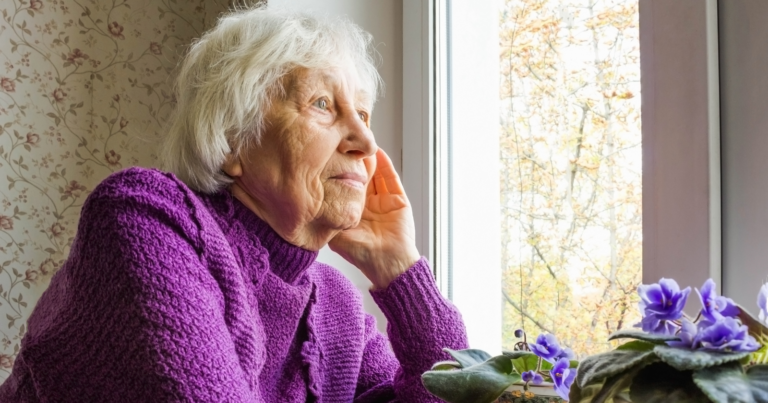
A Silicon Canals Mind piece on the behavioural lessons many people practised in the 1960s and 1970s, from waiting and repair to attention, privacy, and local obligation.

Acevedo, Aron, Fisher, and Brown's fMRI study suggests that, for some long-term couples, romantic reward can persist alongside attachment and lower obsession.

A 50-year personality study by Damian, Spengler, Sutu, and Roberts suggests that many people show measurable maturation from adolescence into later adulthood.

Consider two people at the end of a difficult meeting.

Blue-space research suggests that water settings may support mood and attention, but the evidence is best read carefully rather than as a universal cure.
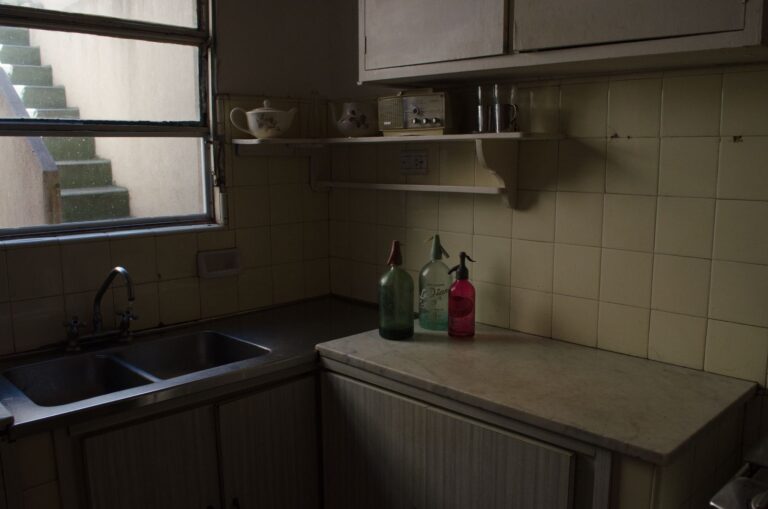
For many adults, the radio playing softly in an empty kitchen isn't about company at all. It's a quiet act of nervous system maintenance, rooted in a childhood where background sound meant the house was still safe.

The real ache of long marriage isn't dullness but the quiet mourning for a partner you can now predict completely — and the version of them you'll never get to meet as a stranger again.

The full-name phone greeting looks like stiffness to anyone under forty. It's actually a fossil from the era of the shared household phone, when announcing yourself was a small courtesy to whoever else might be listening in the kitchen.

The compulsive offer to drive often has less to do with generosity than with an old, quiet conviction that being useful is the safest way to be welcome. A look at the attachment patterns behind chronic helping.

A woman in her late eighties once said it like this, almost as an aside: "There's no one left who remembers me as a girl." She had outlived two husbands, a sister, the neighbours from the street she grew up on.

People look for a tell.